
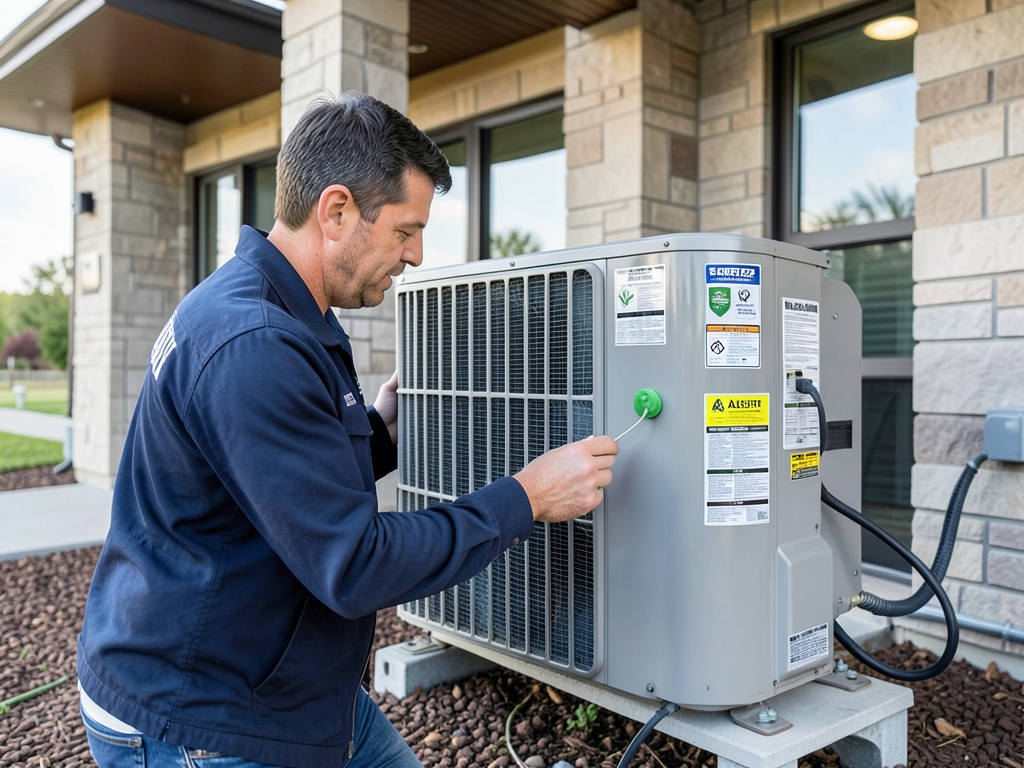
In 2023 the Department of Energy mandated a shift from SEER to SEER2 for all new HVAC equipment. For Austin homeowners this change matters because the new testing method better reflects real-world performance in hot humid climates. SEER2 ratings are typically 0.5 to 1 point lower than the old SEER numbers yet they measure efficiency under higher static pressure conditions that match the strain your AC unit faces during a Texas summer. That means the rating you see today more accurately predicts how much electricity your system will actually use when outdoor temperatures climb above 100 degrees. Department of Energy SEER2 information.
How SEER2 ratings directly impact your Austin energy bill
The math is straightforward. Your AC unit’s cooling capacity is measured in British Thermal Units per hour. Divide that number by the SEER2 rating to get the approximate watts consumed per hour. Multiply by the number of hours your system runs each month then by your utility’s kilowatt-hour rate to estimate the monthly cost. In Austin that rate can vary dramatically because Austin Energy uses tiered pricing. Once you exceed 500 kWh in a month the rate jumps from about 11 cents to nearly 14 cents per kWh. A home running a 3-ton AC rated at 14.3 SEER2 instead of 16 SEER2 could see summer cooling costs rise by $30 to $50 per month depending on usage patterns. Austin Energy HVAC rebates.
Central Texas climate factors that affect real-world SEER2 performance
Austin’s climate creates unique challenges for HVAC efficiency. The combination of extreme heat and high humidity means your AC runs longer cycles and works harder to remove moisture from the air. Laboratory SEER2 tests assume moderate humidity and cooler outdoor conditions. In practice a 16 SEER2 unit in Austin may only deliver the efficiency of a 14 SEER2 unit in a milder climate. The region’s 100-degree-plus streaks also increase the temperature differential your system must overcome which reduces effective efficiency below the rated number. Homes in the Blackland Prairie area with expansive clay soil may also experience minor foundation shifts that affect ductwork sealing and further reduce system performance. Emergency Ductwork Repair.
The ROI calculation is a higher SEER2 worth the upfront cost
Higher SEER2 units cost more upfront but the payback depends on your local utility rates and cooling load. For a typical 2,000-square-foot Austin home running an average of 1,500 cooling hours per summer a jump from 14.3 to 18 SEER2 can save about 250 kilowatt-hours per month during peak season. At Austin’s tiered rates that translates to $30 to $45 in monthly savings. Over a five-year period the energy savings can offset the higher equipment cost. Tax credits under the Inflation Reduction Act and Austin Energy rebates for units above 15 SEER2 can shorten the payback window by 12 to 18 months. Local AC Repair and Cooling Experts in South Lamar and Barton Hills.
Available rebates and tax credits for Austin homeowners
Austin Energy offers rebates up to $2,000 for qualifying high-efficiency HVAC installations. Federal tax credits under the Inflation Reduction Act provide up to $600 for qualifying air conditioners and $2,000 for heat pumps. Both programs require the equipment to meet minimum efficiency thresholds and be installed by a licensed contractor. Some local HVAC distributors also offer instant rebates that stack with utility and federal incentives. Combining these programs can reduce the net cost of a high-SEER2 system by 20 to 30 percent making the higher efficiency option more accessible.
Understanding M1 testing and why old SEER ratings no longer apply
The M1 testing standard introduced with SEER2 measures HVAC performance under more realistic installation conditions. Unlike the older SEER test which used low static pressure the M1 test includes higher external static pressure to simulate ductwork resistance and filter loading. This change means a unit rated 16 SEER under the old standard might only score 15 or 14.3 SEER2. For Austin homeowners this shift is important because it accounts for the additional static pressure caused by longer duct runs in two-story homes and the impact of high-efficiency filters that are popular in the region for allergy control.. Read more about What to do if your older Crestview home still uses R-22 refrigerant.
HSPF2 ratings for Austin heat pumps
Heat pumps in Austin also fall under the new HSPF2 standard which measures heating efficiency under the same M1 testing conditions. While Austin winters are mild the occasional freeze event means your heat pump must perform efficiently during cold snaps. A heat pump with HSPF2 above 8.2 will generally cost less to operate than a standard electric furnace even during brief cold periods. Pairing a high HSPF2 heat pump with a high SEER2 cooling rating can provide year-round savings and reduce dependence on supplemental electric resistance heat. Fast and Professional Furnace Repair in Georgetown During the Winter Chill.
Comparing minimum efficiency requirements by region
The Department of Energy sets different minimum efficiency standards by climate region. Austin falls in the South region where the minimum cooling efficiency is now 14.3 SEER2. Northern states have lower minimums because cooling loads are smaller. This regional approach ensures that equipment sold in Texas meets the demands of long hot summers. Homeowners in Austin cannot purchase new equipment below this threshold making it important to compare models above the minimum if you want meaningful energy savings.. Read more about Reliable HVAC Replacement and Cooling Services in Buda and Kyle.
Life-cycle cost analysis for HVAC in Austin
When evaluating HVAC options consider the total cost of ownership over the system’s life. A cheaper 14.3 SEER2 unit may save $500 upfront but could cost $1,500 more in electricity over 15 years compared to an 18 SEER2 model. Factor in potential utility rate increases Austin Energy has proposed rate hikes in recent years and the value of improved comfort from better humidity control. High-efficiency units also tend to have advanced features like variable-speed compressors that reduce temperature swings and noise levels.. Read more about The pros and cons of variable-speed AC units for Cherrywood renovations.
Dehumidification benefits of high SEER2 in Texas humidity
High-SEER2 units often include two-stage or variable-speed compressors that run longer at lower speeds. These longer cycles improve moisture removal by allowing more air contact time with the cooling coil. In Austin’s humid climate this means better indoor comfort at higher thermostat settings. Reducing indoor humidity also helps prevent mold growth and reduces the workload on your AC. The dehumidification benefit is not reflected in the SEER2 number but it can make a high-SEER2 system feel more comfortable even if the temperature is set a degree or two higher.
Common misconceptions about SEER2 ratings
Some homeowners assume that a higher SEER2 rating always means lower utility bills. In reality savings depend on your home’s insulation ductwork condition and how often the system runs. A poorly sealed duct system can waste up to 30 percent of the cooling output regardless of the equipment’s efficiency rating. Another misconception is that SEER2 ratings apply to existing units. They only apply to new equipment manufactured after January 1 2023. If your current system is working well replacing it solely for efficiency may not be cost-effective unless utility incentives are strong.
Steps to maximize your HVAC efficiency in Austin
Improving efficiency starts with your home’s envelope. Seal gaps around windows and doors add attic insulation and consider radiant barriers if your roof gets direct sun. Have your ductwork inspected for leaks and proper insulation. Change air filters monthly during peak season and schedule annual maintenance to keep coils clean and refrigerant levels correct. These steps ensure your high-SEER2 system operates at its rated efficiency and delivers the expected utility savings.. Read more about How to tell if an HVAC maintenance plan is actually worth the money in Onion Creek.
Future trends in HVAC efficiency standards
Efficiency standards continue to evolve. The next update could push minimum SEER2 ratings higher especially as utilities and governments push for carbon reduction. Emerging technologies like inverter-driven compressors and integrated smart controls promise even greater efficiency gains. Austin homeowners who invest in high-SEER2 equipment now may find their systems remain compliant and cost-effective longer as standards tighten.
Frequently Asked Questions
What is the difference between SEER and SEER2?
SEER2 uses the M1 testing standard with higher static pressure to better reflect real-world HVAC performance. Ratings are typically 0.5 to 1 point lower than old SEER numbers but provide a more accurate estimate of energy use in homes.
How much can I save by upgrading to a higher SEER2 unit?
Savings depend on your current unit’s efficiency local utility rates and cooling load. In Austin upgrading from 14.3 to 18 SEER2 can save $30 to $50 per month during peak summer months for a typical home.
Are there rebates available for high-efficiency HVAC in Austin?
Yes Austin Energy offers rebates up to $2,000 for qualifying high-efficiency installations. Federal tax credits under the Inflation Reduction Act provide up to $600 for AC units and $2,000 for heat pumps.
Do SEER2 ratings apply to existing equipment?
No SEER2 ratings only apply to new equipment manufactured after January 1 2023. Existing units retain their original SEER ratings.
Will a higher SEER2 unit cool my home better?
Higher SEER2 units often include features like variable-speed compressors that improve comfort by better controlling humidity and reducing temperature swings. The cooling capacity remains the same but the delivery is more consistent.
Call (737) 316-0777 today to schedule your inspection. Our licensed technicians can evaluate your current system compare SEER2 options and help you qualify for local rebates. Don’t wait until the next heat wave to discover your AC isn’t keeping up. Pick up the phone and call (737) 316-0777 before the next storm hits.
You may also find this helpful. Should you choose a zoned HVAC system or a portable AC for your guest house in Rollingwood?.
You may also find this helpful. Deciding between a traditional AC and a hybrid heat pump in Liberty Hill.
{
“@context”: “https://schema.org”,
“@type”: “BlogPosting”,
“headline”: “What the new SEER2 ratings actually mean for your Austin utility bills”,
“description”: “Learn how SEER2 ratings impact Austin energy bills in 2026. Compare savings, rebates, and ROI for higher-efficiency AC units in Central Texas heat.”,
“wordCount”: 1562,
“datePublished”: “2026-03-05T11:52:00.000Z”,
“dateModified”: “2026-03-05T11:52:00.000Z”,
“inLanguage”: “en-US”,
“mainEntityOfPage”: {
“@type”: “WebPage”,
“@id”: “https://allprohvacaustin.com”
},
“publisher”: {
“@type”: “LocalBusiness”,
“name”: “All Pro HVAC Austin”,
“url”: “https://allprohvacaustin.com”
},
“author”: {
“@type”: “Organization”,
“name”: “All Pro HVAC Austin”,
“url”: “https://allprohvacaustin.com”
},
“image”: {
“@type”: “ImageObject”,
“url”: “https://allprohvacaustin.com/wp-content/uploads/2026/03/what-the-new-seer2-ratings-actually-mean-for-your-1.png”
}
}
{
“@context”: “https://schema.org”,
“@type”: “HVACBusiness”,
“name”: “All Pro HVAC Austin”,
“url”: “https://allprohvacaustin.com”,
“address”: {
“@type”: “PostalAddress”,
“addressLocality”: “Austin”
},
“areaServed”: {
“@type”: “City”,
“name”: “Austin”
}
}
{
“@context”: “https://schema.org”,
“@type”: “FAQPage”,
“mainEntity”: [
{
“@type”: “Question”,
“name”: “What is the difference between SEER and SEER2?”,
“acceptedAnswer”: {
“@type”: “Answer”,
“text”: “SEER2 uses the M1 testing standard with higher static pressure to better reflect real-world HVAC performance. Ratings are typically 0.5 to 1 point lower than old SEER numbers but provide a more accurate estimate of energy use in homes.”
}
},
{
“@type”: “Question”,
“name”: “How much can I save by upgrading to a higher SEER2 unit?”,
“acceptedAnswer”: {
“@type”: “Answer”,
“text”: “Savings depend on your current unit’s efficiency local utility rates and cooling load. In Austin upgrading from 14.3 to 18 SEER2 can save $30 to $50 per month during peak summer months for a typical home.”
}
},
{
“@type”: “Question”,
“name”: “Are there rebates available for high-efficiency HVAC in Austin?”,
“acceptedAnswer”: {
“@type”: “Answer”,
“text”: “Yes Austin Energy offers rebates up to $2,000 for qualifying high-efficiency installations. Federal tax credits under the Inflation Reduction Act provide up to $600 for AC units and $2,000 for heat pumps.”
}
},
{
“@type”: “Question”,
“name”: “Do SEER2 ratings apply to existing equipment?”,
“acceptedAnswer”: {
“@type”: “Answer”,
“text”: “No SEER2 ratings only apply to new equipment manufactured after January 1 2023. Existing units retain their original SEER ratings.”
}
},
{
“@type”: “Question”,
“name”: “Will a higher SEER2 unit cool my home better?”,
“acceptedAnswer”: {
“@type”: “Answer”,
“text”: “Higher SEER2 units often include features like variable-speed compressors that improve comfort by better controlling humidity and reducing temperature swings. The cooling capacity remains the same but the delivery is more consistent.”
}
}
]
}
{
“@context”: “https://schema.org”,
“@type”: “BreadcrumbList”,
“itemListElement”: [
{
“@type”: “ListItem”,
“position”: 1,
“name”: “Home”,
“item”: “https://allprohvacaustin.com”
},
{
“@type”: “ListItem”,
“position”: 2,
“name”: “Blog”,
“item”: “https://allprohvacaustin.com/blog”
},
{
“@type”: “ListItem”,
“position”: 3,
“name”: “What the new SEER2 ratings actually mean for your Austin utility bills”
}
]
}
{
“@context”: “https://schema.org”,
“@type”: “Service”,
“serviceType”: “HVAC”,
“provider”: {
“@type”: “LocalBusiness”,
“name”: “All Pro HVAC Austin”,
“url”: “https://allprohvacaustin.com”
},
“areaServed”: {
“@type”: “City”,
“name”: “Austin”
},
“description”: “Learn how SEER2 ratings impact Austin energy bills in 2026. Compare savings, rebates, and ROI for higher-efficiency AC units in Central Texas heat.”
}