
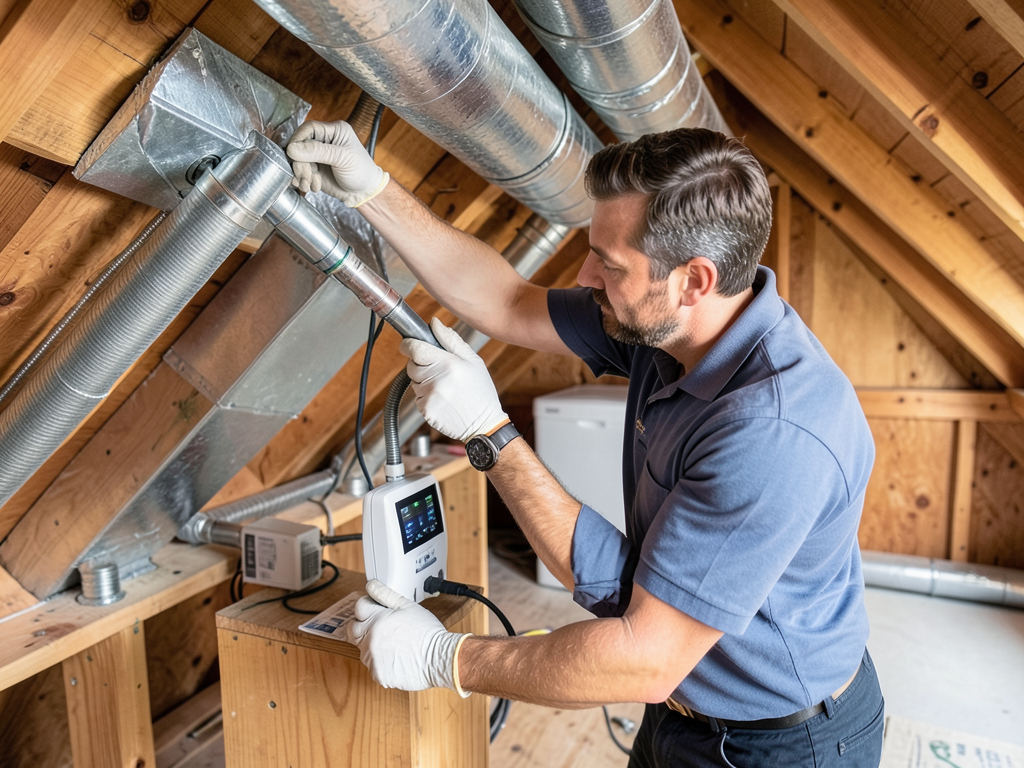
Should you choose a zoned HVAC system or a portable AC for your guest house in Rollingwood?
When Austin hits 100 degrees and your guest house becomes an oven, you need cooling that works. Rollingwood’s mature trees and hilltop homes create unique cooling challenges that make this decision critical for comfort and energy costs. Austin Energy rebates.
Portable AC units promise quick relief but often fail during Texas heat waves. Zoned HVAC systems cost more upfront but deliver consistent comfort when your guests need it most. The right choice depends on your home’s layout, how often you use the space, and what you’re willing to invest.
Understanding zoned HVAC systems in Central Texas
Zoned HVAC divides your home into separate temperature areas using dampers in ductwork and multiple thermostats. Each zone operates independently, allowing different temperatures throughout your property. Emergency Ductwork Repair.
For Rollingwood homes, this means you can keep your main house at 75 degrees while maintaining 72 degrees in a west-facing guest house that bakes in afternoon sun. The system uses motorized dampers that open and close based on each zone’s thermostat settings.. Read more about Why moving your thermostat could fix the hot spots in your Zilker home.
Modern zoned systems integrate with smart thermostats like Nest or Ecobee, letting you control temperatures remotely through your phone. This proves invaluable when guests arrive unexpectedly or you want to pre-cool before a gathering. Modern HVAC Solutions for Historic Homes in Tarrytown and Old West Austin.
The technology shines in homes with varying sun exposure. Rollingwood’s hillside properties often have sections facing different directions, creating hot spots that single-thermostat systems cannot address effectively.
Installation requires professional assessment of your existing ductwork or determination if a ductless mini-split system better suits your needs. The latter eliminates duct losses and works perfectly for guest houses without existing duct infrastructure. Fast and Professional Furnace Repair in Georgetown During the Winter Chill.
The truth about portable AC units for Austin summers
Portable air conditioners seem like the obvious solution. They cost hundreds instead of thousands and install in minutes by rolling them to an outlet.
However, Austin’s 100-degree days expose portable AC limitations quickly. These units struggle when outdoor temperatures exceed their rated capacity, which happens frequently during July and August heat waves.
The exhaust hose creates another problem. It must vent through a window or wall, creating a gap where hot air seeps back in. This thermal break reduces efficiency by 15-30 percent compared to window units.
Rollingwood’s high humidity compounds portable AC issues. These units remove less moisture than central systems, leaving guest houses feeling clammy despite cooler temperatures. The excess humidity promotes mold growth in enclosed spaces.
Noise presents another consideration. Portable units operate at 50-60 decibels, comparable to normal conversation. This level disrupts sleep and makes video calls difficult in home office setups.
Maintenance requirements increase with portable units. You must empty condensate tanks every few hours during peak humidity, or they shut down automatically. The filters need cleaning every two weeks to maintain efficiency.
Direct comparison: energy efficiency and comfort performance
Energy consumption reveals the biggest difference between these cooling options. Portable AC units typically use 900-1500 watts per hour, while zoned systems operate at 1000-3000 watts but cool larger areas more efficiently.
SEER2 ratings explain efficiency differences clearly. Modern zoned systems achieve 16-22 SEER2 ratings, while portable units lack standardized efficiency measurements. This translates to higher electricity bills during Austin’s long cooling season. SEER2 efficiency ratings.
Comfort levels vary dramatically. Zoned systems maintain consistent temperatures within one degree of the setpoint. Portable units fluctuate by 5-10 degrees as outdoor temperatures rise, creating uncomfortable temperature swings.
Humidity control separates these systems fundamentally. Zoned HVAC with proper dehumidification keeps indoor humidity between 45-55 percent. Portable units often struggle to drop below 60 percent, leaving spaces feeling sticky and uncomfortable.
Noise levels impact guest experience significantly. Zoned systems operate at 40-50 decibels when running, barely noticeable in background. Portable units generate 50-60 decibels, comparable to a normal conversation or light traffic.
Lifespan expectations differ substantially. Quality zoned systems last 15-20 years with proper maintenance. Portable units typically survive 3-5 years before compressor failure or refrigerant leaks require replacement.
Comparison Table: Zoned HVAC vs Portable AC
| Feature | Zoned HVAC | Portable AC |
|---|---|---|
| Initial Cost | $3,500-$8,000 | $300-$800 |
| Lifespan | 15-20 years | 3-5 years |
| Energy Efficiency | 16-22 SEER2 | Unrated |
| Noise Level | 40-50 dB | 50-60 dB |
| Humidity Control | 45-55% | 60%+ often |
| Temperature Stability | ±1 degree | ±5-10 degrees |
Why Austin’s humidity makes this decision critical
Central Texas humidity transforms cooling from a simple temperature problem into a moisture management challenge. Rollingwood’s location near the Colorado River and Lake Austin creates microclimates with higher humidity than surrounding areas.
Portable AC units handle sensible heat removal well but struggle with latent heat from moisture. They cool air but leave humidity levels high enough to feel uncomfortable and promote mold growth.
Zoned systems with proper dehumidification cycles remove both heat and moisture effectively. Variable-speed compressors run longer at lower speeds, extracting more humidity without overcooling spaces.
The dew point matters more than temperature in Austin. When outdoor dew points exceed 70 degrees, portable units cannot maintain comfortable indoor conditions without constant operation.
Condensate management becomes critical in guest houses. Portable units produce 2-4 gallons of water daily during humid periods. Without proper drainage, this moisture creates water damage and mold risks.
Zoned systems drain condensate through dedicated lines to exterior drains. This prevents water accumulation and the associated damage that occurs when portable units overflow or leak.. Read more about Are smart vents worth the investment for modern Mueller townhomes?.
Indoor air quality suffers with portable units. They lack advanced filtration systems that remove allergens, dust, and pollutants. Zoned systems with MERV 11+ filters improve air quality while cooling.
Cost analysis for Rollingwood homeowners
Upfront costs create the biggest barrier to zoned HVAC installation. A complete system for a guest house ranges from $3,500 to $8,000 depending on complexity and existing infrastructure.
Portable units cost $300 to $800 but require replacement every 3-5 years. Over 15 years, you might spend $1,800 to $4,000 on multiple units, approaching zoned system costs without the benefits.
Energy costs tell a different story. Portable units consume 1.5-2 times more electricity per square foot cooled compared to efficient zoned systems. Austin Energy rates averaging 11-13 cents per kilowatt-hour make this difference significant.
Maintenance costs favor zoned systems long-term. Annual professional service runs $150-300 versus monthly filter cleaning and condensate management for portable units.
Property value impacts favor zoned installations. Home appraisers recognize central HVAC as a valuable improvement. Portable units do not increase property value and may appear as temporary solutions.
Emergency repair costs differ dramatically. Zoned system repairs average $200-600. Portable unit replacement costs the full purchase price when failures occur. Emergency AC Repair Services for Homes in West Lake Hills.
5-Year Cost Projection for a 400 sq ft Guest House
- Year 1-2: Zoned system $4,000 upfront vs Portable $600-$800
- Years 3-5: Zoned system maintenance $450 vs Portable $1,200-$1,600
- Years 6-10: Zoned system maintenance $750 vs Portable $2,400-$3,200
- Total 10-year cost: Zoned system $5,200 vs Portable $4,800-$5,600
- Energy savings: Zoned system saves $200-400 annually
Making the right choice for your guest house
Choose zoned HVAC if you use your guest house frequently, entertain often, or want consistent comfort for family members. The investment pays off through lower energy bills, better air quality, and increased property value.
Portable AC units work for occasional use, temporary spaces, or when budget constraints prevent larger investments. They provide adequate cooling for short periods but struggle during extended heat waves.
Consider ductless mini-split systems as a middle-ground solution. These units cost $2,000-4,000 and offer zoned cooling without extensive ductwork modifications. They perform better than portable units while costing less than full zoned systems.
Rollingwood’s mature tree canopy affects cooling needs significantly. Shaded areas require less cooling capacity than sun-exposed sections. Professional load calculations determine exact requirements for either system.
Future plans influence this decision. If you plan home additions or renovations, zoned HVAC installation during construction costs less than retrofitting later.
Energy efficiency goals matter for long-term satisfaction. Zoned systems with high SEER2 ratings reduce carbon footprint and utility costs over their lifetime.
Guest comfort expectations drive satisfaction. Visitors notice temperature consistency and air quality differences between these cooling options immediately.
Local building codes in Rollingwood require proper permits for HVAC installations. Professional contractors handle permitting and ensure code compliance, avoiding potential fines or insurance issues. Local AC Repair and Cooling Experts in South Lamar and Barton Hills.
Frequently Asked Questions
Can a portable AC cool a 400 square foot guest house in August?
Yes, but with limitations. A 10,000 BTU portable unit can cool that space when outdoor temperatures stay below 95 degrees. During Austin’s 100+ degree days, the unit runs constantly and struggles to maintain comfortable temperatures below 80 degrees.
How long does zoned HVAC installation take in Rollingwood?
Most zoned system installations require 1-3 days depending on complexity. Simple additions to existing ductwork take one day. Complete new installations with ductwork modifications require two to three days. Professional contractors handle all permitting and inspections required by Rollingwood building codes.
Will a zoned system work with my existing thermostat?
Most modern zoned systems integrate with smart thermostats like Nest, Ecobee, or Honeywell. Older thermostats require replacement for full zoning functionality. Professional assessment determines compatibility during initial consultation.
What maintenance does zoned HVAC require?
Annual professional maintenance includes coil cleaning, refrigerant level checks, and damper calibration. Homeowners should change filters every 1-3 months depending on usage and air quality. Smart thermostats provide maintenance reminders and system diagnostics.. Read more about Ventilation tips for homeowners turning a spare room into a permanent home office.
Are there Austin Energy rebates for zoned HVAC systems?
Yes, Austin Energy offers rebates for high-efficiency HVAC installations meeting specific SEER2 requirements. Current rebates range from $300-600 for qualifying systems. Additional federal tax credits may apply for energy-efficient upgrades. Check Austin Energy’s website for current program details and eligibility requirements.
Call (737) 316-0777 today to schedule your inspection. Our technicians will assess your guest house cooling needs and provide detailed recommendations for zoned HVAC or portable AC solutions that work for your Rollingwood home.
Don’t wait until the next heat wave leaves your guests uncomfortable. Professional evaluation ensures you choose the right cooling system for your specific needs and budget. Our team understands Rollingwood’s unique climate challenges and building requirements.
Pick up the phone and call (737) 316-0777 before the next 100-degree day arrives. We’ll help you create a comfortable, energy-efficient guest space that works when Austin’s heat is at its worst.
You may also find this helpful. The best ways to cool a garage gym for those triple-digit Austin afternoons.
{
“@context”: “https://schema.org”,
“@type”: “BlogPosting”,
“headline”: “Should you choose a zoned HVAC system or a portable AC for your guest house in Rollingwood?”,
“description”: “Comparing zoned HVAC vs portable AC for Rollingwood guest houses. Energy efficiency, cost analysis, and Austin humidity impact. Call (737) 316-0777 for expert advice.”,
“wordCount”: 1730,
“datePublished”: “2026-03-08T10:38:00.000Z”,
“dateModified”: “2026-03-08T10:38:00.000Z”,
“inLanguage”: “en-US”,
“mainEntityOfPage”: {
“@type”: “WebPage”,
“@id”: “https://allprohvacaustin.com”
},
“publisher”: {
“@type”: “LocalBusiness”,
“name”: “All Pro HVAC Austin”,
“url”: “https://allprohvacaustin.com”
},
“author”: {
“@type”: “Organization”,
“name”: “All Pro HVAC Austin”,
“url”: “https://allprohvacaustin.com”
},
“image”: {
“@type”: “ImageObject”,
“url”: “https://allprohvacaustin.com/wp-content/uploads/2026/03/should-you-choose-a-zoned-hvac-system-or-a-portabl-1.png”
}
}
{
“@context”: “https://schema.org”,
“@type”: “HVACBusiness”,
“name”: “All Pro HVAC Austin”,
“url”: “https://allprohvacaustin.com”,
“address”: {
“@type”: “PostalAddress”,
“addressLocality”: “Austin”
},
“areaServed”: {
“@type”: “City”,
“name”: “Austin”
}
}
{
“@context”: “https://schema.org”,
“@type”: “FAQPage”,
“mainEntity”: [
{
“@type”: “Question”,
“name”: “Can a portable AC cool a 400 square foot guest house in August?”,
“acceptedAnswer”: {
“@type”: “Answer”,
“text”: “Yes, but with limitations. A 10,000 BTU portable unit can cool that space when outdoor temperatures stay below 95 degrees. During Austin’s 100+ degree days, the unit runs constantly and struggles to maintain comfortable temperatures below 80 degrees.”
}
},
{
“@type”: “Question”,
“name”: “How long does zoned HVAC installation take in Rollingwood?”,
“acceptedAnswer”: {
“@type”: “Answer”,
“text”: “Most zoned system installations require 1-3 days depending on complexity. Simple additions to existing ductwork take one day. Complete new installations with ductwork modifications require two to three days. Professional contractors handle all permitting and inspections required by Rollingwood building codes.”
}
},
{
“@type”: “Question”,
“name”: “Will a zoned system work with my existing thermostat?”,
“acceptedAnswer”: {
“@type”: “Answer”,
“text”: “Most modern zoned systems integrate with smart thermostats like Nest, Ecobee, or Honeywell. Older thermostats require replacement for full zoning functionality. Professional assessment determines compatibility during initial consultation.”
}
},
{
“@type”: “Question”,
“name”: “What maintenance does zoned HVAC require?”,
“acceptedAnswer”: {
“@type”: “Answer”,
“text”: “Annual professional maintenance includes coil cleaning, refrigerant level checks, and damper calibration. Homeowners should change filters every 1-3 months depending on usage and air quality. Smart thermostats provide maintenance reminders and system diagnostics.”
}
},
{
“@type”: “Question”,
“name”: “Are there Austin Energy rebates for zoned HVAC systems?”,
“acceptedAnswer”: {
“@type”: “Answer”,
“text”: “Yes, Austin Energy offers rebates for high-efficiency HVAC installations meeting specific SEER2 requirements. Current rebates range from $300-600 for qualifying systems. Additional federal tax credits may apply for energy-efficient upgrades. Check Austin Energy’s website for current program details and eligibility requirements.”
}
}
]
}
{
“@context”: “https://schema.org”,
“@type”: “BreadcrumbList”,
“itemListElement”: [
{
“@type”: “ListItem”,
“position”: 1,
“name”: “Home”,
“item”: “https://allprohvacaustin.com”
},
{
“@type”: “ListItem”,
“position”: 2,
“name”: “Blog”,
“item”: “https://allprohvacaustin.com/blog”
},
{
“@type”: “ListItem”,
“position”: 3,
“name”: “Should you choose a zoned HVAC system or a portable AC for your guest house in Rollingwood?”
}
]
}
{
“@context”: “https://schema.org”,
“@type”: “Service”,
“serviceType”: “HVAC”,
“provider”: {
“@type”: “LocalBusiness”,
“name”: “All Pro HVAC Austin”,
“url”: “https://allprohvacaustin.com”
},
“areaServed”: {
“@type”: “City”,
“name”: “Austin”
},
“description”: “Comparing zoned HVAC vs portable AC for Rollingwood guest houses. Energy efficiency, cost analysis, and Austin humidity impact. Call (737) 316-0777 for expert advice.”
}