
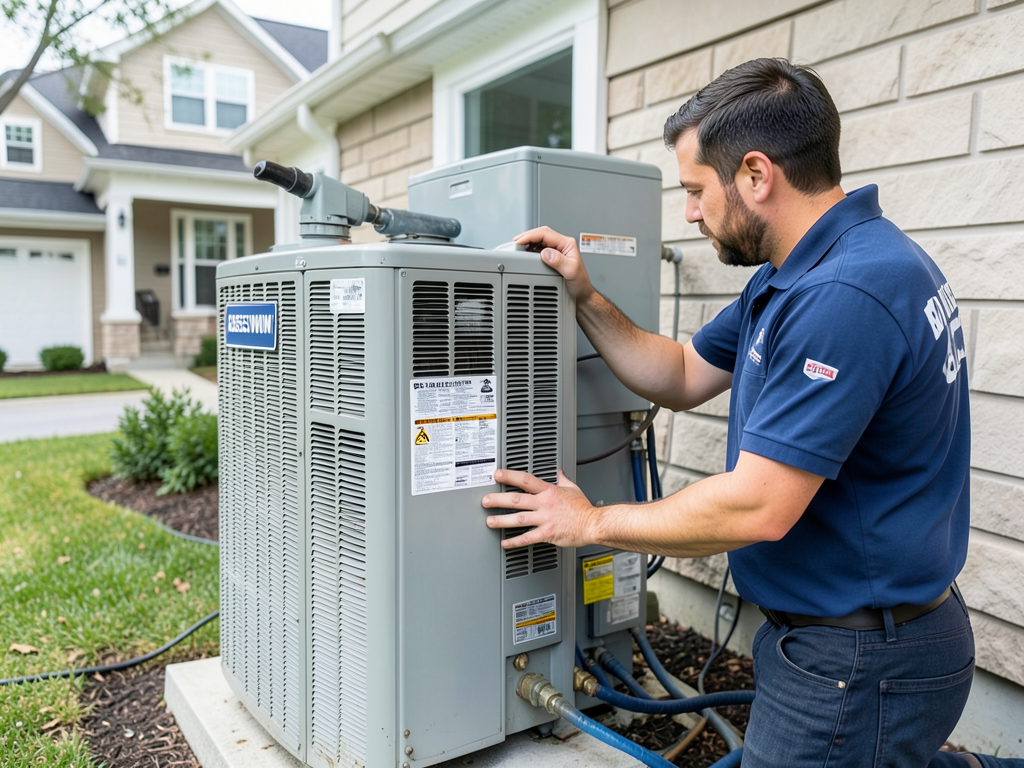
The R-22 phase-out and your Crestview AC system
If your Crestview home was built before 2010, there’s a good chance your air conditioning system still runs on R-22 refrigerant, commonly known as Freon. This older refrigerant was the industry standard for decades, but the EPA banned its production and import in 2020 due to its high ozone depletion potential. Today, finding R-22 is increasingly difficult and expensive, leaving many Austin homeowners wondering what to do next.
Crestview’s mid-century homes, with their characteristic ranch-style architecture and mature tree-lined streets, were designed when R-22 was the only option. These systems typically last 15-20 years, meaning many are now at the end of their service life just as refrigerant availability becomes a critical issue. The combination of Austin’s extreme summer heat and the phase-out creates a perfect storm for older AC units in this neighborhood.. Read more about The pros and cons of variable-speed AC units for Cherrywood renovations.
Understanding your retrofit options for R-22 systems
Before you decide to replace your entire system, you might consider retrofitting your existing unit to run on a newer refrigerant. Several ‘drop-in’ alternatives have been developed specifically for R-22 systems, each with different compatibility requirements and performance characteristics.. Read more about Is it better to replace just the compressor or the entire unit in your North Burnet property?.
The EPA maintains strict guidelines about which refrigerants can be used as substitutes, and not all alternatives work with every system. The most common options include R-407C, MO99 (R-438A), and RS-44b (R-453A). Each requires specific modifications to your system’s components.
Retrofitting involves more than just changing the refrigerant. Your system’s oil type must be compatible with the new refrigerant, and critical components like the thermal expansion valve may need adjustment or replacement. In Austin’s 100°F+ summer conditions, even small efficiency losses can significantly impact your cooling performance and energy bills.
Option 1: Retrofitting with MO99 (R-438A)
MO99, also known as R-438A, is one of the most popular retrofit options because it requires minimal system modifications. This refrigerant closely matches R-22’s cooling capacity and pressure characteristics, making it compatible with most existing mineral oil systems without a complete oil change.
The installation process typically involves recovering any remaining R-22, evacuating the system, and charging it with MO99. Your technician will need to adjust the system’s superheat settings and may need to replace the filter drier. Under Austin’s intense summer heat, MO99 systems generally maintain about 95% of their original cooling capacity.
However, there’s a catch specific to Central Texas. Our high humidity levels mean your evaporator coil works harder to remove moisture from the air. MO99’s slightly different heat transfer properties can reduce dehumidification effectiveness by 5-10%, potentially making your home feel less comfortable even when the temperature is correct.
Option 2: Retrofitting with R-407C
R-407C, marketed as Performax LT, offers another viable retrofit path but requires more extensive modifications. This refrigerant operates at slightly lower pressures than R-22, which can actually extend compressor life in some cases. However, it’s incompatible with mineral oil and requires a complete system flush and POE oil replacement.. Read more about How to tell if an HVAC maintenance plan is actually worth the money in Onion Creek.
The conversion process is more involved: all existing oil must be removed, the system thoroughly cleaned, and new filter driers installed. Your technician will need to replace the expansion device and may need to adjust refrigerant charge levels based on ambient conditions.
In Austin’s climate, R-407C typically delivers about 90-92% of the original cooling capacity. The lower operating pressures can be beneficial during our hottest months, reducing strain on older compressors. However, the POE oil used with R-407C is more hygroscopic than mineral oil, meaning it absorbs moisture more readily. This makes regular maintenance even more critical in our humid environment.
Option 3: Full system replacement with modern refrigerants
While retrofitting might seem like the economical choice, replacing your entire system with a new R-410A or R-32 unit often makes more sense for Crestview homeowners. Modern systems offer significant advantages beyond just refrigerant compatibility. Modern HVAC Solutions for Historic Homes in Tarrytown and Old West Austin.
New air conditioners feature SEER2 ratings that can be 30-50% more efficient than your 15-year-old R-22 system. In Austin’s climate, where AC units run nearly year-round, this efficiency translates to substantial energy savings. A new 16 SEER2 system might save you $300-500 annually compared to an aging R-22 unit.
Modern systems also include features that address Austin’s specific climate challenges. Variable-speed compressors maintain more consistent temperatures and better humidity control. Enhanced coil designs resist the corrosion that’s common in our high-humidity environment. Plus, new units come with 10-year warranties, protecting you from future repair costs. Emergency AC Repair Services for Homes in West Lake Hills.
The upfront cost is higher, typically $4,500-7,500 for a complete replacement in a Crestview home. However, when you factor in the rising cost of reclaimed R-22 (currently $80-120 per pound in Austin), the energy savings, and the elimination of future repair risks, replacement often breaks even within 3-5 years. Local AC Repair and Cooling Experts in South Lamar and Barton Hills.
Current R-22 pricing and availability in Austin
The cost of R-22 refrigerant has skyrocketed since the EPA phase-out. In Austin, reclaimed R-22 now costs $80-120 per pound, compared to just $15-20 per pound a decade ago. A typical residential AC system holds 4-8 pounds of refrigerant, meaning a simple recharge can cost $400-1,000.
Finding R-22 has also become challenging. Most HVAC supply houses no longer stock it, and what’s available comes from reclaimed sources. The quality can vary significantly, and contaminated refrigerant can damage your system’s compressor. Many Austin technicians now refuse to work with R-22 except for leak repairs, as the liability and cost have become prohibitive.
The supply situation continues to tighten. With no new R-22 being produced, the existing stockpile is gradually diminishing. Industry experts predict that by 2025, R-22 may become unavailable entirely, even for repairs. This timeline makes waiting to decide a risky proposition for Crestview homeowners.
Austin Energy rebates and financing options
Upgrading to a high-efficiency system in Crestview becomes much more attractive when you consider available rebates. Austin Energy offers rebates up to $2,000 for qualifying high-efficiency AC installations, specifically targeting homes in the service area.
These rebates are designed to reduce peak summer energy demand, which is critical for Austin’s power grid reliability. To qualify, your new system must meet minimum efficiency standards and be installed by a participating contractor. The rebate application process is straightforward, and many HVAC companies handle the paperwork for you.
Beyond rebates, several financing options can make replacement more manageable. Austin Energy partners with local lenders to offer low-interest loans for energy-efficient home improvements. Additionally, many HVAC contractors provide in-house financing with promotional terms like 12 months same as cash.
When you combine the Austin Energy rebate with energy savings and available financing, the monthly cost of a new high-efficiency system can be surprisingly affordable. In many cases, the energy savings alone cover most of the monthly payment. Affordable AC Tune-Ups and Maintenance for Pflugerville Homeowners.
Making the right decision for your Crestview home
The choice between retrofitting and replacing depends on several factors specific to your situation. Start by having a qualified technician perform a comprehensive system evaluation. This assessment should include a leak test, compressor evaluation, and inspection of critical components like the evaporator and condenser coils.. Read more about Deciding between a traditional AC and a hybrid heat pump in Liberty Hill.
Consider these key factors: If your system is less than 10 years old and the coils are in good condition, retrofitting might provide 3-5 more years of reliable service. However, if your unit is over 12 years old or has needed multiple repairs, replacement is usually the better long-term investment.
Think about your plans for the property as well. If you plan to stay in your Crestview home for more than five years, the energy savings and reliability of a new system typically justify the higher upfront cost. If you’re planning to sell soon, a new AC system can be a strong selling point in Austin’s competitive market.
Also consider the environmental impact. While retrofitting extends your current system’s life, it still uses ozone-depleting refrigerant. A new system with R-410A or R-32 has a much lower environmental impact and better energy efficiency, reducing your carbon footprint.
Cost comparison: Retrofit vs. Replacement
Understanding the true costs helps you make an informed decision. Here’s a breakdown of typical expenses for both options:
| Service Type | Initial Cost | Expected Lifespan | Annual Energy Cost | Total 5-Year Cost |
|---|---|---|---|---|
| R-22 Recharge | $400-1,000 | 0-1 year | $450-550 | $2,950-3,500 |
| MO99 Retrofit | $800-1,500 | 3-5 years | $420-480 | $2,900-3,300 |
| R-407C Retrofit | $1,200-2,000 | 3-5 years | $410-470 | $3,050-3,400 |
| New R-410A System | $4,500-7,500 | 10-15 years | $300-350 | $5,500-6,250 |
These estimates assume average Austin energy rates and typical Crestview home sizes. Your actual costs may vary based on your specific system and usage patterns.
Preparing for the 2025 A2L refrigerant transition
Looking ahead, the HVAC industry is preparing for another major transition in 2025. New EPA regulations will require the use of A2L refrigerants, which have even lower global warming potential than current options. These mildly flammable refrigerants require new safety equipment and handling procedures.
This upcoming transition affects your decision timeline. If you choose to retrofit now, you might face another expensive conversion in just a few years when A2L refrigerants become mandatory. A new system installed today will likely need minimal modifications to accommodate A2L refrigerants, as manufacturers are already designing for this transition.
For Crestview homeowners, this means the window for making a cost-effective decision is narrowing. The combination of rising R-22 costs, available rebates, and the upcoming A2L transition makes 2024-2025 the optimal time to upgrade if you’re considering replacement.
Finding a qualified HVAC contractor in Crestview
Whether you choose retrofit or replacement, working with a qualified contractor is essential. Look for technicians with EPA Section 608 certification, which is required for handling refrigerants. In Texas, also verify their TDLR (Texas Department of Licensing and Regulation) license.
Ask potential contractors about their experience with R-22 retrofits specifically. Not all technicians are familiar with the nuances of converting older systems, especially in the challenging Austin climate. Request references from other Crestview homeowners who’ve made similar decisions.
A thorough contractor should perform a Manual J load calculation to properly size any replacement system. They should also inspect your ductwork, as leaky or poorly insulated ducts can waste 20-30% of your cooling energy. In Crestview’s older homes, duct modifications are often necessary for optimal performance. Emergency Ductwork Repair.
Finally, get multiple quotes and compare not just price but the scope of work and warranty terms. A slightly higher upfront cost might include better components, longer warranties, or more thorough installation procedures that save money over time.
Frequently Asked Questions
Can I just keep adding R-22 to my system as needed?
Continually adding R-22 without fixing the underlying leak is expensive and environmentally harmful. Most systems that lose refrigerant have leaks that will worsen over time. Additionally, finding qualified technicians willing to work with R-22 is becoming increasingly difficult in Austin.
How long does a retrofit conversion take?
A typical retrofit conversion takes 2-4 hours for MO99 or 4-6 hours for R-407C. The system must be completely evacuated and cleaned before the new refrigerant is added. Your AC will be offline during this process, so plan accordingly during summer months.
Will a retrofit affect my home warranty?
Converting to a new refrigerant typically doesn’t void manufacturer warranties on components like compressors or coils, but it may affect coverage for the original refrigerant-related issues. Check your specific warranty terms and discuss this with your contractor before proceeding.
Are there any tax credits available for AC replacement?
Federal tax credits for high-efficiency HVAC systems were available through 2023 but have not been extended for 2024. However, Austin Energy rebates and local utility incentives remain available. Check with your tax advisor about any current federal programs.
How can I tell if my system uses R-22?
Look for a label on your outdoor condenser unit that lists the refrigerant type. If it says R-22, HCFC-22, or shows a pressure rating around 60-70 psi at 95°F, you have an R-22 system. If you can’t find the label, a technician can identify it during a service call.
Take action before the Texas heat arrives
Crestview’s mid-century homes deserve cooling systems that match their charm with modern efficiency. Whether you choose to retrofit your existing R-22 system or invest in a complete replacement, the key is making an informed decision before the next heat wave hits.
Don’t wait until your system fails on a 105°F day when technicians are busiest and prices are highest. A proactive approach lets you compare options, take advantage of rebates, and schedule work at your convenience.
Call (737) 316-0777 today to schedule your free system evaluation. Our NATE-certified technicians will assess your current system, explain your options clearly, and provide upfront pricing with no pressure. We’ve helped hundreds of Crestview homeowners navigate this exact decision, and we’ll help you find the solution that’s right for your home and budget.
Pick up the phone and call (737) 316-0777 before the next storm hits. Your comfort can’t wait, and neither should you.
{
“@context”: “https://schema.org”,
“@type”: “BlogPosting”,
“headline”: “What to do if your older Crestview home still uses R-22 refrigerant”,
“description”: “Is your Crestview home’s AC still using R-22 Freon? Learn your retrofit vs. replacement options, Austin Energy rebates, and why upgrading now saves money.”,
“wordCount”: 2150,
“datePublished”: “2026-03-10T13:31:00.000Z”,
“dateModified”: “2026-03-10T13:31:00.000Z”,
“inLanguage”: “en-US”,
“mainEntityOfPage”: {
“@type”: “WebPage”,
“@id”: “https://allprohvacaustin.com”
},
“publisher”: {
“@type”: “LocalBusiness”,
“name”: “All Pro HVAC Austin”,
“url”: “https://allprohvacaustin.com”
},
“author”: {
“@type”: “Organization”,
“name”: “All Pro HVAC Austin”,
“url”: “https://allprohvacaustin.com”
},
“image”: {
“@type”: “ImageObject”,
“url”: “https://allprohvacaustin.com/wp-content/uploads/2026/03/what-to-do-if-your-older-crestview-home-still-uses-1.png”
}
}
{
“@context”: “https://schema.org”,
“@type”: “HVACBusiness”,
“name”: “All Pro HVAC Austin”,
“url”: “https://allprohvacaustin.com”,
“address”: {
“@type”: “PostalAddress”,
“addressLocality”: “Austin”
},
“areaServed”: {
“@type”: “City”,
“name”: “Austin”
}
}
{
“@context”: “https://schema.org”,
“@type”: “FAQPage”,
“mainEntity”: [
{
“@type”: “Question”,
“name”: “Can I just keep adding R-22 to my system as needed?”,
“acceptedAnswer”: {
“@type”: “Answer”,
“text”: “Continually adding R-22 without fixing the underlying leak is expensive and environmentally harmful. Most systems that lose refrigerant have leaks that will worsen over time. Additionally, finding qualified technicians willing to work with R-22 is becoming increasingly difficult in Austin.”
}
},
{
“@type”: “Question”,
“name”: “How long does a retrofit conversion take?”,
“acceptedAnswer”: {
“@type”: “Answer”,
“text”: “A typical retrofit conversion takes 2-4 hours for MO99 or 4-6 hours for R-407C. The system must be completely evacuated and cleaned before the new refrigerant is added. Your AC will be offline during this process, so plan accordingly during summer months.”
}
},
{
“@type”: “Question”,
“name”: “Will a retrofit affect my home warranty?”,
“acceptedAnswer”: {
“@type”: “Answer”,
“text”: “Converting to a new refrigerant typically doesn’t void manufacturer warranties on components like compressors or coils, but it may affect coverage for the original refrigerant-related issues. Check your specific warranty terms and discuss this with your contractor before proceeding.”
}
},
{
“@type”: “Question”,
“name”: “Are there any tax credits available for AC replacement?”,
“acceptedAnswer”: {
“@type”: “Answer”,
“text”: “Federal tax credits for high-efficiency HVAC systems were available through 2023 but have not been extended for 2024. However, Austin Energy rebates and local utility incentives remain available. Check with your tax advisor about any current federal programs.”
}
},
{
“@type”: “Question”,
“name”: “How can I tell if my system uses R-22?”,
“acceptedAnswer”: {
“@type”: “Answer”,
“text”: “Look for a label on your outdoor condenser unit that lists the refrigerant type. If it says R-22, HCFC-22, or shows a pressure rating around 60-70 psi at 95°F, you have an R-22 system. If you can’t find the label, a technician can identify it during a service call.”
}
}
]
}
{
“@context”: “https://schema.org”,
“@type”: “BreadcrumbList”,
“itemListElement”: [
{
“@type”: “ListItem”,
“position”: 1,
“name”: “Home”,
“item”: “https://allprohvacaustin.com”
},
{
“@type”: “ListItem”,
“position”: 2,
“name”: “Blog”,
“item”: “https://allprohvacaustin.com/blog”
},
{
“@type”: “ListItem”,
“position”: 3,
“name”: “What to do if your older Crestview home still uses R-22 refrigerant”
}
]
}
{
“@context”: “https://schema.org”,
“@type”: “Service”,
“serviceType”: “HVAC”,
“provider”: {
“@type”: “LocalBusiness”,
“name”: “All Pro HVAC Austin”,
“url”: “https://allprohvacaustin.com”
},
“areaServed”: {
“@type”: “City”,
“name”: “Austin”
},
“description”: “Is your Crestview home’s AC still using R-22 Freon? Learn your retrofit vs. replacement options, Austin Energy rebates, and why upgrading now saves money.”
}