
Dealing with Bats in Your Attic and What It Means for Your Air Quality
Finding bats in your attic is more than just a wildlife issue in Austin. These animals can create serious problems for your home’s air quality and HVAC system. Bat droppings and urine can corrode metal components and spread harmful pathogens through your ductwork. If you suspect bats are living in your attic, you need to act quickly to protect your family’s health and your HVAC investment. Emergency Ductwork Repair.
The Immediate Threat: Guano and Your Air Supply
Bat guano contains spores that can become airborne and spread through your HVAC system. When these spores enter your air supply, they can cause respiratory issues and other health problems. The warm, moist environment inside your attic creates perfect conditions for these spores to multiply and spread throughout your home.
Bat urine is highly acidic and can corrode copper evaporator coils and aluminum fins. This corrosion reduces your AC’s efficiency and can lead to refrigerant leaks. The damage often goes unnoticed until your system stops cooling properly during Austin’s hot summer months.
Mechanical Damage: Beyond the Smell
Bats nesting in your attic can physically damage your HVAC system in several ways. They may tear flexible ductwork while moving through your attic space, creating leaks that reduce system efficiency. Compressed attic insulation from bat activity forces your AC to work harder, increasing your energy bills.
The bat musk smell can permeate porous ductwork materials. This odor becomes trapped in your home’s air supply and is difficult to remove without professional cleaning. The smell often indicates that bat particles are circulating through your living spaces. Fast and Professional Furnace Repair in Georgetown During the Winter Chill.
Call (737) 316-0777 today to schedule your inspection before the next storm hits.
The ‘Austin Bat Factor’: Timing and Legality
Central Texas is home to the Mexican Free-tailed bat, which migrates through the area from March through November. During this bat season, Texas Parks and Wildlife Department regulations protect these animals. You cannot legally exclude bats during their maternity season, which typically runs from May 1 through August 15. Texas Parks and Wildlife Department.
According to Texas Parks and Wildlife Code Section 63.101, it is illegal to harm or kill bats without a special permit. This means HVAC repairs often must wait until bats are legally removed by wildlife professionals. Planning your bat remediation around these legal restrictions is essential for Austin homeowners. Emergency AC Repair Services for Homes in West Lake Hills.
HVAC Remediation Checklist
Professional bat remediation requires a specific sequence of steps to ensure your HVAC system is safe and functional. Here’s what the process typically involves:
- Professional Wildlife Exclusion
Wildlife experts install one-way exit devices and seal entry points. This must be done during legal exclusion periods to comply with Texas regulations.
- Ductwork Inspection
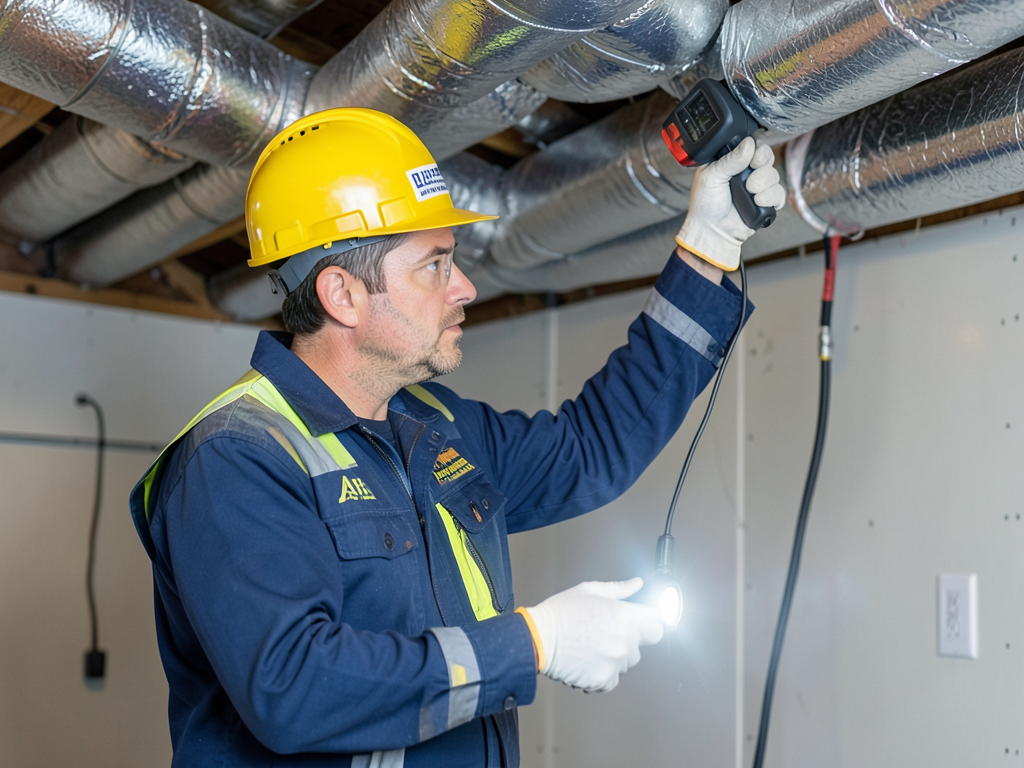
Technicians use borescopes to inspect ducts for bat debris, tears, and contamination. They check for compromised insulation and damaged flex connections.
- Evaporator Coil Cleaning
Specialized cleaning removes bat guano residue and urine deposits from coils. This prevents corrosion and restores cooling efficiency.
- HEPA-Grade Filtration Upgrade
Installing MERV 13 or higher filters captures biological particles that standard filters miss. This protects your air quality during and after remediation.
Understanding the Health Risks
Histoplasmosis is a fungal infection caused by inhaling spores from bat droppings. The CDC reports that these spores can survive in attic dust for years after bats are removed. When your HVAC system runs, it can distribute these spores throughout your home. CDC information on Histoplasmosis.
People with weakened immune systems, young children, and older adults are particularly vulnerable to histoplasmosis. Symptoms include fever, cough, and chest pain. In severe cases, the infection can spread to other organs.
The Texas Department of State Health Services recommends professional cleaning for any space with significant bat guano accumulation. Standard household cleaning methods can actually increase the risk of spore distribution.
Cost Considerations and Prevention
Professional bat remediation for HVAC systems typically costs between $1,500 and $4,000, depending on the extent of contamination. This is significantly less than replacing corroded evaporator coils, which can cost $2,000 to $3,000 alone.
Prevention is more cost-effective than remediation. Installing proper attic ventilation and sealing potential entry points costs $500 to $1,500. This investment can save you thousands in future HVAC repairs and health-related expenses. Local AC Repair and Cooling Experts in South Lamar and Barton Hills.
Regular HVAC maintenance helps detect bat-related damage early. During annual service visits, technicians should inspect attic access points and check for signs of wildlife activity near your system.
When to Call for Professional Help
You should contact an HVAC professional immediately if you notice these warning signs:
- Musty or ammonia-like odors coming from your vents
- Reduced cooling efficiency despite clean filters
- Visible bat droppings near your attic access or air handler
- Strange noises in your attic during dawn or dusk
- Increased allergy symptoms when your AC runs
Professional HVAC technicians use specialized equipment to detect bat-related contamination. They can test your air quality and identify specific pathogens that may be circulating through your system.
Don’t wait until your family’s health is at risk. Call (737) 316-0777 to schedule your bat inspection today.
Frequently Asked Questions
How do I know if bats have damaged my HVAC system?
Look for reduced cooling efficiency, unusual odors from vents, and visible corrosion on outdoor units. A professional inspection can identify bat-related damage that isn’t visible to homeowners.
Can I clean bat droppings from my attic myself?
No. Disturbing bat guano can release harmful spores into the air. Professional remediation teams use specialized equipment and follow CDC safety protocols to protect your health.
How long does bat remediation take?
The exclusion process takes 3-7 days. Full HVAC remediation, including cleaning and repairs, typically requires 1-2 days once bats are removed. 24/7 Emergency AC Repair.
Will my homeowner’s insurance cover bat damage?
Most standard policies exclude rodent and bat damage. However, some policies may cover sudden damage to HVAC components. Check your specific policy or contact your insurance provider.
Protecting Your Home’s Future
Dealing with bats in your attic requires a comprehensive approach that addresses both wildlife removal and HVAC system protection. The Mexican Free-tailed bats that call Austin home are protected by law, making professional coordination essential.
By understanding the connection between attic wildlife and indoor air quality, you can make informed decisions about protecting your home. Professional remediation not only removes the immediate threat but also prevents future damage to your HVAC system.
Regular maintenance and early detection are your best defenses against bat-related HVAC problems. Schedule annual inspections to catch potential issues before they become costly repairs.
Ready to protect your home’s air quality? Call (737) 316-0777 now to speak with our bat remediation specialists.
{
“@context”: “https://schema.org”,
“@type”: “BlogPosting”,
“headline”: “Dealing with Bats in Your Attic and What It Means for Your Air Quality”,
“description”: “Bats in your Austin attic can damage HVAC systems and spread harmful pathogens. Learn how to protect your air quality and when to call for professional remediation.”,
“wordCount”: 1133,
“datePublished”: “2026-05-31T11:18:00.000Z”,
“dateModified”: “2026-05-31T11:18:00.000Z”,
“inLanguage”: “en-US”,
“mainEntityOfPage”: {
“@type”: “WebPage”,
“@id”: “https://allprohvacaustin.com”
},
“publisher”: {
“@type”: “LocalBusiness”,
“name”: “All Pro HVAC Austin”,
“url”: “https://allprohvacaustin.com”
},
“author”: {
“@type”: “Organization”,
“name”: “All Pro HVAC Austin”,
“url”: “https://allprohvacaustin.com”
},
“image”: {
“@type”: “ImageObject”,
“url”: “https://allprohvacaustin.com/wp-content/uploads/2026/03/dealing-with-bats-in-your-attic-and-what-it-means-1.png”
}
}
{
“@context”: “https://schema.org”,
“@type”: “HVACBusiness”,
“name”: “All Pro HVAC Austin”,
“url”: “https://allprohvacaustin.com”,
“address”: {
“@type”: “PostalAddress”,
“addressLocality”: “Austin”
},
“areaServed”: {
“@type”: “City”,
“name”: “Austin”
}
}
{
“@context”: “https://schema.org”,
“@type”: “FAQPage”,
“mainEntity”: [
{
“@type”: “Question”,
“name”: “How do I know if bats have damaged my HVAC system?”,
“acceptedAnswer”: {
“@type”: “Answer”,
“text”: “Look for reduced cooling efficiency, unusual odors from vents, and visible corrosion on outdoor units. A professional inspection can identify bat-related damage that isn’t visible to homeowners.”
}
},
{
“@type”: “Question”,
“name”: “Can I clean bat droppings from my attic myself?”,
“acceptedAnswer”: {
“@type”: “Answer”,
“text”: “No. Disturbing bat guano can release harmful spores into the air. Professional remediation teams use specialized equipment and follow CDC safety protocols to protect your health.”
}
},
{
“@type”: “Question”,
“name”: “How long does bat remediation take?”,
“acceptedAnswer”: {
“@type”: “Answer”,
“text”: “The exclusion process takes 3-7 days. Full HVAC remediation, including cleaning and repairs, typically requires 1-2 days once bats are removed. 24/7 Emergency AC Repair.”
}
},
{
“@type”: “Question”,
“name”: “Will my homeowner’s insurance cover bat damage?”,
“acceptedAnswer”: {
“@type”: “Answer”,
“text”: “Most standard policies exclude rodent and bat damage. However, some policies may cover sudden damage to HVAC components. Check your specific policy or contact your insurance provider.”
}
}
]
}
{
“@context”: “https://schema.org”,
“@type”: “HowTo”,
“name”: “HVAC Bat Remediation Process”,
“step”: [
{
“@type”: “HowToStep”,
“position”: 1,
“name”: “Professional Wildlife Exclusion”,
“text”: “Wildlife experts install one-way exit devices and seal entry points. This must be done during legal exclusion periods to comply with Texas regulations.”
},
{
“@type”: “HowToStep”,
“position”: 2,
“name”: “Ductwork Inspection”,
“text”: “Technicians use borescopes to inspect ducts for bat debris, tears, and contamination. They check for compromised insulation and damaged flex connections.”
},
{
“@type”: “HowToStep”,
“position”: 3,
“name”: “Evaporator Coil Cleaning”,
“text”: “Specialized cleaning removes bat guano residue and urine deposits from coils. This prevents corrosion and restores cooling efficiency.”
},
{
“@type”: “HowToStep”,
“position”: 4,
“name”: “HEPA-Grade Filtration Upgrade”,
“text”: “Installing MERV 13 or higher filters captures biological particles that standard filters miss. This protects your air quality during and after remediation.”
}
],
“image”: “https://allprohvacaustin.com/wp-content/uploads/2026/03/dealing-with-bats-in-your-attic-and-what-it-means-1.png”
}
{
“@context”: “https://schema.org”,
“@type”: “BreadcrumbList”,
“itemListElement”: [
{
“@type”: “ListItem”,
“position”: 1,
“name”: “Home”,
“item”: “https://allprohvacaustin.com”
},
{
“@type”: “ListItem”,
“position”: 2,
“name”: “Blog”,
“item”: “https://allprohvacaustin.com/blog”
},
{
“@type”: “ListItem”,
“position”: 3,
“name”: “Dealing with Bats in Your Attic and What It Means for Your Air Quality”
}
]
}
{
“@context”: “https://schema.org”,
“@type”: “Service”,
“serviceType”: “HVAC”,
“provider”: {
“@type”: “LocalBusiness”,
“name”: “All Pro HVAC Austin”,
“url”: “https://allprohvacaustin.com”
},
“areaServed”: {
“@type”: “City”,
“name”: “Austin”
},
“description”: “Bats in your Austin attic can damage HVAC systems and spread harmful pathogens. Learn how to protect your air quality and when to call for professional remediation.”
}