
Why Your Upstairs Is Still Hot Even After Replacing the AC in Avery Ranch
If you’ve just replaced your air conditioner and the upstairs is still unbearably hot, you’re not alone. Many homeowners in Avery Ranch face this frustrating issue, especially during Austin’s scorching summers when temperatures regularly climb above 100 degrees. The problem isn’t always the AC unit itself. In fact, a brand-new system can still struggle if the underlying issues affecting airflow and heat distribution aren’t addressed. Austin Energy.
The Texas heat puts unique stress on two-story homes. Heat rises naturally, and in Avery Ranch’s newer suburban developments, attic ductwork runs through superheated spaces that can reach 140 degrees or more. Even a perfectly sized and installed AC system can’t overcome poor duct design, inadequate insulation, or air leaks that let conditioned air escape before it reaches your upstairs rooms. Emergency Ductwork Repair.
Common Reasons Your Upstairs Stays Hot After AC Replacement
Understanding the root causes is the first step toward solving the problem. Here are the most frequent issues we see in Avery Ranch homes that keep upstairs areas uncomfortably warm.. Read more about Troubleshooting airflow issues in two story homes near Walnut Creek.
Leaky or Poorly Designed Ductwork
Many homes in Avery Ranch were built with standard ductwork that develops leaks over time. When ducts run through unconditioned attic spaces, even small gaps can allow cool air to escape before it reaches your second floor. A duct blaster test often reveals 20-30% air loss in older systems. Additionally, if the original ductwork wasn’t properly sized for your home’s cooling load, a new AC unit won’t fix the fundamental design flaw.
Insufficient Return Air Vents
Proper air circulation requires both supply and return vents working together. Many two-story homes have only one central return, usually located downstairs. This creates negative pressure upstairs, making it difficult for cool air to flow upward. Without adequate return pathways, your AC system struggles to pull warm air from upper levels, reducing overall efficiency.
Attic Heat Gain
Avery Ranch homes typically feature large, open second-floor designs with vaulted ceilings and extensive attic spaces. During summer, attic temperatures can soar, radiating heat through the ceiling and overwhelming your AC’s cooling capacity. Poor attic insulation or ventilation allows this heat to seep into living spaces, creating a constant battle for your cooling system.
Undersized or Improperly Installed Equipment
Even new AC units can be incorrectly sized or installed. If your contractor didn’t perform a proper Manual J load calculation, you might have equipment that’s too small for your home’s actual cooling needs. Additionally, improper refrigerant charge, incorrect airflow settings, or faulty thermostat placement can all contribute to inadequate cooling performance.
Quick DIY Checks Before Calling a Professional
Before scheduling a service call, there are several simple things you can check that might resolve your upstairs cooling issues.
Check and Replace Air Filters
Clogged air filters restrict airflow throughout your entire system. In Texas’s dusty climate, filters can become blocked in as little as 30 days. Check your filters monthly and replace them when they appear dirty. Restricted airflow forces your AC to work harder and can prevent cool air from reaching upstairs rooms.
Inspect Supply and Return Vents
Walk through your home and ensure all supply vents are fully open and unobstructed by furniture, curtains, or rugs. Check return vents for blockages as well. Sometimes homeowners accidentally close vents in unused rooms, creating pressure imbalances that affect the entire system’s performance.
Test Thermostat Settings and Placement
Your thermostat should be located away from direct sunlight, heat sources, and air vents. If it’s in a naturally cooler area, it may shut off the system before upstairs rooms reach comfortable temperatures. Consider installing smart thermostats with remote sensors that can monitor temperatures in different zones of your home.
Seal Visible Air Leaks
Check around windows, doors, and electrical outlets for air leaks. In older homes, gaps around window frames can let hot outdoor air infiltrate upstairs rooms. Use weatherstripping or caulk to seal these leaks, which can make a noticeable difference in comfort levels.
Professional Solutions for Balanced Comfort
When DIY fixes don’t solve the problem, professional HVAC services can address the underlying issues affecting your home’s cooling performance. Fast and Professional Furnace Repair in Georgetown During the Winter Chill.
Ductwork Sealing and Redesign
Professional duct sealing using techniques like Aeroseal can reduce air leaks by up to 90%. This process involves injecting aerosolized sealant particles into your ductwork, which find and seal leaks from the inside. For homes with severely compromised duct systems, a complete redesign might be necessary to ensure proper airflow distribution to all areas.
HVAC Zoning Systems
Zoning allows you to control temperatures independently in different areas of your home. For two-story homes in Avery Ranch, this typically means separate zones for upstairs and downstairs. Zone control systems use motorized dampers in your ductwork and multiple thermostats to direct cooling where it’s needed most, eliminating the constant upstairs/downstairs temperature battle.
Attic Insulation Upgrades
Increasing your attic insulation to R-38 or R-49 can dramatically reduce heat gain through your ceiling. In Texas, the Building Energy Code requires minimum R-30 insulation in attics, but upgrading to higher R-values provides better protection against summer heat. Consider adding radiant barrier sheathing or reflective insulation for additional heat rejection.
Variable-Speed HVAC Equipment
Variable-speed compressors and blowers operate more efficiently than single-stage units by adjusting their output to match your home’s exact cooling needs. These systems run longer at lower speeds, which improves humidity control and air circulation while reducing temperature swings between floors.
Additional Return Air Pathways
Installing additional return air vents upstairs or creating transfer grilles between floors can improve air circulation and pressure balance. This allows your AC system to more effectively pull warm air from upper levels and distribute cool air where it’s needed most.
The Austin Energy Factor: Rebates and Efficiency
Austin Energy offers several programs that can help offset the cost of cooling system improvements. Their Home Performance with ENERGY STAR program provides rebates for comprehensive home energy upgrades, including duct sealing, insulation improvements, and HVAC system replacements.
Through this program, homeowners can receive rebates covering up to 50% of improvement costs, with maximum rebates ranging from $1,800 to $2,500 depending on the scope of work. The program requires a whole-home energy assessment to identify the most cost-effective improvements for your specific situation.. Read more about Finding the right whole home dehumidifier for humid South Menchaca summers.
Austin Energy also offers AC tune-up rebates and smart thermostat incentives that can help improve your system’s efficiency without major investments. These programs are particularly valuable for Avery Ranch residents looking to reduce energy costs while improving comfort.
Understanding Manual J Load Calculations
A proper Manual J load calculation is essential for correctly sizing any HVAC system. This calculation considers your home’s square footage, insulation levels, window orientation, local climate data, and many other factors to determine the exact cooling capacity needed. Local AC Repair and Cooling Experts in South Lamar and Barton Hills.
Many HVAC contractors skip this crucial step, instead relying on rules of thumb that often result in undersized or oversized equipment. An oversized system might cool quickly but won’t run long enough to properly dehumidify your home, while an undersized system will struggle to maintain comfortable temperatures, especially upstairs.
When evaluating HVAC contractors, always ask if they perform Manual J calculations and request to see the results. This document should show the total cooling load in BTUs and the required airflow in cubic feet per minute (CFM) for each room in your home.
Advanced Diagnostic Tools We Use
Professional HVAC technicians use specialized equipment to diagnose cooling problems that aren’t visible to homeowners. These diagnostic tools help identify issues that could be causing your upstairs to stay hot.
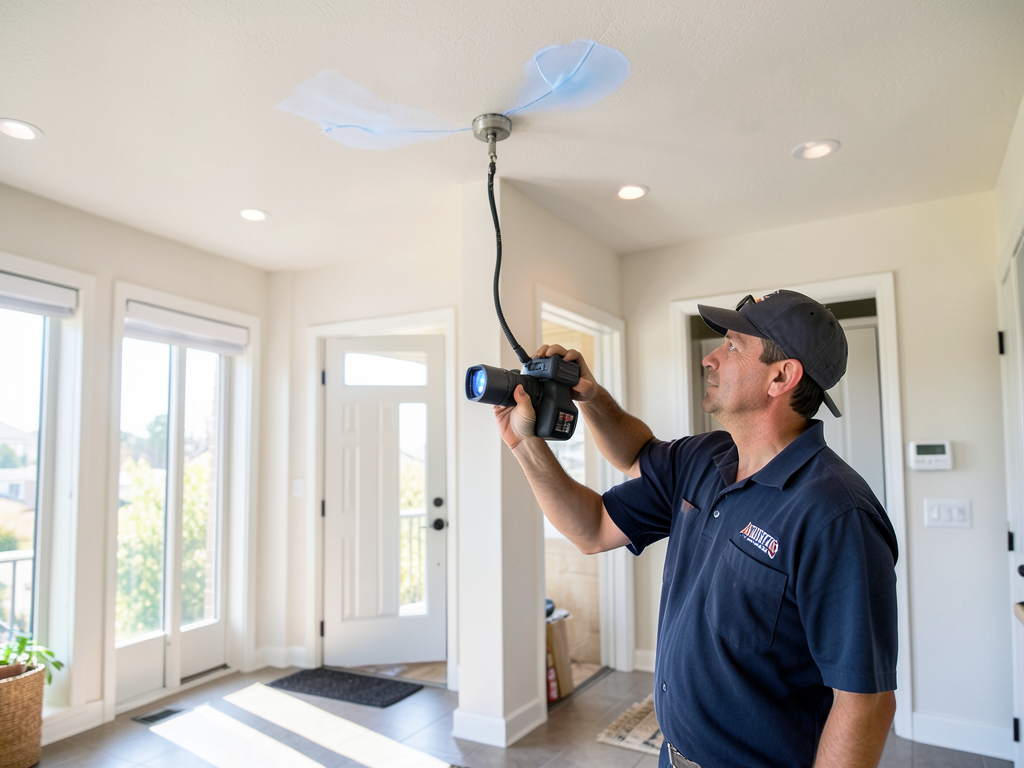
Thermal imaging cameras can detect temperature differences in walls, ceilings, and ductwork that indicate air leaks, insufficient insulation, or equipment problems. This technology allows us to see exactly where heat is entering your home or where conditioned air is escaping.
Blower door tests measure your home’s overall air leakage and help identify areas where outside air is infiltrating. Combined with duct blaster testing, these diagnostics provide a complete picture of your home’s thermal performance and air distribution issues.
Static pressure measurements assess whether your ductwork is properly sized for your HVAC system. High static pressure indicates restricted airflow, which can prevent cool air from reaching upstairs rooms even when your AC is running at full capacity.
Frequently Asked Questions
Why is my upstairs 10-15 degrees hotter than downstairs?
This temperature difference typically indicates duct design problems, insufficient return air, or attic heat gain. A professional assessment can identify the specific causes and recommend solutions like zoning systems or duct modifications. Modern HVAC Solutions for Historic Homes in Tarrytown and Old West Austin.
Will closing downstairs vents help cool upstairs?
No, closing vents can actually make the problem worse by creating pressure imbalances in your duct system. This forces conditioned air to escape through leaks and can reduce overall system efficiency.
How much does it cost to add a zoning system?
Zoning system installation typically ranges from $2,500 to $5,000 depending on your home’s layout and existing ductwork. This investment often pays for itself through improved comfort and energy efficiency.
Should I replace my ductwork when I replace my AC?
Not always, but if your ducts are old, leaky, or improperly sized, replacing them alongside your new AC ensures optimal system performance. A professional evaluation can determine whether your existing ductwork is adequate.
How long does a professional duct sealing take?
Professional duct sealing using Aeroseal typically takes 4-6 hours for an average home. The process is non-invasive and can be completed in a single day with immediate improvements in comfort and efficiency.
Take Action for Comfortable Upstairs Living
Living with an uncomfortably hot upstairs isn’t just frustrating—it can also lead to higher energy bills as you try to compensate by overcooling downstairs areas. The good news is that most upstairs cooling problems can be solved with the right diagnosis and solutions.
Start with the simple DIY checks we’ve outlined, but don’t hesitate to call in professionals if those steps don’t resolve the issue. A comprehensive evaluation of your home’s cooling system, ductwork, and thermal envelope can identify the specific problems affecting your comfort.
Call (737) 316-0777 today to schedule your professional HVAC assessment. Our experienced technicians understand the unique challenges of cooling two-story homes in Avery Ranch and can recommend solutions that will finally bring comfortable temperatures to every room in your home.
Don’t wait until the next heat wave hits. Pick up the phone and call (737) 316-0777 before the next storm hits. Your upstairs comfort is just one call away. For more information, visit U.S. Department of Energy.
You may also find this helpful. How to Spot Hidden Hail Damage on Your AC Unit After an Austin Storm.
You may also find this helpful. Why Foundation Shifting in Pflugerville Might Be Cracking Your Air Ducts.
{
“@context”: “https://schema.org”,
“@type”: “BlogPosting”,
“headline”: “Why Your Upstairs Is Still Hot Even After Replacing the AC in Avery Ranch”,
“description”: “Discover why your second floor stays hot in Avery Ranch after AC replacement. Learn about duct issues, insulation, and zoning solutions specific to Austin’s climate.”,
“wordCount”: 1776,
“datePublished”: “2026-05-12T08:17:00.000Z”,
“dateModified”: “2026-05-12T08:17:00.000Z”,
“inLanguage”: “en-US”,
“mainEntityOfPage”: {
“@type”: “WebPage”,
“@id”: “https://allprohvacaustin.com”
},
“publisher”: {
“@type”: “LocalBusiness”,
“name”: “All Pro HVAC Austin”,
“url”: “https://allprohvacaustin.com”
},
“author”: {
“@type”: “Organization”,
“name”: “All Pro HVAC Austin”,
“url”: “https://allprohvacaustin.com”
},
“image”: {
“@type”: “ImageObject”,
“url”: “https://allprohvacaustin.com/wp-content/uploads/2026/03/why-your-upstairs-is-still-hot-even-after-replacin-1.png”
}
}
{
“@context”: “https://schema.org”,
“@type”: “HVACBusiness”,
“name”: “All Pro HVAC Austin”,
“url”: “https://allprohvacaustin.com”,
“address”: {
“@type”: “PostalAddress”,
“addressLocality”: “Austin”
},
“areaServed”: {
“@type”: “City”,
“name”: “Austin”
}
}
{
“@context”: “https://schema.org”,
“@type”: “FAQPage”,
“mainEntity”: [
{
“@type”: “Question”,
“name”: “Why is my upstairs 10-15 degrees hotter than downstairs?”,
“acceptedAnswer”: {
“@type”: “Answer”,
“text”: “This temperature difference typically indicates duct design problems, insufficient return air, or attic heat gain. A professional assessment can identify the specific causes and recommend solutions like zoning systems or duct modifications. Modern HVAC Solutions for Historic Homes in Tarrytown and Old West Austin.”
}
},
{
“@type”: “Question”,
“name”: “Will closing downstairs vents help cool upstairs?”,
“acceptedAnswer”: {
“@type”: “Answer”,
“text”: “No, closing vents can actually make the problem worse by creating pressure imbalances in your duct system. This forces conditioned air to escape through leaks and can reduce overall system efficiency.”
}
},
{
“@type”: “Question”,
“name”: “How much does it cost to add a zoning system?”,
“acceptedAnswer”: {
“@type”: “Answer”,
“text”: “Zoning system installation typically ranges from $2,500 to $5,000 depending on your home’s layout and existing ductwork. This investment often pays for itself through improved comfort and energy efficiency.”
}
},
{
“@type”: “Question”,
“name”: “Should I replace my ductwork when I replace my AC?”,
“acceptedAnswer”: {
“@type”: “Answer”,
“text”: “Not always, but if your ducts are old, leaky, or improperly sized, replacing them alongside your new AC ensures optimal system performance. A professional evaluation can determine whether your existing ductwork is adequate.”
}
},
{
“@type”: “Question”,
“name”: “How long does a professional duct sealing take?”,
“acceptedAnswer”: {
“@type”: “Answer”,
“text”: “Professional duct sealing using Aeroseal typically takes 4-6 hours for an average home. The process is non-invasive and can be completed in a single day with immediate improvements in comfort and efficiency.”
}
}
]
}
{
“@context”: “https://schema.org”,
“@type”: “BreadcrumbList”,
“itemListElement”: [
{
“@type”: “ListItem”,
“position”: 1,
“name”: “Home”,
“item”: “https://allprohvacaustin.com”
},
{
“@type”: “ListItem”,
“position”: 2,
“name”: “Blog”,
“item”: “https://allprohvacaustin.com/blog”
},
{
“@type”: “ListItem”,
“position”: 3,
“name”: “Why Your Upstairs Is Still Hot Even After Replacing the AC in Avery Ranch”
}
]
}
{
“@context”: “https://schema.org”,
“@type”: “Service”,
“serviceType”: “HVAC”,
“provider”: {
“@type”: “LocalBusiness”,
“name”: “All Pro HVAC Austin”,
“url”: “https://allprohvacaustin.com”
},
“areaServed”: {
“@type”: “City”,
“name”: “Austin”
},
“description”: “Discover why your second floor stays hot in Avery Ranch after AC replacement. Learn about duct issues, insulation, and zoning solutions specific to Austin’s climate.”
}