
How to Spot Hidden Hail Damage on Your AC Unit After an Austin Storm
Central Texas hailstorms can wreak havoc on your home’s exterior, and while most homeowners check their roofs for damage, the AC condenser unit often gets overlooked. After a major hail event in Austin, your outdoor AC unit’s aluminum fins can sustain damage that isn’t immediately visible but can lead to compressor failure, higher energy bills, and costly repairs down the road. Texas Department of Insurance.
The fins on your condenser coil are designed to dissipate heat efficiently. When hail strikes, even small impacts can bend these delicate aluminum surfaces, restricting airflow and forcing your system to work harder. This hidden damage can reduce your AC’s efficiency by up to 30% and potentially void your manufacturer’s warranty if not documented and repaired promptly. EPA Section 608 Certification.
Visual Signs of Hail Damage on Your AC Condenser
Start your inspection by examining the exterior of your condenser unit. Look for these telltale signs of hail impact:
- Small dents or dimples on the metal cabinet
- Bent or crushed aluminum fins visible through the protective grille
- Damaged refrigerant lines with visible impact marks
- Cracked or broken service valve caps
- Debris lodged in the coil fins from hail impact
The most critical damage often occurs on the coil fins themselves. These thin aluminum surfaces can bend easily, creating airflow restrictions that aren’t obvious from a distance. Shine a flashlight through the grille at different angles to spot any areas where the fins appear flattened or misaligned.

Diagram showing common hail damage patterns on AC condenser fins with before/after comparison of airflow restriction.
Functional vs. Cosmetic Damage: What Austin Homeowners Need to Know
Not all hail damage requires immediate repair. Understanding the difference between cosmetic and functional damage can save you from unnecessary expenses while ensuring you don’t overlook serious issues. Emergency AC Repair Services for Homes in West Lake Hills.
Cosmetic damage includes minor dents on the cabinet that don’t affect performance. These might look concerning but won’t impact your system’s operation or efficiency. Functional damage, however, directly affects your AC’s ability to cool your home effectively.. Read more about Spring Cleaning Your HVAC System Specifically for the Central Texas Climate.
Key indicators of functional damage include:
- Fins that are bent at sharp angles, blocking more than 25% of airflow
- Damage to the copper refrigerant lines that could cause leaks
- Impact marks near the compressor or electrical components
- Multiple areas of damage across the entire coil surface
When fins are significantly bent, your system must run longer cycles to achieve the same cooling effect. This increased runtime leads to higher Austin Energy bills and accelerated wear on the compressor. In our climate, where AC units run nearly year-round, this added strain can reduce your system’s lifespan by several years.
Navigating the Insurance Claim Process for HVAC in Texas
Most homeowners insurance policies cover hail damage to HVAC equipment, but the claims process can be confusing. Texas law requires insurance companies to provide replacement cost value (RCV) coverage for hail damage, not just actual cash value (ACV).
Here’s the step-by-step process for filing an HVAC hail damage claim in Austin:
- Document the Damage
Take clear photos of all visible damage, including close-ups of bent fins and cabinet dents. Time-stamp your photos and note the date of the hailstorm.
- Schedule a Professional Inspection
Before contacting your insurance company, have a licensed HVAC technician assess the damage. They can provide a detailed report that distinguishes between cosmetic and functional damage.
- File Your Claim Promptly
Texas insurance regulations give you two years from the date of loss to file a hail damage claim. However, waiting too long can result in denied claims if the damage worsens.
- Meet with the Insurance Adjuster
Your HVAC technician should be present during the adjuster’s inspection to explain the technical aspects of the damage and why repairs are necessary. Local AC Repair and Cooling Experts in South Lamar and Barton Hills.
- Review the Settlement Offer
Ensure the settlement covers both parts and labor for proper repairs. Some insurers try to minimize payouts by excluding labor costs.
Under Texas Insurance Code Section 542, your insurer must respond to your claim within 15 business days of receiving all required documentation. If they deny your claim or offer an insufficient settlement, you have the right to request a second inspection or file a complaint with the Texas Department of Insurance.
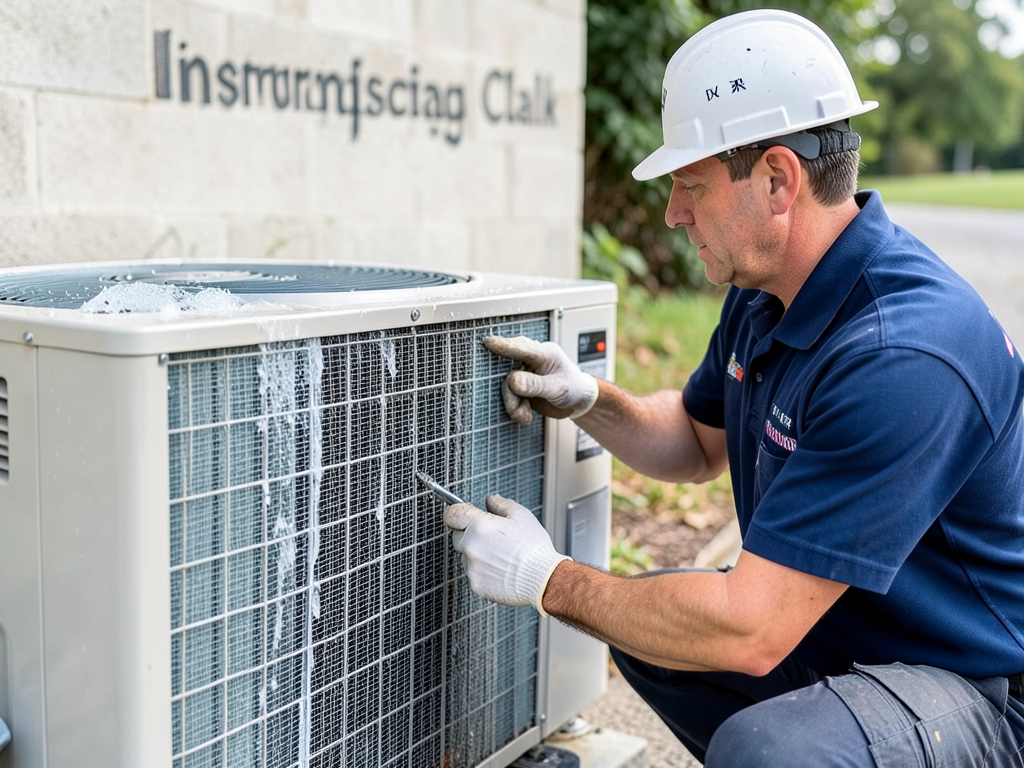
Photo showing a licensed HVAC technician documenting hail damage on an AC condenser for insurance purposes.
Repairing vs. Replacing Your Hail-Damaged Condenser
The decision to repair or replace a hail-damaged unit depends on several factors, including the extent of damage, the unit’s age, and your long-term plans for the property.
Fin combing is a common repair method where technicians use specialized tools to straighten bent fins. This process can restore up to 80% of the coil’s original efficiency if the damage is limited to surface-level impacts. However, if the hail has caused structural damage to the coil or impacted the compressor, replacement is often the more cost-effective option.
Consider these factors when making your decision:
| Factor | Repair Recommended | Replace Recommended |
|---|---|---|
| Unit Age | Less than 5 years old | Over 10 years old |
| Damage Extent | Less than 30% of fins affected | Widespread damage or structural issues |
| SEER Rating | Current unit is 16+ SEER | Unit is 14 SEER or lower |
| Energy Costs | Minor efficiency loss expected | Significant efficiency reduction |
Modern AC units with micro-channel coils are particularly vulnerable to hail damage. Unlike traditional fin-and-tube designs, these coils cannot be effectively repaired once damaged. If your system uses this technology, replacement is usually the only viable option. Modern HVAC Solutions for Historic Homes in Tarrytown and Old West Austin.
Preventing Future Damage: Hail Guards and Protective Screens
After experiencing hail damage, many Austin homeowners invest in protective measures to prevent future incidents. Hail guards and protective screens can reduce the risk of damage by up to 90% during severe storms.. Read more about What to Do if Your Outdoor AC Unit Gets Flooded During a Flash Flood.
Hail guards come in various designs:
- Metal mesh screens that attach directly to the condenser grille
- Removable protective covers for seasonal use
- Integrated protective housings for new installations
The cost of hail protection typically ranges from $200 to $800 depending on the system size and guard type. Given that a single hail damage claim can cost $1,500 to $3,000 in repairs, these guards often pay for themselves within one storm cycle.
When selecting hail protection, ensure the guard doesn’t restrict airflow. Poor-quality guards can actually reduce efficiency by creating back pressure on the fan. Look for products with at least 70% open area and UV-resistant coatings to prevent deterioration in our intense Texas sun.. Read more about Why You Should Never Use a Pressure Washer on Your Austin AC Unit.
Photo of a hail guard installation on an AC condenser unit showing proper airflow clearance and protection.
Impact on Energy Efficiency and Long-Term System Lifespan
Even minor hail damage can significantly impact your AC’s performance. Bent fins reduce the coil’s ability to transfer heat, forcing your system to run longer cycles. This increased runtime not only raises your energy bills but also accelerates wear on critical components.
A system with 20% fin damage might see energy consumption increase by 15-25%. In Austin’s climate, where cooling accounts for up to 70% of a home’s energy use, this translates to hundreds of dollars in additional costs each summer.
The long-term effects extend beyond energy costs. Compressors in hail-damaged systems often fail 2-3 years earlier than expected due to the added strain of restricted airflow. The refrigerant system also becomes less efficient, potentially leading to premature leaks or coil failures.
Regular maintenance becomes even more critical for hail-damaged units. Annual professional cleaning and coil inspection can help identify developing issues before they cause system failure. During these inspections, technicians should measure temperature differentials across the coil to quantify efficiency losses from hail damage. Fast and Professional Furnace Repair in Georgetown During the Winter Chill.
When to Call a Professional: Red Flags That Require Immediate Attention
While some damage is visible to the trained eye, certain signs indicate you need professional assessment immediately. Don’t wait to call if you notice:
- Unusual noises coming from the condenser after a storm
- Reduced cooling performance or longer cooling cycles
- Ice formation on the refrigerant lines
- Visible refrigerant leaks or oil stains around the unit
- Tripped breakers when the AC tries to start
Refrigerant leaks from hail-damaged lines require immediate professional repair. Not only do these leaks reduce cooling efficiency, but they also release harmful chemicals into the atmosphere. Under EPA Section 608 regulations, only certified technicians can handle refrigerant repairs and recharge systems.
Electrical damage from hail impact poses serious safety risks. If hail has damaged the contactor, capacitor, or control board, the system could short-circuit or create fire hazards. These components should only be inspected and repaired by licensed HVAC professionals.
Local Austin Storm Patterns and Seasonal Considerations
Austin experiences two primary hail seasons: spring (March-May) and fall (October-November). During these periods, severe thunderstorms frequently produce hail ranging from pea-sized to golf ball-sized stones.
The most damaging storms often occur in the late afternoon when daytime heating creates strong updrafts capable of suspending larger hailstones. Areas north and west of downtown Austin, including parts of Cedar Park and Round Rock, typically experience more frequent and severe hail events due to their proximity to the Hill Country. Geothermal Heating & Cooling.
After a major hail event, demand for HVAC inspections and repairs spikes dramatically. Waiting even a few days to assess your system can mean longer wait times for service and potentially missing the window for insurance claims. The Texas Department of Licensing and Regulation (TDLR) reports that unlicensed contractors often flood affected areas after storms, so always verify credentials before hiring anyone to assess hail damage.
Frequently Asked Questions
How long after a hailstorm should I inspect my AC unit?
Inspect your AC unit within 24-48 hours after any significant hailstorm. Waiting longer allows bent fins to trap debris and moisture, potentially causing corrosion that complicates repairs.
Can I straighten bent AC fins myself?
While fin combs are available for DIY use, improper straightening can cause more damage. Professional technicians use specialized tools and techniques to restore fins without breaking them or creating new restrictions.
Will my AC warranty cover hail damage?
Most manufacturer warranties exclude hail damage as it’s considered an environmental event. However, your homeowners insurance should cover the repairs. Document the damage thoroughly and file your claim promptly.
How can I tell if hail damage is affecting my energy bills?
Monitor your energy usage after a storm. A sudden 15-30% increase in cooling costs without changes in usage patterns often indicates reduced efficiency from hail damage.
Should I turn off my AC if I suspect hail damage?
If you notice refrigerant leaks, unusual noises, or electrical issues, turn off the system at the breaker and call a professional immediately. Minor fin damage doesn’t require shutting down the system.
How long does hail damage repair typically take?
Simple fin combing repairs can be completed in 1-2 hours. More extensive repairs or replacements may take 1-3 days, especially during peak demand after major storms.
Can hail damage cause my AC to freeze up?
Yes, restricted airflow from bent fins can cause the evaporator coil to freeze. This creates ice buildup that further reduces efficiency and can damage the compressor if left unaddressed.
What’s the average cost of hail damage repairs for AC units?
Repair costs typically range from $300 to $1,500 depending on damage extent. Full system replacement due to severe hail damage can cost $3,000 to $7,000.
Do I need a permit for hail damage repairs in Austin?
Most hail damage repairs don’t require permits, but full system replacements do. Your HVAC contractor should handle any necessary permitting through the City of Austin building department.
How can I protect my AC from future hail damage?
Install hail guards, maintain surrounding landscaping to prevent debris buildup, and consider scheduling annual inspections before hail season to identify vulnerabilities.
Will insurance cover preventive hail protection installation?
Insurance typically doesn’t cover preventive installations, but some companies offer premium discounts for protective measures. Check with your agent about available discounts.
How do I find a reputable HVAC contractor for hail damage assessment?
Look for TDLR-licensed contractors with experience in insurance claims. Ask for references from previous hail damage repairs and verify they carry proper insurance coverage.
Don’t let hidden hail damage compromise your comfort and budget. Call (737) 316-0777 today to schedule a professional inspection. Our licensed technicians will assess your system, document any damage, and help you navigate the insurance process. Whether you need repairs or replacement, we’ll provide honest recommendations to get your AC running efficiently again. Pick up the phone and call (737) 316-0777 before the next storm hits.
{
“@context”: “https://schema.org”,
“@type”: “BlogPosting”,
“headline”: “How to Spot Hidden Hail Damage on Your AC Unit After an Austin Storm”,
“description”: “Learn to identify hidden hail damage on your AC condenser fins after Austin storms. Understand insurance claims, repair options, and when to call (737) 316-0777.”,
“wordCount”: 2113,
“datePublished”: “2026-05-23T08:06:00.000Z”,
“dateModified”: “2026-05-23T08:06:00.000Z”,
“inLanguage”: “en-US”,
“mainEntityOfPage”: {
“@type”: “WebPage”,
“@id”: “https://allprohvacaustin.com”
},
“publisher”: {
“@type”: “LocalBusiness”,
“name”: “All Pro HVAC Austin”,
“url”: “https://allprohvacaustin.com”
},
“author”: {
“@type”: “Organization”,
“name”: “All Pro HVAC Austin”,
“url”: “https://allprohvacaustin.com”
},
“image”: {
“@type”: “ImageObject”,
“url”: “https://allprohvacaustin.com/wp-content/uploads/2026/03/how-to-spot-hidden-hail-damage-on-your-ac-unit-aft-1.png”
}
}
{
“@context”: “https://schema.org”,
“@type”: “HVACBusiness”,
“name”: “All Pro HVAC Austin”,
“url”: “https://allprohvacaustin.com”,
“address”: {
“@type”: “PostalAddress”,
“addressLocality”: “Austin”
},
“areaServed”: {
“@type”: “City”,
“name”: “Austin”
}
}
{
“@context”: “https://schema.org”,
“@type”: “FAQPage”,
“mainEntity”: [
{
“@type”: “Question”,
“name”: “How long after a hailstorm should I inspect my AC unit?”,
“acceptedAnswer”: {
“@type”: “Answer”,
“text”: “Inspect your AC unit within 24-48 hours after any significant hailstorm. Waiting longer allows bent fins to trap debris and moisture, potentially causing corrosion that complicates repairs.”
}
},
{
“@type”: “Question”,
“name”: “Can I straighten bent AC fins myself?”,
“acceptedAnswer”: {
“@type”: “Answer”,
“text”: “While fin combs are available for DIY use, improper straightening can cause more damage. Professional technicians use specialized tools and techniques to restore fins without breaking them or creating new restrictions.”
}
},
{
“@type”: “Question”,
“name”: “Will my AC warranty cover hail damage?”,
“acceptedAnswer”: {
“@type”: “Answer”,
“text”: “Most manufacturer warranties exclude hail damage as it’s considered an environmental event. However, your homeowners insurance should cover the repairs. Document the damage thoroughly and file your claim promptly.”
}
},
{
“@type”: “Question”,
“name”: “How can I tell if hail damage is affecting my energy bills?”,
“acceptedAnswer”: {
“@type”: “Answer”,
“text”: “Monitor your energy usage after a storm. A sudden 15-30% increase in cooling costs without changes in usage patterns often indicates reduced efficiency from hail damage.”
}
},
{
“@type”: “Question”,
“name”: “Should I turn off my AC if I suspect hail damage?”,
“acceptedAnswer”: {
“@type”: “Answer”,
“text”: “If you notice refrigerant leaks, unusual noises, or electrical issues, turn off the system at the breaker and call a professional immediately. Minor fin damage doesn’t require shutting down the system.”
}
},
{
“@type”: “Question”,
“name”: “How long does hail damage repair typically take?”,
“acceptedAnswer”: {
“@type”: “Answer”,
“text”: “Simple fin combing repairs can be completed in 1-2 hours. More extensive repairs or replacements may take 1-3 days, especially during peak demand after major storms.”
}
},
{
“@type”: “Question”,
“name”: “Can hail damage cause my AC to freeze up?”,
“acceptedAnswer”: {
“@type”: “Answer”,
“text”: “Yes, restricted airflow from bent fins can cause the evaporator coil to freeze. This creates ice buildup that further reduces efficiency and can damage the compressor if left unaddressed.”
}
},
{
“@type”: “Question”,
“name”: “What’s the average cost of hail damage repairs for AC units?”,
“acceptedAnswer”: {
“@type”: “Answer”,
“text”: “Repair costs typically range from $300 to $1,500 depending on damage extent. Full system replacement due to severe hail damage can cost $3,000 to $7,000.”
}
},
{
“@type”: “Question”,
“name”: “Do I need a permit for hail damage repairs in Austin?”,
“acceptedAnswer”: {
“@type”: “Answer”,
“text”: “Most hail damage repairs don’t require permits, but full system replacements do. Your HVAC contractor should handle any necessary permitting through the City of Austin building department.”
}
},
{
“@type”: “Question”,
“name”: “How can I protect my AC from future hail damage?”,
“acceptedAnswer”: {
“@type”: “Answer”,
“text”: “Install hail guards, maintain surrounding landscaping to prevent debris buildup, and consider scheduling annual inspections before hail season to identify vulnerabilities.”
}
},
{
“@type”: “Question”,
“name”: “Will insurance cover preventive hail protection installation?”,
“acceptedAnswer”: {
“@type”: “Answer”,
“text”: “Insurance typically doesn’t cover preventive installations, but some companies offer premium discounts for protective measures. Check with your agent about available discounts.”
}
}
]
}
{
“@context”: “https://schema.org”,
“@type”: “HowTo”,
“name”: “Filing an HVAC Hail Damage Insurance Claim”,
“step”: [
{
“@type”: “HowToStep”,
“position”: 1,
“name”: “Document the Damage”,
“text”: “Take clear photos of all visible damage, including close-ups of bent fins and cabinet dents. Time-stamp your photos and note the date of the hailstorm.”
},
{
“@type”: “HowToStep”,
“position”: 2,
“name”: “Schedule a Professional Inspection”,
“text”: “Before contacting your insurance company, have a licensed HVAC technician assess the damage. They can provide a detailed report that distinguishes between cosmetic and functional damage.”
},
{
“@type”: “HowToStep”,
“position”: 3,
“name”: “File Your Claim Promptly”,
“text”: “Texas insurance regulations give you two years from the date of loss to file a hail damage claim. However, waiting too long can result in denied claims if the damage worsens.”
},
{
“@type”: “HowToStep”,
“position”: 4,
“name”: “Meet with the Insurance Adjuster”,
“text”: “Your HVAC technician should be present during the adjuster’s inspection to explain the technical aspects of the damage and why repairs are necessary. Local AC Repair and Cooling Experts in South Lamar and Barton Hills.”
},
{
“@type”: “HowToStep”,
“position”: 5,
“name”: “Review the Settlement Offer”,
“text”: “Ensure the settlement covers both parts and labor for proper repairs. Some insurers try to minimize payouts by excluding labor costs.”
}
],
“image”: “https://allprohvacaustin.com/wp-content/uploads/2026/03/how-to-spot-hidden-hail-damage-on-your-ac-unit-aft-1.png”
}
{
“@context”: “https://schema.org”,
“@type”: “BreadcrumbList”,
“itemListElement”: [
{
“@type”: “ListItem”,
“position”: 1,
“name”: “Home”,
“item”: “https://allprohvacaustin.com”
},
{
“@type”: “ListItem”,
“position”: 2,
“name”: “Blog”,
“item”: “https://allprohvacaustin.com/blog”
},
{
“@type”: “ListItem”,
“position”: 3,
“name”: “How to Spot Hidden Hail Damage on Your AC Unit After an Austin Storm”
}
]
}
{
“@context”: “https://schema.org”,
“@type”: “Service”,
“serviceType”: “HVAC”,
“provider”: {
“@type”: “LocalBusiness”,
“name”: “All Pro HVAC Austin”,
“url”: “https://allprohvacaustin.com”
},
“areaServed”: {
“@type”: “City”,
“name”: “Austin”
},
“description”: “Learn to identify hidden hail damage on your AC condenser fins after Austin storms. Understand insurance claims, repair options, and when to call (737) 316-0777.”
}