
The Best Austin Friendly Plants to Hide Your AC Unit Without Killing It
Living in Austin means dealing with 100°F+ summer heat and the constant hum of your AC working overtime. Many homeowners want to hide that bulky condenser unit with landscaping, but planting the wrong vegetation can actually reduce your system’s efficiency by up to 30%. The key is choosing Central Texas native plants that provide visual screening without blocking critical airflow or dropping debris into the unit. Texas Native Plants Database.
Before you head to the nursery, understand this: your AC condenser needs 2-3 feet of clearance on all sides for proper heat exchange. In Austin’s extreme heat, restricted airflow forces your system to work harder, increasing energy bills and shortening equipment life. The right plants create beauty while protecting your investment.. Read more about Spring Cleaning Your HVAC System Specifically for the Central Texas Climate.
The Golden Rule: The 2-3 Foot Clearance
Airflow is the lifeblood of your AC system. The condenser coil releases heat absorbed from your home, and without adequate space around the unit, this process fails. In Austin’s 100°F+ summers, restricted airflow can cause your system to overheat and shut down completely.. Read more about The Truth About How Austin Mountain Cedar Impacts Your Outdoor AC Coils.
Measure carefully before planting. Use stakes and string to mark a 3-foot perimeter around your existing unit. This clearance zone must remain plant-free, allowing technicians to access service panels and ensuring proper ventilation. Remember that plants grow over time, so factor in mature sizes when planning your landscape.
Consider the seasonal challenges specific to Central Texas. During cedar fever season, pollen can coat condenser coils and reduce efficiency. In summer, dust storms can carry debris that clogs fins. Your plant selection should minimize these risks while providing the screening you want.. Read more about Why You Should Never Use a Pressure Washer on Your Austin AC Unit.
Best Native Plants for Austin AC Surroundings
Central Texas Zone 8b offers excellent drought-tolerant options that won’t drop leaves or needles into your condenser. These plants have evolved to survive our brutal summers while requiring minimal maintenance.
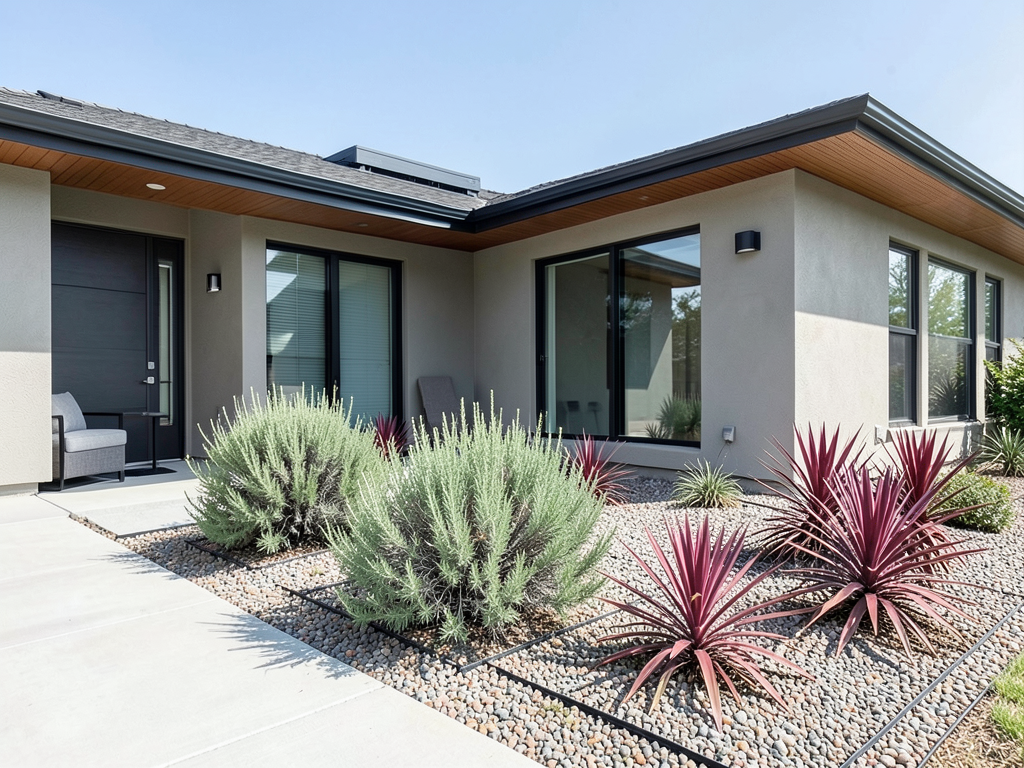
Texas Sage (Leucophyllum frutescens) stands out as the perfect AC companion. This silvery-gray shrub grows 4-6 feet tall and wide, producing purple blooms after summer rains. The leaves are small and leathery, meaning minimal debris. Texas Sage thrives in full sun and poor soil, making it ideal for the hot, dry conditions around your condenser.
Red Yucca (Hesperaloe parviflora) provides architectural interest with its arching, grass-like leaves and tall flower spikes. Growing 3-4 feet tall, it produces coral-red blooms that attract hummingbirds but never drop messy petals. The plant’s succulent nature means no leaf litter to clog your unit’s fins.
Dwarf Yaupon Holly offers evergreen screening without the problems of larger hollies. This compact shrub reaches 3-4 feet tall and maintains its dense foliage year-round. Unlike traditional hollies, dwarf varieties produce minimal berries and have small, leathery leaves that won’t accumulate around your unit.
Consider Lantana for seasonal color. This tough perennial blooms continuously from spring through fall in shades of yellow, orange, and purple. While it does drop some spent flowers, the debris is minimal and easily managed. Lantana attracts butterflies and thrives in the reflected heat from your condenser.
Ornamental grasses like Gulf Muhly or Mexican Feathergrass provide movement and texture without debris issues. These clump-forming grasses grow 2-3 feet tall and produce feathery plumes in fall. They’re drought-tolerant and require only annual cutting back in late winter.
Ground Cover: Gravel vs. Mulch vs. River Rock
The ground around your AC unit deserves as much consideration as the plants themselves. In Austin’s expansive clay soil, proper ground cover prevents erosion and manages drainage while keeping the area tidy.
Gravel and decomposed granite offer the best combination of drainage and maintenance. These materials allow water to flow freely away from your foundation while preventing weed growth. Choose 3/4-inch river rock or decomposed granite that won’t get sucked into your unit’s fan. The light color also reflects heat, potentially improving efficiency.. Read more about Preventing AC Related Noise Complaints for Your Austin Short Term Rental.
Organic mulch might seem appealing, but it creates several problems around AC units. Wood mulch can attract termites and other pests that may damage your foundation. During heavy rains, mulch can wash into the unit and clog the drain pan. Cedar mulch, popular in Austin, produces fine particles that stick to condenser coils.
If you prefer mulch for aesthetic reasons, keep it at least 2 feet from the unit and use larger bark chunks rather than fine mulch. Pine straw can work in some situations, but it’s highly flammable and can blow into the unit during storms.
River rock provides excellent drainage and won’t wash away during Austin’s flash floods. The weight keeps it in place during high winds, and it doesn’t decompose or attract pests. Choose smooth, rounded stones that won’t damage your unit if accidentally kicked against it.
Creating Shade Without Restricting Airflow
Direct sun on your condenser can increase energy consumption by 10-15%. However, solid structures that block airflow are counterproductive. The solution lies in creating dappled shade that reduces heat gain without impeding ventilation.
Trellis systems with climbing vines offer an excellent compromise. Install a trellis 3-4 feet from the unit and train native vines like Crossvine or Carolina Jessamine. These plants provide seasonal shade while their open structure allows air movement. The vines also attract pollinators and add vertical interest to your landscape.
Lattice panels mounted on posts create effective screening while maintaining airflow. Position them to block the harshest afternoon sun while leaving the front and sides open for service access. Paint lattice in light colors to reflect heat rather than absorb it.
Consider strategic tree placement for long-term shade. Small ornamental trees like Mexican Plum or Texas Redbud can provide afternoon shade without growing large enough to interfere with the unit. Plant these 8-10 feet from the condenser, allowing for mature canopy spread.
Shade sails offer modern, adjustable shading options. These fabric panels can be positioned to block summer sun while allowing winter light to reach the unit. Choose breathable, UV-resistant materials that won’t trap heat around the condenser. Modern HVAC Solutions for Historic Homes in Tarrytown and Old West Austin.
Maintenance Access: The Forgotten Factor
Even the most beautiful landscaping becomes a problem if your HVAC technician can’t access your unit. Austin’s rapid growth means service calls often require quick response times, especially during summer emergencies when temperatures inside homes can reach dangerous levels within hours.
Design your landscape with a clear service path. This means a minimum 36-inch wide pathway from your property line to the unit, free of plants, rocks, or obstacles. Technicians need to roll equipment close to the unit and may need to lay down panels or tools during repairs. Emergency AC Repair Services for Homes in West Lake Hills.
Consider gate placement and width. A standard 36-inch gate might seem adequate, but technicians often carry bulky equipment. A 48-inch gate provides much better access and prevents damage to your landscaping during service calls.
Think about lighting for evening service calls. While not essential, solar path lights along the service route can help technicians work safely during after-hours emergencies. This is particularly important in Austin neighborhoods where homes sit close together and lighting is limited.
Document your landscaping layout with photos showing the clearance zones and service path. Share this with your HVAC company so they understand your setup before arriving for service. This preparation can save valuable time during emergency repairs. Local AC Repair and Cooling Experts in South Lamar and Barton Hills.
Local Austin Regulations and HOA Considerations
Austin’s unique climate and water conservation efforts influence landscaping choices around AC units. The City of Austin’s Landscape Code encourages xeriscaping and native plantings, which align perfectly with AC-friendly landscaping goals. City of Austin Landscape Code.
Many Austin neighborhoods have specific HOA regulations regarding utility visibility. Some require complete screening, while others mandate access for utility workers. Before planting, check your HOA guidelines and obtain any necessary approvals. Violations can result in fines or required removal of landscaping.
Consider Austin Energy’s energy conservation programs. While they don’t directly regulate AC landscaping, their initiatives promoting efficient cooling align with the goal of maintaining proper airflow around your unit. Some neighborhoods offer rebates for xeriscaping, which could offset your landscaping costs.
Fire safety regulations in Austin may affect your plant choices. The city’s wildland-urban interface code applies to certain areas, restricting flammable plants near structures. While your AC unit isn’t a structure, nearby plants could contribute to fire spread during our increasingly common wildfire seasons.
Water conservation is critical in Central Texas. Choose plants that thrive without supplemental irrigation once established. Many Austin water utilities offer free landscape design consultations focused on water efficiency, which can help you create an AC-friendly design that meets local conservation goals.
Pest Management for Texas Critters
Austin’s diverse ecosystem includes several pests that love to make homes in and around AC units. Fire ants build mounds that can block drainage and damage electrical components. Scorpions seek cool, dark spaces during summer heat. Even harmless creatures like lizards can cause issues by nesting in wiring compartments.
Choose plants that don’t attract pests to your AC area. Avoid flowering plants that produce nectar near the unit, as they attract bees and wasps that can build nests in the electrical compartments. Instead, focus on foliage plants that provide visual interest without attracting insects.
Consider physical barriers in your design. A gravel border around the planting bed creates a buffer zone that makes it harder for pests to reach the unit. Some homeowners install copper mesh or steel wool around entry points, as these materials deter rodents without affecting airflow.
Regular maintenance prevents pest problems. Keep the area around your unit free of leaf litter, standing water, and other debris that attracts insects. Trim plants to prevent them from touching the unit, as this creates bridges for pests to access the interior.
Professional pest control treatments around your AC unit can prevent infestations. Many Austin pest control companies offer specialized treatments for HVAC equipment that won’t damage the unit or surrounding plants. Schedule these treatments during spring before pest populations explode in summer heat. Fast and Professional Furnace Repair in Georgetown During the Winter Chill.
Seasonal Maintenance for Your AC Landscape
Austin’s climate demands year-round attention to your AC landscaping. Spring brings rapid growth and the need for pruning. Summer requires vigilance against heat stress and pest problems. Fall involves cleanup before winter, and even winter has its own maintenance requirements.
Spring maintenance should focus on pruning and inspection. Cut back ornamental grasses before new growth emerges. Check for winter damage on evergreen shrubs. Clear any debris that accumulated around the unit during winter storms. This is also the time to inspect for signs of rodent damage to wiring or insulation.
Summer demands the most attention. Monitor plants for heat stress and water deeply but infrequently to encourage deep root growth. Check weekly for weeds growing in gravel areas. After severe storms, inspect for broken branches or debris that might have blown into the unit. This is when proper plant selection pays off, as native plants typically handle summer stress better than exotics.
Fall brings leaf drop from nearby trees, even if your AC plants are evergreen. Schedule a thorough cleanup to prevent organic matter from decomposing around the unit and potentially clogging drainage systems. This is also the time to cut back any perennials that have finished their growing season.
Winter in Austin is mild but can include occasional freezes. Protect tender plants with frost cloth during cold snaps. Remove any holiday lighting or decorations that might interfere with spring maintenance. Check that mulch hasn’t washed away during winter rains and replenish as needed.
DIY vs. Professional Landscaping Around AC Units
Many homeowners successfully handle AC landscaping themselves, but understanding when to call professionals can save time and prevent costly mistakes. The decision often depends on your experience level, the complexity of your design, and local regulations.
DIY landscaping works well for simple designs using container plants or small shrubs. If you’re comfortable with basic gardening tasks and have time for regular maintenance, you can create an attractive AC screen without professional help. The key is researching plant sizes at maturity and understanding your soil conditions.
Professional landscapers bring expertise in design, plant selection, and installation that can prevent common mistakes. They understand how plants grow over time and can create a design that looks good now while planning for mature sizes. Professionals also know local regulations and can ensure your design complies with HOA rules.
Consider professional help if your design includes hardscaping elements like retaining walls, extensive rock work, or irrigation systems. These features require specialized knowledge and equipment. Also consider professionals if you have challenging site conditions like significant slope, poor drainage, or difficult soil.
Cost considerations vary widely. DIY landscaping might cost $200-500 for plants and materials, while professional installation can range from $1,500-5,000 depending on complexity. However, the cost of correcting mistakes from improper plant selection or installation can far exceed professional fees.
Time investment is another factor. Professional installation typically completes in 1-2 days, while DIY projects often stretch over weekends or evenings for weeks. Consider your schedule and whether you want to spend your free time on landscaping versus enjoying your outdoor spaces.. Read more about Why Your Outdoor Kitchen and Grill Might Be Overheating Your AC Unit.
Cost Analysis and ROI of AC Landscaping
Investing in proper AC landscaping can provide significant returns through improved efficiency and extended equipment life. While the upfront costs might seem high, the long-term savings often justify the investment.
Initial landscaping costs typically range from $300-2,000 depending on plant selection and design complexity. Native plants, while sometimes more expensive initially, often cost less over time due to reduced water and maintenance needs. Consider this an investment in your home’s efficiency rather than pure landscaping expense.
Energy savings can offset landscaping costs within 2-3 years. Proper airflow and shading can improve AC efficiency by 5-15%, translating to $50-150 in annual savings for typical Austin homes. Over a 15-year equipment life, this represents $750-2,250 in energy savings.
Extended equipment life provides additional savings. An AC unit that runs efficiently in proper conditions typically lasts 2-3 years longer than one struggling with restricted airflow or excessive heat. Given that replacement costs $3,000-7,000, this represents significant savings.
Property value impacts should also factor into your calculations. Well-designed landscaping can increase home values by 5-15%, with energy-efficient features becoming increasingly important to buyers. Your AC landscaping contributes to this overall impression of a well-maintained, efficient home.
Maintenance costs vary by design. Native plant landscapes typically require $100-300 annually for pruning and occasional replacement, compared to $200-500 for more traditional landscapes. The reduced water needs of native plants also provide ongoing savings in Austin’s tiered water rate system.
Emergency Considerations During AC Failures
When your AC fails during Austin’s summer heat, every minute matters. Your landscaping design can either help or hinder emergency repairs, potentially affecting how quickly you get relief from the heat.
Clear access paths become critical during emergencies. If your service panel is blocked by overgrown plants or difficult-to-move decorative elements, technicians may waste valuable time clearing the area. This delay can mean hours of additional heat exposure for your family.
Consider temporary shade solutions for emergency situations. Portable shade canopies or umbrellas can provide immediate relief for technicians working on your unit during midday repairs. These don’t replace permanent landscaping but offer flexibility during service calls.
Document your system layout and landscaping design. Keep photos showing the clearance zones, service panel locations, and any special features like irrigation lines or lighting. Share this information with your HVAC company so they understand your setup before arriving for emergency service.
Have a backup plan for severe weather emergencies. Austin’s occasional hailstorms can damage both your AC unit and surrounding landscaping. Consider protective covers for your unit and easily movable potted plants that can be brought indoors during severe weather warnings.
Communication with your HVAC provider about your landscaping can prevent misunderstandings during service calls. Let them know about any recent changes to your yard design or any concerns you have about accessing the unit. This preparation can significantly reduce service time during emergencies.
Technology Integration with Smart Landscaping
Modern technology offers new ways to optimize your AC landscaping for both efficiency and convenience. Smart irrigation systems, soil sensors, and even weather monitoring can help you maintain the perfect balance between aesthetics and functionality.
Smart irrigation controllers can dramatically reduce water usage while keeping your AC landscaping healthy. These systems adjust watering based on weather forecasts, soil moisture levels, and plant types. In Austin’s climate, this can reduce water consumption by 30-50% while ensuring your plants survive summer heat.
Soil moisture sensors placed in your planting beds provide real-time data about water needs. This prevents both overwatering and underwatering, which can stress plants and affect their ability to provide proper screening. Some advanced systems can even alert you when plants need pruning or show signs of disease.
Weather monitoring stations can help you anticipate maintenance needs. Austin’s rapidly changing weather means conditions around your AC unit can shift quickly. Smart systems can notify you of approaching storms, high pollen counts, or extreme heat that might require immediate attention to your landscaping.
Security integration offers additional benefits. Motion sensors and cameras can monitor the area around your AC unit for unauthorized access or wildlife intrusion. This is particularly valuable in Austin neighborhoods where copper theft from AC units has been a problem.
Energy monitoring systems can help you track the impact of your landscaping improvements. Some smart thermostats and energy monitors can show you how changes to your AC surroundings affect system efficiency, helping you optimize your design over time.
Common Mistakes to Avoid
Even well-intentioned homeowners make mistakes when landscaping around AC units. Understanding these common pitfalls can save you time, money, and frustration while ensuring your system operates efficiently.
Planting too close to the unit is the most frequent error. Many people underestimate how large plants will grow or don’t account for the required clearance zones. A shrub that looks perfect when planted at 18 inches from the unit can quickly outgrow that space and restrict airflow.
Choosing the wrong plants for Austin’s climate is another common mistake. Tropical plants that look appealing in nurseries often struggle in our intense summer heat and may require excessive water or maintenance. Stick with native and adapted plants that have proven themselves in Central Texas conditions.
Ignoring mature plant sizes leads to constant pruning and maintenance headaches. Research how large each plant will grow and space them accordingly. It’s better to have some empty space initially than to constantly battle overgrown plants that threaten your AC’s efficiency.
Overlooking drainage issues can cause serious problems. Austin’s clay soil and occasional heavy rains require careful consideration of how water flows around your AC unit. Poor drainage can lead to standing water that attracts pests, promotes mold growth, and potentially damages your foundation.
Failing to plan for service access is a critical oversight. Even the most beautiful landscaping becomes a liability if technicians can’t easily access your unit for repairs or maintenance. Always maintain clear pathways and ensure service panels remain easily accessible.
Using inappropriate ground cover materials can create more problems than they solve. Fine mulch can blow into the unit, while certain types of rock can damage the unit if kicked against it. Choose materials specifically suited for AC surroundings.
Neglecting regular maintenance leads to gradual problems that reduce efficiency over time. Even low-maintenance native plants need occasional pruning, and the area around your unit requires regular cleaning to prevent debris accumulation.
Before and After: Real Austin Transformations
Seeing successful AC landscaping projects can provide inspiration and practical ideas for your own home. Here are some real examples from Austin neighborhoods that demonstrate effective approaches to hiding AC units while maintaining efficiency.
In a Mueller neighborhood home, the transformation involved replacing a solid wooden fence with a combination of Texas Sage and ornamental grasses. The before picture showed a heat-absorbing fence that restricted airflow, while the after installation featured drought-tolerant plants that provided screening while allowing air movement. Energy bills decreased by approximately 8% after the change.
A Barton Hills property replaced overgrown holly bushes that had grown against the unit with a carefully planned design using Red Yucca and Gulf Muhly grass. The previous landscaping had caused multiple service calls due to restricted airflow. The new design not only improved efficiency but also reduced maintenance requirements significantly.
In Tarrytown, a historic home’s AC unit was screened using a combination of lattice panels and climbing native vines. The lattice provided immediate screening while the vines established themselves over time. This approach maintained the home’s historic character while meeting modern efficiency needs.
A Westlake home demonstrated the impact of proper ground cover selection. Replacing wood mulch with decomposed granite not only improved drainage but also reduced pest problems and made the area easier to maintain. The light-colored gravel also helped reflect heat away from the unit.
These transformations show that effective AC landscaping balances multiple factors: aesthetics, efficiency, maintenance requirements, and local climate conditions. The most successful designs are those that consider all these elements from the beginning.
Frequently Asked Questions
How far should plants be from my AC unit?
Maintain at least 2-3 feet of clearance on all sides of your AC unit. This allows for proper airflow, which is essential for efficiency and preventing overheating. Measure from the unit’s outer casing, not from any protruding components. Geothermal Heating & Cooling.
Can I plant trees near my AC condenser?
Yes, but choose small ornamental trees and plant them 8-10 feet away from the unit. Good options include Texas Redbud or Mexican Plum. Avoid large trees that will grow over the unit or drop significant debris.
What’s the best ground cover for around an AC unit?
Decomposed granite or 3/4-inch river rock are ideal choices. They provide excellent drainage, don’t attract pests, and won’t wash into the unit during heavy rains. Avoid fine mulch or organic materials that can clog the system.
Will landscaping around my AC unit void my warranty?
Not if you maintain proper clearance and access. Most manufacturers require 2-3 feet of clearance for warranty coverage. Always keep service panels accessible and don’t block airflow. Document your landscaping layout for future service technicians.
How do I handle AC landscaping in small yards?
In tight spaces, focus on vertical screening using trellises with climbing vines or tall, narrow plants like ornamental grasses. Consider container plants that can be moved for service access. Even in small yards, maintaining proper clearance is essential.
What plants should I avoid near my AC unit?
Avoid plants that drop significant debris (like pine trees, large-leaf deciduous trees), attract excessive insects, or grow aggressively. Also avoid plants that require frequent pruning or produce thorns near service access points.
How often should I clean around my AC unit?
Inspect the area monthly during growing season and clean as needed. Remove fallen leaves, trim plants that are encroaching on clearance zones, and check for signs of pest activity. A thorough cleaning twice yearly (spring and fall) is usually sufficient.
Can I use artificial plants for AC screening?
While artificial plants won’t drop debris, they can trap heat and don’t provide the same aesthetic benefits as living plants. If you choose artificial options, ensure they’re UV-resistant and won’t melt or degrade in the intense Texas sun.
How do I protect my AC unit during landscaping installation?
Cover the unit with a breathable fabric during installation to protect it from dust and debris. Be careful when digging near the unit to avoid damaging refrigerant lines or electrical connections. Consider having your HVAC technician present during major landscaping changes.
What’s the best way to hide above-ground refrigerant lines?
Use decorative covers or paint the lines to match your home’s exterior. Some homeowners create small planter boxes that conceal the lines while maintaining access for maintenance. Never bury refrigerant lines, as this can cause serious system problems.
Final Thoughts: Creating the Perfect AC Landscape
Successful AC landscaping in Austin requires balancing multiple competing factors: aesthetics, efficiency, maintenance requirements, and local climate conditions. The best designs are those that consider all these elements from the beginning rather than trying to retrofit solutions later.
Remember that your AC unit is a critical component of your home’s comfort system. While hiding it with attractive landscaping is desirable, never compromise its ability to function efficiently. The 2-3 foot clearance rule isn’t arbitrary—it’s based on the physics of heat exchange and the specific demands of Central Texas summers.
Start with a clear plan that includes proper spacing, appropriate plant selection, and consideration for future maintenance needs. Choose native and adapted plants that thrive in Austin’s conditions without requiring excessive water or care. Pay attention to ground cover materials and drainage to prevent problems before they start.
Consider your long-term goals. Are you planning to stay in your home for many years? If so, invest in larger plants that will provide immediate screening while planning for their mature sizes. If you might sell soon, focus on low-maintenance designs that appeal to a broad range of buyers.
Don’t forget about the human element. Your AC landscaping should create an attractive outdoor space that you enjoy, not just a functional screen for equipment. Incorporate seating areas, pathways, or other features that make the space inviting while still protecting your system’s efficiency.
Finally, be prepared to adjust your design over time. Plants grow, conditions change, and your needs may evolve. Regular evaluation and minor adjustments will keep your AC landscaping functioning optimally for years to come.
Ready to transform your AC area into a beautiful, efficient landscape? Call (737) 316-0777 today to schedule a consultation with our HVAC experts. We’ll help you design the perfect solution for your home’s specific needs and ensure your system runs at peak efficiency all summer long.
Don’t wait until your AC struggles in the summer heat. Pick up the phone and call (737) 316-0777 before the next heat wave hits. Our team understands the unique challenges of Austin’s climate and can help you create a landscape that’s both beautiful and functional.
You may also find this helpful. Why Your Dryer Vent Is Secretly Killing Your AC Performance.
{
“@context”: “https://schema.org”,
“@type”: “BlogPosting”,
“headline”: “The Best Austin Friendly Plants to Hide Your AC Unit Without Killing It”,
“description”: “Discover the best Austin native plants to hide your AC unit while protecting airflow and efficiency. Expert landscaping tips for Central Texas homeowners.”,
“wordCount”: 4340,
“datePublished”: “2026-06-03T15:16:00.000Z”,
“dateModified”: “2026-06-03T15:16:00.000Z”,
“inLanguage”: “en-US”,
“mainEntityOfPage”: {
“@type”: “WebPage”,
“@id”: “https://allprohvacaustin.com”
},
“publisher”: {
“@type”: “LocalBusiness”,
“name”: “All Pro HVAC Austin”,
“url”: “https://allprohvacaustin.com”
},
“author”: {
“@type”: “Organization”,
“name”: “All Pro HVAC Austin”,
“url”: “https://allprohvacaustin.com”
},
“image”: {
“@type”: “ImageObject”,
“url”: “https://allprohvacaustin.com/wp-content/uploads/2026/03/the-best-austin-friendly-plants-to-hide-your-ac-un-1.png”
}
}
{
“@context”: “https://schema.org”,
“@type”: “HVACBusiness”,
“name”: “All Pro HVAC Austin”,
“url”: “https://allprohvacaustin.com”,
“address”: {
“@type”: “PostalAddress”,
“addressLocality”: “Austin”
},
“areaServed”: {
“@type”: “City”,
“name”: “Austin”
}
}
{
“@context”: “https://schema.org”,
“@type”: “FAQPage”,
“mainEntity”: [
{
“@type”: “Question”,
“name”: “How far should plants be from my AC unit?”,
“acceptedAnswer”: {
“@type”: “Answer”,
“text”: “Maintain at least 2-3 feet of clearance on all sides of your AC unit. This allows for proper airflow, which is essential for efficiency and preventing overheating. Measure from the unit’s outer casing, not from any protruding components. Geothermal Heating & Cooling.”
}
},
{
“@type”: “Question”,
“name”: “Can I plant trees near my AC condenser?”,
“acceptedAnswer”: {
“@type”: “Answer”,
“text”: “Yes, but choose small ornamental trees and plant them 8-10 feet away from the unit. Good options include Texas Redbud or Mexican Plum. Avoid large trees that will grow over the unit or drop significant debris.”
}
},
{
“@type”: “Question”,
“name”: “What’s the best ground cover for around an AC unit?”,
“acceptedAnswer”: {
“@type”: “Answer”,
“text”: “Decomposed granite or 3/4-inch river rock are ideal choices. They provide excellent drainage, don’t attract pests, and won’t wash into the unit during heavy rains. Avoid fine mulch or organic materials that can clog the system.”
}
},
{
“@type”: “Question”,
“name”: “Will landscaping around my AC unit void my warranty?”,
“acceptedAnswer”: {
“@type”: “Answer”,
“text”: “Not if you maintain proper clearance and access. Most manufacturers require 2-3 feet of clearance for warranty coverage. Always keep service panels accessible and don’t block airflow. Document your landscaping layout for future service technicians.”
}
},
{
“@type”: “Question”,
“name”: “How do I handle AC landscaping in small yards?”,
“acceptedAnswer”: {
“@type”: “Answer”,
“text”: “In tight spaces, focus on vertical screening using trellises with climbing vines or tall, narrow plants like ornamental grasses. Consider container plants that can be moved for service access. Even in small yards, maintaining proper clearance is essential.”
}
},
{
“@type”: “Question”,
“name”: “What plants should I avoid near my AC unit?”,
“acceptedAnswer”: {
“@type”: “Answer”,
“text”: “Avoid plants that drop significant debris (like pine trees, large-leaf deciduous trees), attract excessive insects, or grow aggressively. Also avoid plants that require frequent pruning or produce thorns near service access points.”
}
},
{
“@type”: “Question”,
“name”: “How often should I clean around my AC unit?”,
“acceptedAnswer”: {
“@type”: “Answer”,
“text”: “Inspect the area monthly during growing season and clean as needed. Remove fallen leaves, trim plants that are encroaching on clearance zones, and check for signs of pest activity. A thorough cleaning twice yearly (spring and fall) is usually sufficient.”
}
},
{
“@type”: “Question”,
“name”: “Can I use artificial plants for AC screening?”,
“acceptedAnswer”: {
“@type”: “Answer”,
“text”: “While artificial plants won’t drop debris, they can trap heat and don’t provide the same aesthetic benefits as living plants. If you choose artificial options, ensure they’re UV-resistant and won’t melt or degrade in the intense Texas sun.”
}
},
{
“@type”: “Question”,
“name”: “How do I protect my AC unit during landscaping installation?”,
“acceptedAnswer”: {
“@type”: “Answer”,
“text”: “Cover the unit with a breathable fabric during installation to protect it from dust and debris. Be careful when digging near the unit to avoid damaging refrigerant lines or electrical connections. Consider having your HVAC technician present during major landscaping changes.”
}
},
{
“@type”: “Question”,
“name”: “What’s the best way to hide above-ground refrigerant lines?”,
“acceptedAnswer”: {
“@type”: “Answer”,
“text”: “Use decorative covers or paint the lines to match your home’s exterior. Some homeowners create small planter boxes that conceal the lines while maintaining access for maintenance. Never bury refrigerant lines, as this can cause serious system problems.”
}
}
]
}
{
“@context”: “https://schema.org”,
“@type”: “BreadcrumbList”,
“itemListElement”: [
{
“@type”: “ListItem”,
“position”: 1,
“name”: “Home”,
“item”: “https://allprohvacaustin.com”
},
{
“@type”: “ListItem”,
“position”: 2,
“name”: “Blog”,
“item”: “https://allprohvacaustin.com/blog”
},
{
“@type”: “ListItem”,
“position”: 3,
“name”: “The Best Austin Friendly Plants to Hide Your AC Unit Without Killing It”
}
]
}
{
“@context”: “https://schema.org”,
“@type”: “Service”,
“serviceType”: “HVAC”,
“provider”: {
“@type”: “LocalBusiness”,
“name”: “All Pro HVAC Austin”,
“url”: “https://allprohvacaustin.com”
},
“areaServed”: {
“@type”: “City”,
“name”: “Austin”
},
“description”: “Discover the best Austin native plants to hide your AC unit while protecting airflow and efficiency. Expert landscaping tips for Central Texas homeowners.”
}