
Creating a ‘safe breathing zone’ in your home during Texas wildfire season
Wildfire smoke can travel hundreds of miles and turn Austin’s normally clear skies into a health hazard. The tiny particles in smoke can penetrate deep into your lungs and even enter your bloodstream. Creating a safe breathing zone in your home means more than just closing windows. It requires the right filtration technology to capture microscopic smoke particles and remove harmful chemicals from your indoor air.
During Texas wildfire season Austin’s air quality can drop to dangerous levels even when fires burn hundreds of miles away. The Austin-Travis County Health Authority monitors air quality using the Air Quality Index (AQI) and levels above 100 mean sensitive groups should limit outdoor exposure. With the right HVAC system upgrades you can maintain healthy indoor air quality even when outdoor conditions are hazardous.
Understanding wildfire smoke and its health risks
Wildfire smoke contains a complex mixture of gases and fine particles produced when wood and other organic materials burn. The biggest health threat comes from microscopic particles known as PM2.5. These particles are 2.5 microns or smaller – about 30 times smaller than the width of a human hair. PM2.5 particles can bypass your body’s natural defenses and penetrate deep into your lungs.
Short-term exposure to wildfire smoke can cause immediate health effects like coughing wheezing shortness of breath and eye irritation. People with asthma COPD or heart disease face higher risks. Even healthy adults can experience reduced lung function and increased inflammation. The EPA has linked PM2.5 exposure to increased hospital admissions and emergency room visits during wildfire events. EPA AirNow air quality monitoring.
Wildfire smoke also contains volatile organic compounds (VOCs) that create the distinctive smoky odor. These chemicals can cause headaches dizziness and long-term health effects with repeated exposure. Carbon monoxide another component of smoke can build up to dangerous levels in enclosed spaces. Creating a safe breathing zone means addressing both particulate matter and chemical pollutants.
Why standard HVAC filters fail during smoke events
Most standard HVAC filters are designed to capture dust pollen and larger particles. A typical fiberglass filter has a MERV rating of 1-4 which means it can only trap particles larger than 10 microns. Wildfire smoke particles are much smaller than this – most PM2.5 particles fall between 0.1 and 2.5 microns in diameter.
Standard filters also have low dust-holding capacity meaning they clog quickly during high-pollution events. When a filter becomes overloaded your HVAC system may bypass it entirely allowing unfiltered air to circulate through your home. The pressure drop across a clogged filter can also reduce airflow and strain your system’s blower motor.
Another limitation of standard filters is their inability to capture gases and odors. Smoke contains hundreds of different chemical compounds many of which are gases at room temperature. These VOCs pass right through mechanical filters designed only for particle capture. Without activated carbon or other chemical filtration your home will continue to smell like smoke even if the visible particles are removed.
Advanced filtration solutions for smoke protection
Creating an effective safe breathing zone requires multiple layers of filtration. The first line of defense is a high-efficiency mechanical filter with a MERV rating of 13 or higher. MERV 13 filters can capture particles as small as 0.3 microns with 90% efficiency. MERV 16 filters go even further capturing 95% of particles in the 0.3-1.0 micron range.
Mechanical filtration alone cannot address the gaseous components of smoke. Activated carbon filters use a bed of activated charcoal to adsorb VOCs and odors. The carbon has a massive surface area – one gram can have over 500 square meters of surface area. Smoke molecules stick to this surface through chemical attraction removing them from your air.
Electronic air cleaners provide another layer of protection. These devices use electrostatic attraction to charge particles and collect them on oppositely charged plates. Some models combine electronic filtration with mechanical filters for comprehensive protection. The charged plates can capture particles as small as 0.01 microns well below the size of most smoke particles.
UV-C germicidal lamps can be added to your system to neutralize airborne pathogens and break down some chemical pollutants. While UV light doesn’t directly remove smoke particles it can help reduce the biological components that often accompany smoke such as mold spores and bacteria that thrive in the moisture that smoke carries.
Whole-home vs. portable air purification
Portable air purifiers can provide temporary relief but have significant limitations. Most portable units are designed for single rooms and cannot effectively clean air throughout an entire home. To achieve the same air changes per hour as a whole-home system you would need multiple portable units running continuously which becomes expensive and creates noise issues.
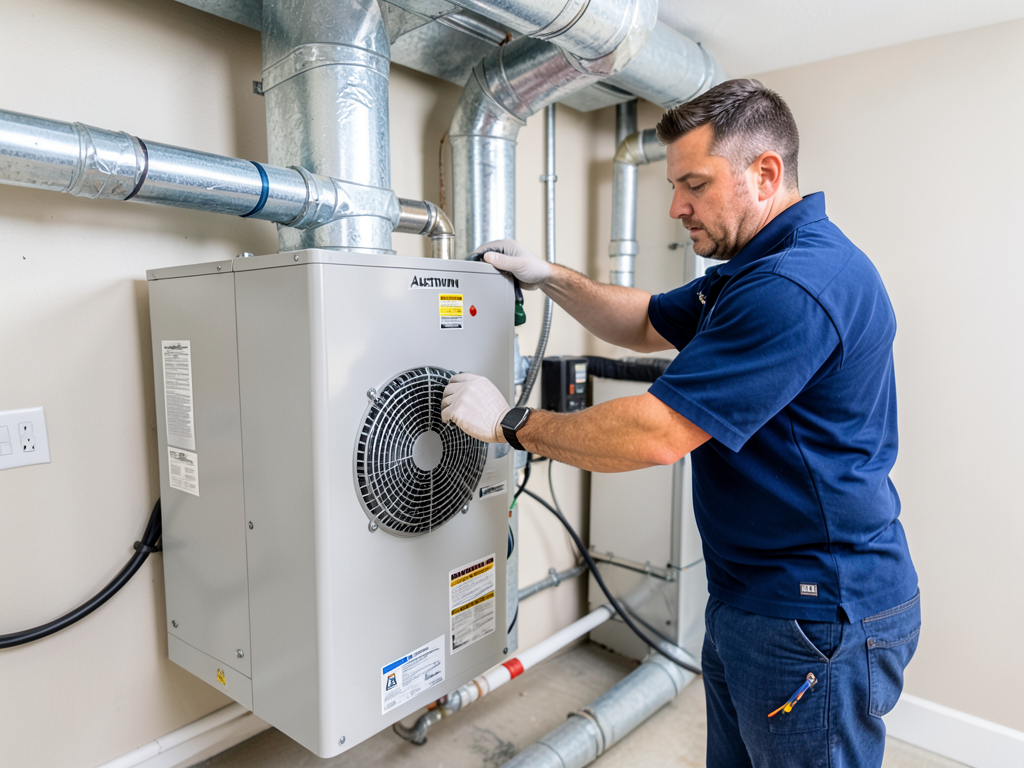
Whole-home air purification systems integrate directly with your existing HVAC equipment. These systems filter all the air that passes through your ductwork providing consistent protection in every room. Installation by a qualified HVAC technician ensures proper sizing and integration with your existing equipment. Emergency Ductwork Repair.
Cost considerations favor whole-home systems for long-term use. While portable units might cost $200-500 each you would need 3-5 units to match the coverage of a whole-home system. Professional installation of integrated filtration typically ranges from $800-3000 depending on the technology and your home’s configuration. Fast and Professional Furnace Repair in Georgetown During the Winter Chill.
Maintenance is also simpler with whole-home systems. Instead of replacing multiple portable filters every few months you service a single integrated system annually. This reduces both the hassle and the long-term cost of maintaining clean indoor air during smoke events.
Top air purification technologies for Austin homes
The Lennox PureAir system combines MERV 16 filtration with activated carbon and UV-C technology in a single unit. This system can remove 99.9% of particles including those as small as 0.3 microns. The carbon filter addresses VOCs and odors while the UV-C light helps control biological growth on the filter surface.
iWave-R uses needle-point bi-polar ionization to create equal amounts of positive and negative ions. These ions break down pollutants into harmless compounds like oxygen carbon dioxide and water vapor. The technology also causes particles to clump together making them easier for your existing filter to capture. iWave-R installs directly in your air handler with no maintenance required.
REME HALO uses reflective electromagnetic energy to produce hydro-peroxide plasma that circulates through your home. This plasma actively seeks out and neutralizes pollutants rather than waiting for them to pass through a filter. The system also uses ionization to charge particles causing them to stick to surfaces or be captured by your filter.
Aprilaire whole-home air purifiers offer various models ranging from MERV 13 to MERV 16 filtration. These units install in your return air duct and can handle airflow rates from 1400 to 5000 CFM making them suitable for homes of any size. The self-sealing filter racks prevent air bypass ensuring all air passes through the filtration media.
Installation and integration with existing HVAC systems
Professional installation is critical for effective smoke filtration. An HVAC technician will first evaluate your existing system’s static pressure and airflow capacity. Adding high-efficiency filtration increases resistance to airflow and your system must be able to handle this additional load without reducing performance.
The installation process typically involves cutting into your return air duct and mounting the new filtration equipment. For systems like iWave-R installation occurs directly in the air handler housing. The technician will also need to modify your control wiring to ensure the air purification system operates whenever your HVAC fan runs.
Proper sizing ensures your system can handle the additional static pressure. A professional will calculate the pressure drop across your new filter and verify that your blower can maintain adequate airflow. If necessary they may recommend upgrading your blower motor or modifying your ductwork to accommodate the new equipment.
Integration with smart home systems is often possible. Many modern air purification systems offer Wi-Fi connectivity and smartphone apps that let you monitor filter life air quality and system performance. Some systems can automatically increase fan speed when they detect poor air quality providing enhanced protection during smoke events. Modern HVAC Solutions for Historic Homes in Tarrytown and Old West Austin.
Maintenance requirements during smoke events
Smoke events create unique maintenance challenges. The high concentration of particles means filters clog much faster than during normal operation. A MERV 13 filter that typically lasts 3-6 months might need replacement every 2-4 weeks during heavy smoke. Monitoring pressure drop across your filter helps determine when replacement is needed.
Activated carbon filters have limited capacity for chemical adsorption. Once the carbon becomes saturated with smoke molecules it can no longer remove VOCs and odors. These filters may need replacement every few weeks during prolonged smoke events even if the pressure drop indicates the mechanical filter is still functional.
Electronic air cleaners require regular cleaning of collection plates. Smoke particles can build up on these plates reducing their effectiveness and potentially causing arcing. Most manufacturers recommend cleaning every 2-4 weeks during smoke events using only the cleaning solutions specified in their maintenance instructions.
UV-C lamps gradually lose intensity over time. While they typically last 9-12 months under normal conditions the increased biological load during smoke events may reduce their effective life. Many systems include UV intensity monitors that alert you when replacement is needed.
Austin’s unique air quality challenges
Austin faces multiple air quality threats beyond distant wildfires. The Central Texas region experiences controlled burns during certain seasons creating local smoke events. These prescribed burns are essential for forest management but can significantly impact air quality in nearby communities especially when weather conditions trap smoke near the ground. Local AC Repair and Cooling Experts in South Lamar and Barton Hills.
Cedar fever season in Central Texas creates its own air quality challenges. The Ashe juniper trees that cause cedar fever release pollen that can travel for miles and create respiratory irritation similar to smoke exposure. Many Austin residents find that air purification systems effective against smoke also help reduce cedar fever symptoms.
Urban construction and traffic contribute to Austin’s year-round particulate pollution. The city’s rapid growth means constant construction activity which generates dust and other airborne particles. Combined with our hot dry summers these factors create a baseline air quality challenge that smoke events can quickly overwhelm.
The Austin Public Health Department and the Capital Area Council of Governments operate air quality monitoring stations throughout the region. These stations provide real-time AQI data that helps residents make informed decisions about outdoor activities. During smoke events they also issue health advisories and provide guidance on protective measures.
Cost-benefit analysis of smoke protection systems
The initial investment in whole-home air purification typically ranges from $1200 to $3500 installed depending on the technology and your home’s configuration. While this represents a significant upfront cost the long-term benefits extend beyond smoke protection to include year-round improvement in indoor air quality.
Medical cost savings provide one compelling argument for investment. Reduced respiratory symptoms can mean fewer doctor visits less medication and fewer missed work days. For families with asthma or other respiratory conditions these savings can be substantial. Some studies suggest that effective air purification can reduce asthma-related medical costs by 20-30%.
Property protection offers another benefit. Smoke particles can penetrate deep into your home’s materials requiring expensive cleaning or replacement of carpets upholstery and even drywall in severe cases. A good filtration system prevents this contamination potentially saving thousands in post-smoke cleanup costs.
Energy efficiency impacts vary by system. High-efficiency filters can actually improve your HVAC system’s performance by keeping internal components cleaner. However filters with very high MERV ratings can increase energy consumption if your system isn’t properly sized for the additional static pressure. A professional evaluation helps optimize this balance.
Creating your emergency smoke response plan
Developing a comprehensive plan before smoke arrives helps you respond quickly when air quality deteriorates. Start by identifying the most vulnerable household members – those with respiratory conditions young children elderly family members and pregnant women. These individuals may need to evacuate to cleaner air locations during severe events.
Stock essential supplies including N95 respirator masks HEPA portable air purifiers for bedrooms and extra filters for your HVAC system. Keep a supply of filters on hand so you can replace them immediately when needed. Consider creating a “clean room” – a bedroom or other space where you can concentrate your air purification efforts.
Monitor air quality using reliable sources like the EPA’s AirNow website or the Austin Public Health air quality alerts. Many weather apps now include AQI information but during smoke events dedicated air quality apps provide more detailed and timely information. Set up alerts to notify you when AQI levels reach thresholds that require action. EPA’s guide to smoke health effects.
Establish communication plans with family members especially if some work or attend school outside the home. Agree on triggers for staying home when to use masks outdoors and where to go if indoor air quality becomes unsafe. Having these decisions made in advance reduces stress during actual events.
Emergency Smoke Response Plan
When smoke hits Austin you need a clear action plan. Here’s what to do step by step:
- Check current AQI levels on AirNow.gov or the Austin Public Health website
- Close all windows and doors immediately to prevent smoke infiltration
- Turn on your whole-home air purification system if you have one
- If you don’t have whole-home filtration run portable HEPA purifiers in bedrooms
- Replace HVAC filters if they’re more than 30 days old or show visible discoloration
- Monitor indoor air quality with a portable AQI monitor if available
- Stay hydrated to help your body process any smoke particles you’ve already inhaled
- Keep vulnerable family members in the most filtered room of your home
- Have N95 masks ready for any essential outdoor trips
- Know your evacuation routes to cleaner air locations like San Antonio or Houston
Frequently Asked Questions
How do I know if my current filter is adequate for smoke protection?
Check your filter’s MERV rating – anything below MERV 13 is inadequate for smoke particles. Also examine the filter’s thickness and surface area. Standard 1-inch filters clog quickly during smoke events. If your home still smells like smoke when doors and windows are closed your filtration is insufficient.
Can I install high-efficiency filters myself?
While you can replace filters yourself upgrading to a whole-home air purification system requires professional installation. These systems must be properly sized for your HVAC equipment and incorrect installation can reduce efficiency or damage your system. Professional installation also ensures you maintain any manufacturer warranties.
How much do replacement filters cost during smoke season?
High-quality MERV 13-16 replacement filters typically cost $30-80 each compared to $5-15 for standard filters. During heavy smoke events you might need 2-4 replacements per month increasing your annual filter costs from $60-180 to $300-1000. However this is minimal compared to potential medical costs or property damage.
Will air purification eliminate all smoke odors?
High-quality systems with activated carbon can remove most smoke odors but complete elimination depends on several factors. The intensity and duration of smoke exposure your home’s air tightness and the specific pollutants involved all affect results. In severe cases you might need additional odor removal treatments for porous materials.
How long does installation take?
Most whole-home air purification installations can be completed in 2-4 hours by an experienced technician. The process involves evaluating your existing system making any necessary modifications installing the new equipment and testing the complete system. Some advanced systems might require additional time for integration with smart home controls.
Take action to protect your family’s health
Wildfire smoke poses serious health risks that extend far beyond temporary discomfort. The microscopic particles and chemical compounds in smoke can cause both immediate and long-term health effects particularly for vulnerable individuals. Creating a safe breathing zone in your home requires more than just closing windows – it demands proper filtration technology specifically designed to capture smoke particles and remove harmful chemicals.
Don’t wait until the next smoke event to discover your home’s air quality is inadequate. Professional evaluation of your current HVAC system can identify weaknesses in your smoke protection and recommend solutions tailored to your home’s specific needs. Modern air purification technology offers multiple options ranging from simple filter upgrades to comprehensive whole-home systems.
The investment in proper smoke protection pays dividends through improved year-round air quality potential medical cost savings and protection of your home’s interior. With Austin’s growing population and increasing wildfire risk the need for effective indoor air quality solutions will only become more critical in coming years.
Call (737) 316-0777 today to schedule your indoor air quality assessment. Our experienced technicians will evaluate your current system recommend appropriate upgrades and provide professional installation to ensure your family has a truly safe breathing zone during Texas wildfire season and beyond.
Pick up the phone and call (737) 316-0777 before the next smoke event hits. Your family’s respiratory health deserves professional protection and our team has the expertise to create the safe indoor environment you need during wildfire season.
You may also find this helpful. How to Manage HVAC Dust if You Live Near the Balcones Woods Construction.
{
“@context”: “https://schema.org”,
“@type”: “BlogPosting”,
“headline”: “Creating a ‘safe breathing zone’ in your home during Texas wildfire season”,
“description”: “Protect your family from Texas wildfire smoke with professional HVAC filtration. Learn about MERV ratings, activated carbon filters, and emergency response plans.”,
“wordCount”: 2851,
“datePublished”: “2026-04-09T15:06:00.000Z”,
“dateModified”: “2026-04-09T15:06:00.000Z”,
“inLanguage”: “en-US”,
“mainEntityOfPage”: {
“@type”: “WebPage”,
“@id”: “https://allprohvacaustin.com”
},
“publisher”: {
“@type”: “LocalBusiness”,
“name”: “All Pro HVAC Austin”,
“url”: “https://allprohvacaustin.com”
},
“author”: {
“@type”: “Organization”,
“name”: “All Pro HVAC Austin”,
“url”: “https://allprohvacaustin.com”
},
“image”: {
“@type”: “ImageObject”,
“url”: “https://allprohvacaustin.com/wp-content/uploads/2026/03/creating-a-safe-breathing-zone-in-your-home-during-1.png”
}
}
{
“@context”: “https://schema.org”,
“@type”: “HVACBusiness”,
“name”: “All Pro HVAC Austin”,
“url”: “https://allprohvacaustin.com”,
“address”: {
“@type”: “PostalAddress”,
“addressLocality”: “Austin”
},
“areaServed”: {
“@type”: “City”,
“name”: “Austin”
}
}
{
“@context”: “https://schema.org”,
“@type”: “FAQPage”,
“mainEntity”: [
{
“@type”: “Question”,
“name”: “How do I know if my current filter is adequate for smoke protection?”,
“acceptedAnswer”: {
“@type”: “Answer”,
“text”: “Check your filter’s MERV rating – anything below MERV 13 is inadequate for smoke particles. Also examine the filter’s thickness and surface area. Standard 1-inch filters clog quickly during smoke events. If your home still smells like smoke when doors and windows are closed your filtration is insufficient.”
}
},
{
“@type”: “Question”,
“name”: “Can I install high-efficiency filters myself?”,
“acceptedAnswer”: {
“@type”: “Answer”,
“text”: “While you can replace filters yourself upgrading to a whole-home air purification system requires professional installation. These systems must be properly sized for your HVAC equipment and incorrect installation can reduce efficiency or damage your system. Professional installation also ensures you maintain any manufacturer warranties.”
}
},
{
“@type”: “Question”,
“name”: “How much do replacement filters cost during smoke season?”,
“acceptedAnswer”: {
“@type”: “Answer”,
“text”: “High-quality MERV 13-16 replacement filters typically cost $30-80 each compared to $5-15 for standard filters. During heavy smoke events you might need 2-4 replacements per month increasing your annual filter costs from $60-180 to $300-1000. However this is minimal compared to potential medical costs or property damage.”
}
},
{
“@type”: “Question”,
“name”: “Will air purification eliminate all smoke odors?”,
“acceptedAnswer”: {
“@type”: “Answer”,
“text”: “High-quality systems with activated carbon can remove most smoke odors but complete elimination depends on several factors. The intensity and duration of smoke exposure your home’s air tightness and the specific pollutants involved all affect results. In severe cases you might need additional odor removal treatments for porous materials.”
}
},
{
“@type”: “Question”,
“name”: “How long does installation take?”,
“acceptedAnswer”: {
“@type”: “Answer”,
“text”: “Most whole-home air purification installations can be completed in 2-4 hours by an experienced technician. The process involves evaluating your existing system making any necessary modifications installing the new equipment and testing the complete system. Some advanced systems might require additional time for integration with smart home controls.”
}
}
]
}
{
“@context”: “https://schema.org”,
“@type”: “BreadcrumbList”,
“itemListElement”: [
{
“@type”: “ListItem”,
“position”: 1,
“name”: “Home”,
“item”: “https://allprohvacaustin.com”
},
{
“@type”: “ListItem”,
“position”: 2,
“name”: “Blog”,
“item”: “https://allprohvacaustin.com/blog”
},
{
“@type”: “ListItem”,
“position”: 3,
“name”: “Creating a ‘safe breathing zone’ in your home during Texas wildfire season”
}
]
}
{
“@context”: “https://schema.org”,
“@type”: “Service”,
“serviceType”: “HVAC”,
“provider”: {
“@type”: “LocalBusiness”,
“name”: “All Pro HVAC Austin”,
“url”: “https://allprohvacaustin.com”
},
“areaServed”: {
“@type”: “City”,
“name”: “Austin”
},
“description”: “Protect your family from Texas wildfire smoke with professional HVAC filtration. Learn about MERV ratings, activated carbon filters, and emergency response plans.”
}