
How to Manage HVAC Dust if You Live Near the Balcones Woods Construction
Living near the Balcones Woods construction zone means dealing with fine limestone dust that settles on every surface and finds its way into your HVAC system. This construction dust creates a constant battle for Austin homeowners, clogging filters faster than normal and reducing indoor air quality. The good news is that with the right filtration strategy and maintenance schedule, you can protect your home’s air quality without replacing your entire HVAC system.. Read more about Preparing Your Northwest Austin Home for Peak Allergy Season.
Understanding the Construction Dust Challenge in Balcones Woods
The limestone-rich soil in the Balcones Woods area creates a unique dust problem when disturbed by construction. Unlike regular household dust, this fine particulate matter contains calcium carbonate particles that are smaller than typical dust and can pass through standard filters. When construction crews excavate for new foundations near Balcones Woods Drive, the resulting dust cloud can travel several blocks, especially on windy days common in Central Texas.. Read more about Comparing MERV 8 and MERV 13 filters for high traffic North Lamar homes.
Construction dust enters your home through several pathways. The most common is through your HVAC system’s return air ducts, which create negative pressure that pulls in airborne particles. Windows and doors provide another entry point, especially in older Balcones Woods homes built before modern sealing standards. Even with windows closed, the fine dust can penetrate through tiny gaps around window frames and door thresholds. Modern HVAC Solutions for Historic Homes in Tarrytown and Old West Austin.
The impact on your HVAC system goes beyond just dirty filters. Construction dust accumulates on evaporator coils, reducing cooling efficiency by up to 30% according to the Department of Energy. This buildup forces your system to run longer cycles, increasing energy bills and wear on components. The dust also settles in ductwork, creating a breeding ground for mold when combined with the high humidity levels typical of Austin summers. EPA Indoor Air Quality Guidelines.
Testing Your Home’s Air Quality
Before implementing solutions, it helps to understand the current state of your indoor air. A simple test involves holding a white cloth near your return air vent for 30 minutes. If the cloth shows significant dust accumulation, your system is pulling in construction particles. For a more scientific approach, particle counters measure airborne particulates in microns, with construction dust typically ranging from 0.5 to 10 microns in size.. Read more about How to stop your HVAC system from spreading kitchen smells in your Bouldin Creek loft.
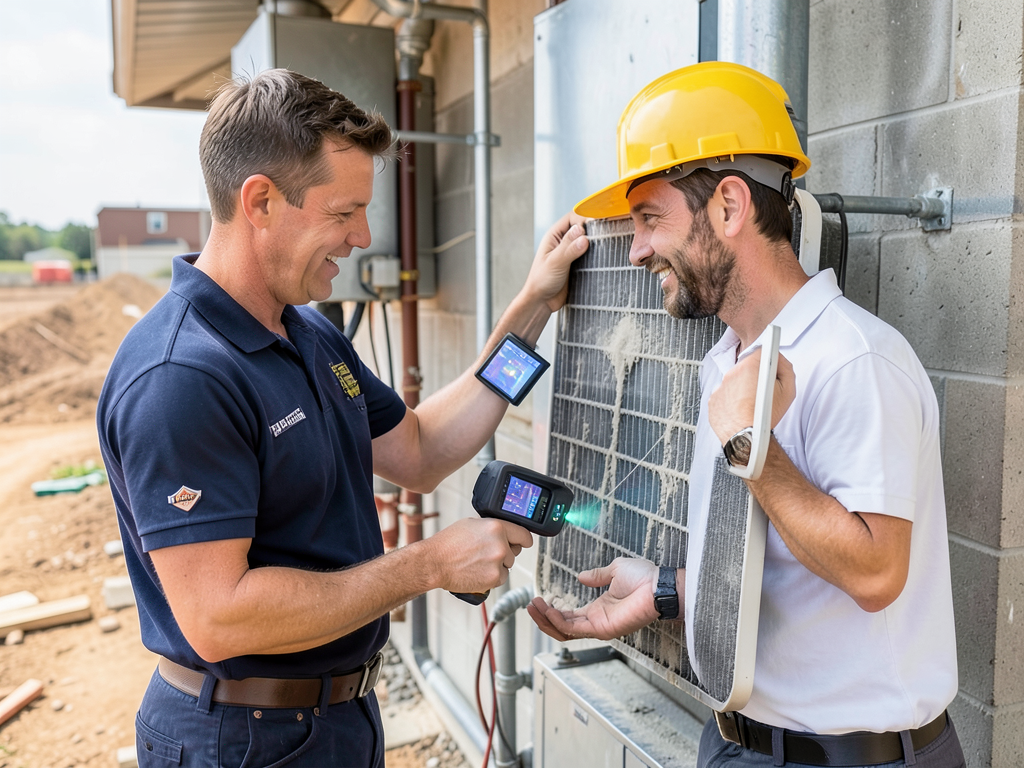
Professional HVAC technicians use thermal imaging cameras to detect temperature differences that indicate dust buildup on coils and in ductwork. They also perform static pressure tests to measure how much your system’s airflow is restricted by dust accumulation. These diagnostic tools reveal problems that aren’t visible to the naked eye but significantly impact system performance. Fast and Professional Furnace Repair in Georgetown During the Winter Chill.
Choosing the Right Air Filter for Construction Zone Living
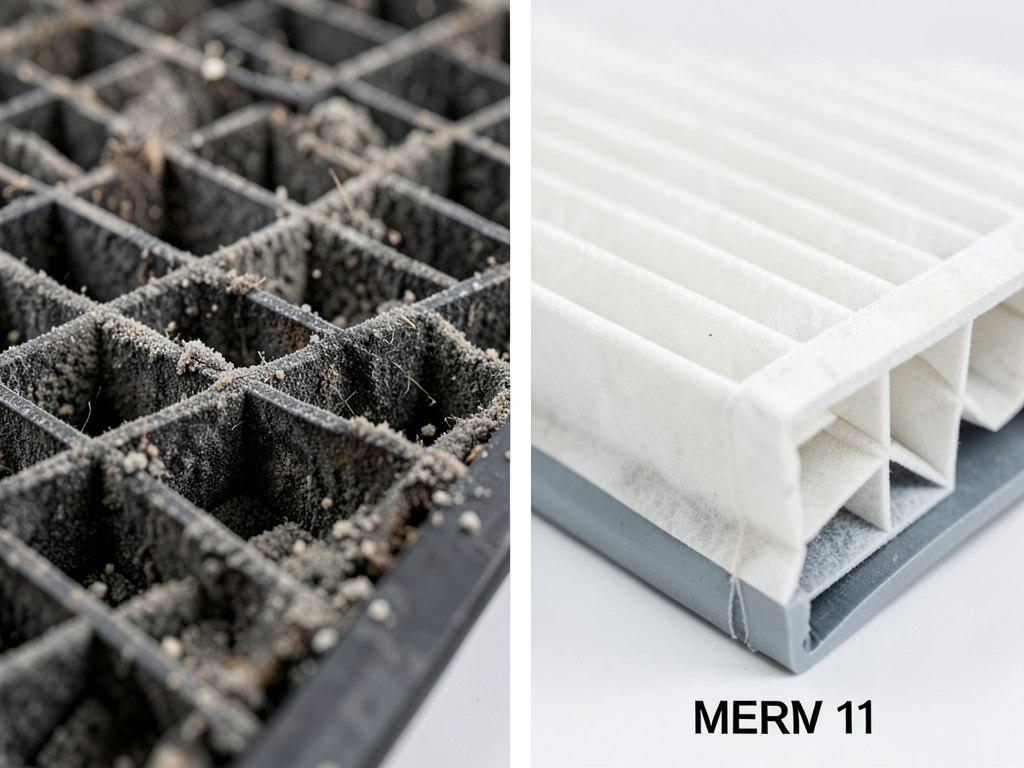
Standard 1-inch fiberglass filters trap only particles larger than 10 microns, allowing construction dust to pass through freely. Upgrading to a pleated filter with a MERV 11 rating captures particles as small as 1 micron, including most construction dust. However, higher MERV ratings aren’t always better for every system. Filters with MERV 13 or higher can restrict airflow in older HVAC systems, causing the blower motor to work harder and potentially leading to premature failure.
The ideal filter for Balcones Woods construction dust is a MERV 11 pleated filter with a dust-spot efficiency of at least 85%. These filters balance particle capture with adequate airflow for most residential systems. Look for filters with a pleated design rather than flat panels, as the increased surface area allows for better dust holding capacity without restricting airflow.
Filter replacement frequency becomes critical during active construction. While the standard recommendation is every 90 days, homes near construction sites may need monthly changes during peak excavation periods. A simple test is to check your filter monthly and replace it when light barely passes through the media. Some homeowners install filter gauges that measure pressure drop across the filter, providing an objective indicator of when replacement is needed.. Read more about Why your Anderson Mill home might need a 5 inch media filter upgrade.
| Filter Type | MERV Rating | Particle Size Captured | Best For Construction Dust |
|---|---|---|---|
| Fiberglass | 4-6 | 10+ microns | No |
| Standard Pleated | 8 | 3-10 microns | Limited |
| High-Efficiency Pleated | 11 | 1-10 microns | Yes |
| Hospital Grade | 13+ | 0.3-10 microns | Only if system compatible |
Whole-Home Air Purification Solutions
For severe construction dust problems, a whole-home air purifier installed in your HVAC system provides continuous filtration beyond what standard filters can achieve. Electronic air cleaners use electrostatic attraction to capture particles as small as 0.1 microns, including the finest limestone dust particles. These systems charge airborne particles as they pass through, then collect them on oppositely charged plates that can be washed rather than replaced.
UV germicidal lights installed in the ductwork kill mold spores and bacteria that construction dust might carry. While these don’t capture dust particles directly, they prevent the biological growth that can occur when dust combines with moisture in your system. The EPA recommends UV lights for homes in humid climates like Austin’s, where the combination of dust and moisture creates ideal conditions for microbial growth. Emergency Ductwork Repair.
Activated carbon filters address another aspect of construction dust problems: odors. Demolition and excavation release volatile organic compounds that create unpleasant smells. Carbon filters adsorb these gases, improving both air quality and comfort. Some advanced systems combine mechanical filtration, electrostatic attraction, and carbon filtration in a single unit for comprehensive protection.
Ductwork Integrity and Construction Dust
Leaky ductwork becomes a major pathway for construction dust to enter your home. The Texas Department of Licensing and Regulation requires duct leakage testing for new installations, but many older Balcones Woods homes have never had their ductwork evaluated. A duct blaster test measures how much air escapes from your system, with anything over 15% leakage indicating significant problems.
Common leak locations include connections at vents, where flexible duct meets rigid duct, and around the air handler cabinet. These gaps create negative pressure zones that actively pull in construction dust from attics, crawl spaces, and wall cavities. Aeroseal technology uses polymer particles that bond at leak sites when air flows through them, sealing gaps from the inside without requiring extensive demolition.
Professional duct cleaning becomes necessary when construction dust has accumulated for years. The National Air Duct Cleaners Association recommends cleaning every 3-5 years for normal conditions, but homes near active construction may need annual service. Look for companies certified by NADCA that use HEPA-filtered vacuum equipment and follow the ACR 2013 standard for proper cleaning procedures.
Humidity Control as a Dust Management Strategy
Central Texas humidity levels between 60-80% during summer create conditions where dust mites thrive and dust particles stick to surfaces rather than remaining airborne. Installing a whole-home dehumidifier maintains relative humidity between 45-55%, reducing dust mite populations and making your HVAC filter more effective at capturing airborne particles.
Dehumidifiers also prevent the condensation that occurs when cool air from your AC meets warm, humid air. This condensation creates the moisture that allows construction dust to form muddy deposits on coils and in ductwork. The U.S. Department of Energy reports that maintaining proper humidity levels can reduce HVAC energy consumption by 10-15% while improving air quality. U.S. Department of Energy HVAC Efficiency.
Smart humidity controllers monitor both temperature and humidity, adjusting your system to maintain optimal conditions automatically. These devices can be programmed to increase dehumidification during construction-heavy periods or when outdoor dust levels are highest, typically during afternoon hours when construction activity peaks.
Construction Phase Protection Strategies
During active construction phases near Balcones Woods, temporary measures can significantly reduce dust infiltration. Installing temporary filter material over return air vents blocks larger particles while still allowing system operation. These filters should be checked daily and replaced when visibly dirty, as they can become overwhelmed quickly during heavy construction periods.
Creating positive pressure in your home by slightly increasing the blower fan speed can help push air out through gaps rather than pulling dust in. This strategy works best when combined with high-quality filtration and should only be attempted under professional guidance to avoid system damage. Some homeowners use portable air scrubbers with HEPA filters in construction-heavy periods to provide additional protection.
Landscaping can also play a role in dust management. Planting dense shrubs or installing decorative fencing between your property and construction zones creates a barrier that catches larger dust particles before they reach your home. Native Texas plants like Texas sage or dwarf yaupon holly are particularly effective because they’re adapted to local conditions and require minimal maintenance. Local AC Repair and Cooling Experts in South Lamar and Barton Hills.
Maintenance Schedule for Construction Zone Homes
Establishing a regular maintenance routine helps manage construction dust effectively. Monthly filter checks become essential during active construction, with replacements as needed rather than on a fixed schedule. Quarterly professional HVAC inspections can identify developing problems before they impact system performance or indoor air quality.
Seasonal deep cleaning of your home’s air handling components prevents dust accumulation from becoming a permanent problem. This includes cleaning evaporator coils, checking blower wheel cleanliness, and inspecting ductwork for visible dust buildup. The Austin Building Code requires accessible HVAC components in new construction, making these maintenance tasks easier for homeowners in newer Balcones Woods properties.
Annual professional duct cleaning becomes necessary if you notice persistent dust problems despite regular filter changes. Signs that cleaning is needed include visible dust around vents, musty odors when the system runs, and increased allergy symptoms among household members. Professional cleaning should include both supply and return ducts, with before-and-after photos documenting the improvement.
DIY vs. Professional Solutions
Many dust management strategies can be implemented by homeowners, starting with regular filter changes and keeping windows closed during high-dust periods. However, professional services become necessary for tasks like duct sealing, coil cleaning, and system diagnostics. The EPA recommends professional duct cleaning only when there’s visible mold growth, vermin infestation, or excessive dust, making it a targeted rather than routine service.
Professional air quality testing provides objective data about your home’s dust levels and identifies specific particle types present in your air. This testing, which costs between $300-500 in the Austin area, can reveal whether construction dust is the primary problem or if other factors like pollen or pet dander are contributing to indoor air quality issues.
The decision between DIY and professional solutions often comes down to cost-benefit analysis. While professional services require upfront investment, they can prevent costly HVAC repairs and reduce energy bills by improving system efficiency. Many Austin HVAC companies offer free estimates for dust management solutions, allowing you to compare options without obligation. Emergency AC Repair Services for Homes in West Lake Hills.
Long-Term Construction Dust Management
Managing construction dust isn’t just about immediate comfort; it’s about protecting your HVAC investment and maintaining your home’s value. Homes in construction zones often experience accelerated HVAC wear, with systems requiring replacement 2-3 years earlier than similar homes in quiet areas. Implementing comprehensive dust management strategies can extend equipment life and maintain efficiency throughout the system’s intended lifespan.
Building relationships with local HVAC professionals who understand Balcones Woods construction patterns helps you stay ahead of dust-related problems. These professionals can provide advance notice of nearby construction projects and recommend preemptive measures before dust levels become problematic. Many offer maintenance agreements that include quarterly inspections and priority service during construction-heavy periods.
The construction near Balcones Woods is part of Austin’s growth, bringing both challenges and opportunities. While dust management requires ongoing attention, the improved air quality and extended HVAC life make the effort worthwhile. By combining smart filtration, professional maintenance, and strategic home modifications, you can enjoy clean indoor air despite the construction activity around you.
Frequently Asked Questions
How often should I change my HVAC filter during construction near Balcones Woods?
During active construction, check your filter monthly and replace it when light barely passes through. Some homes near construction sites need monthly changes rather than the standard 90-day interval. Homes with pets or allergies may need even more frequent changes.
Can construction dust damage my HVAC system?
Yes. Construction dust accumulates on evaporator coils, reducing cooling efficiency by up to 30%. It also settles in ductwork, creating conditions for mold growth when combined with Austin’s humidity. Fine particles can even enter the blower motor, causing premature wear.
What’s the best MERV rating for construction dust?
MERV 11 offers the best balance for most residential systems, capturing particles as small as 1 micron while maintaining adequate airflow. Higher MERV ratings like 13+ provide better filtration but may restrict airflow in older systems, potentially causing damage.
How do I know if construction dust is affecting my indoor air quality?
Signs include visible dust accumulation near vents, frequent filter clogging, musty odors when the AC runs, and increased allergy symptoms. Professional air quality testing can measure specific particle levels and identify construction dust as the primary culprit.
Should I get my ducts cleaned if I live near construction?
Professional duct cleaning is recommended if you notice persistent dust problems, visible mold growth, or if it’s been more than 5 years since your last cleaning. The National Air Duct Cleaners Association recommends cleaning every 3-5 years under normal conditions.
Can I seal my own ductwork to prevent dust infiltration?
While DIY duct sealing with mastic or metal tape can help with minor leaks, professional duct sealing with equipment like Aeroseal provides more comprehensive results. Improper DIY sealing can actually worsen pressure imbalances and increase dust infiltration.
How does Austin’s humidity affect construction dust management?
High humidity causes dust particles to clump and stick to surfaces rather than remaining airborne. This makes filtration more effective but also creates conditions for mold growth in ductwork. Maintaining humidity between 45-55% with a dehumidifier optimizes dust management.
What’s the cost difference between DIY and professional dust management?
DIY solutions like regular filter changes cost $50-100 annually, while professional services like duct cleaning ($300-500) and whole-home air purifiers ($1,000-3,000) require larger upfront investment. However, professional solutions can prevent costly HVAC repairs and reduce energy bills over time.
Will construction dust eventually stop being a problem in Balcones Woods?
Construction dust problems typically decrease significantly once nearby projects complete, usually within 6-12 months. However, ongoing development in Austin means new construction will always be a possibility. Implementing permanent dust management solutions provides protection regardless of nearby construction activity.
How do I choose between different air purification systems?
Consider your specific needs, system compatibility, and budget. Electronic air cleaners excel at particle removal, UV lights prevent biological growth, and activated carbon filters address odors. Many Austin homeowners find that combining a MERV 11 filter with a UV light system provides optimal protection against construction dust.. Read more about Why Your New Home in Easton Park Already Needs an Air Duct Inspection.
Take Control of Your Indoor Air Quality Today
Construction dust near Balcones Woods doesn’t have to compromise your home’s comfort and air quality. Whether you need a simple filter upgrade or comprehensive duct sealing, professional HVAC services can create a customized solution for your specific situation. The longer construction dust problems persist, the more they impact your system’s efficiency and your family’s health.
Don’t wait until construction dust causes expensive HVAC damage or creates chronic air quality issues. Call (737) 316-0777 today to schedule your comprehensive air quality assessment. Our NATE-certified technicians understand the unique challenges of Balcones Woods construction dust and can recommend solutions that protect your investment while improving your indoor comfort.
Pick up the phone and call (737) 316-0777 before the next construction phase begins. With proper filtration and maintenance, you can enjoy clean, healthy air even as Balcones Woods continues to develop around you.
You may also find this helpful. Comparing Lennox and Carrier for Your Next Northwest Hills HVAC Replacement.
You may also find this helpful. Moving Your AC Unit to Make Room for a New Deck in Steiner Ranch.
{
“@context”: “https://schema.org”,
“@type”: “BlogPosting”,
“headline”: “How to Manage HVAC Dust if You Live Near the Balcones Woods Construction”,
“description”: “Struggling with construction dust near Balcones Woods? Learn how Austin’s limestone dust affects your HVAC system and discover proven filtration solutions to keep your air clean.”,
“wordCount”: 2583,
“datePublished”: “2026-05-01T07:13:00.000Z”,
“dateModified”: “2026-05-01T07:13:00.000Z”,
“inLanguage”: “en-US”,
“mainEntityOfPage”: {
“@type”: “WebPage”,
“@id”: “https://allprohvacaustin.com”
},
“publisher”: {
“@type”: “LocalBusiness”,
“name”: “All Pro HVAC Austin”,
“url”: “https://allprohvacaustin.com”
},
“author”: {
“@type”: “Organization”,
“name”: “All Pro HVAC Austin”,
“url”: “https://allprohvacaustin.com”
},
“image”: {
“@type”: “ImageObject”,
“url”: “https://allprohvacaustin.com/wp-content/uploads/2026/03/how-to-manage-hvac-dust-if-you-live-near-the-balco-1.png”
}
}
{
“@context”: “https://schema.org”,
“@type”: “HVACBusiness”,
“name”: “All Pro HVAC Austin”,
“url”: “https://allprohvacaustin.com”,
“address”: {
“@type”: “PostalAddress”,
“addressLocality”: “Austin”
},
“areaServed”: {
“@type”: “City”,
“name”: “Austin”
}
}
{
“@context”: “https://schema.org”,
“@type”: “FAQPage”,
“mainEntity”: [
{
“@type”: “Question”,
“name”: “How often should I change my HVAC filter during construction near Balcones Woods?”,
“acceptedAnswer”: {
“@type”: “Answer”,
“text”: “During active construction, check your filter monthly and replace it when light barely passes through. Some homes near construction sites need monthly changes rather than the standard 90-day interval. Homes with pets or allergies may need even more frequent changes.”
}
},
{
“@type”: “Question”,
“name”: “Can construction dust damage my HVAC system?”,
“acceptedAnswer”: {
“@type”: “Answer”,
“text”: “Yes. Construction dust accumulates on evaporator coils, reducing cooling efficiency by up to 30%. It also settles in ductwork, creating conditions for mold growth when combined with Austin’s humidity. Fine particles can even enter the blower motor, causing premature wear.”
}
},
{
“@type”: “Question”,
“name”: “What’s the best MERV rating for construction dust?”,
“acceptedAnswer”: {
“@type”: “Answer”,
“text”: “MERV 11 offers the best balance for most residential systems, capturing particles as small as 1 micron while maintaining adequate airflow. Higher MERV ratings like 13+ provide better filtration but may restrict airflow in older systems, potentially causing damage.”
}
},
{
“@type”: “Question”,
“name”: “How do I know if construction dust is affecting my indoor air quality?”,
“acceptedAnswer”: {
“@type”: “Answer”,
“text”: “Signs include visible dust accumulation near vents, frequent filter clogging, musty odors when the AC runs, and increased allergy symptoms. Professional air quality testing can measure specific particle levels and identify construction dust as the primary culprit.”
}
},
{
“@type”: “Question”,
“name”: “Should I get my ducts cleaned if I live near construction?”,
“acceptedAnswer”: {
“@type”: “Answer”,
“text”: “Professional duct cleaning is recommended if you notice persistent dust problems, visible mold growth, or if it’s been more than 5 years since your last cleaning. The National Air Duct Cleaners Association recommends cleaning every 3-5 years under normal conditions.”
}
},
{
“@type”: “Question”,
“name”: “Can I seal my own ductwork to prevent dust infiltration?”,
“acceptedAnswer”: {
“@type”: “Answer”,
“text”: “While DIY duct sealing with mastic or metal tape can help with minor leaks, professional duct sealing with equipment like Aeroseal provides more comprehensive results. Improper DIY sealing can actually worsen pressure imbalances and increase dust infiltration.”
}
},
{
“@type”: “Question”,
“name”: “How does Austin’s humidity affect construction dust management?”,
“acceptedAnswer”: {
“@type”: “Answer”,
“text”: “High humidity causes dust particles to clump and stick to surfaces rather than remaining airborne. This makes filtration more effective but also creates conditions for mold growth in ductwork. Maintaining humidity between 45-55% with a dehumidifier optimizes dust management.”
}
},
{
“@type”: “Question”,
“name”: “What’s the cost difference between DIY and professional dust management?”,
“acceptedAnswer”: {
“@type”: “Answer”,
“text”: “DIY solutions like regular filter changes cost $50-100 annually, while professional services like duct cleaning ($300-500) and whole-home air purifiers ($1,000-3,000) require larger upfront investment. However, professional solutions can prevent costly HVAC repairs and reduce energy bills over time.”
}
},
{
“@type”: “Question”,
“name”: “Will construction dust eventually stop being a problem in Balcones Woods?”,
“acceptedAnswer”: {
“@type”: “Answer”,
“text”: “Construction dust problems typically decrease significantly once nearby projects complete, usually within 6-12 months. However, ongoing development in Austin means new construction will always be a possibility. Implementing permanent dust management solutions provides protection regardless of nearby construction activity.”
}
},
{
“@type”: “Question”,
“name”: “How do I choose between different air purification systems?”,
“acceptedAnswer”: {
“@type”: “Answer”,
“text”: “Consider your specific needs, system compatibility, and budget. Electronic air cleaners excel at particle removal, UV lights prevent biological growth, and activated carbon filters address odors. Many Austin homeowners find that combining a MERV 11 filter with a UV light system provides optimal protection against construction dust.”
}
}
]
}
{
“@context”: “https://schema.org”,
“@type”: “BreadcrumbList”,
“itemListElement”: [
{
“@type”: “ListItem”,
“position”: 1,
“name”: “Home”,
“item”: “https://allprohvacaustin.com”
},
{
“@type”: “ListItem”,
“position”: 2,
“name”: “Blog”,
“item”: “https://allprohvacaustin.com/blog”
},
{
“@type”: “ListItem”,
“position”: 3,
“name”: “How to Manage HVAC Dust if You Live Near the Balcones Woods Construction”
}
]
}
{
“@context”: “https://schema.org”,
“@type”: “Service”,
“serviceType”: “HVAC”,
“provider”: {
“@type”: “LocalBusiness”,
“name”: “All Pro HVAC Austin”,
“url”: “https://allprohvacaustin.com”
},
“areaServed”: {
“@type”: “City”,
“name”: “Austin”
},
“description”: “Struggling with construction dust near Balcones Woods? Learn how Austin’s limestone dust affects your HVAC system and discover proven filtration solutions to keep your air clean.”
}