
Why Your AC Drain Line Keeps Clogging: Root Causes and Austin-Specific Solutions
Your AC drain line keeps clogging because of a combination of microbial growth and installation issues that are especially common in Austin’s humid climate. The primary culprit is algae and bacteria forming a thick white slime inside the PVC pipe, which traps dust, pollen, and mineral deposits from our hard water. Without proper maintenance, this buildup creates recurring blockages that can shut down your system or cause water damage to your home. Austin ECAD Ordinance.
The problem worsens in Austin because our cooling season runs from March through October, giving algae more time to grow than in cooler climates. Our relative humidity often exceeds 70% during summer months, creating the perfect environment for microbial growth in the dark, moist drain line. Homes in neighborhoods like Mueller and Tarrytown with mature trees also face increased pollen and organic debris entering the system.. Read more about How to spot hidden mold in your AC system after a humid Del Valle summer.
Top 5 Causes of Recurring AC Drain Line Clogs
Understanding why your drain line keeps clogging is the first step to solving the problem permanently. Here are the most common culprits we see in Austin homes:
- Algae and Biofilm Growth – The white slime that forms in your drain line is actually a colony of algae and bacteria that feeds on the condensation water. This microbial growth can double in thickness every few weeks during peak summer.
- Improper Pipe Pitch – If the drain line doesn’t slope at least 1/4 inch per foot toward the drain, water pools and creates stagnant areas where algae thrives. Many homes in Barton Hills and West Lake Hills have installation errors from rushed construction.
- Missing or Inadequate P-Trap – A properly installed P-trap prevents sewer gases from entering your AC system, but it also creates a water seal that blocks air movement. Without it, air rushes through the line carrying debris that causes clogs.
- Oversized AC Units – Homes in newer developments like The Domain often have oversized systems that short-cycle, meaning they run for shorter periods and remove less moisture. This leaves more water in the drain line between cycles, promoting algae growth.
- Dirty Evaporator Coils – When your evaporator coil gets dirty, it restricts airflow and causes the system to freeze and thaw repeatedly. This creates excess water that overwhelms the drain line and carries more debris into the pipe.
DIY Methods to Clear a Clogged AC Drain Line
Before calling a professional, you can try these methods to clear a minor clog. Always turn off power to your AC unit at the breaker before attempting any maintenance. Fast and Professional Furnace Repair in Georgetown During the Winter Chill.
- Locate the Drain Line
Find the white PVC pipe near your indoor air handler, typically in an attic or closet. Look for a T-shaped vent with a cap on top.
- Vacuum the Line
Attach a wet/dry vacuum to the drain line’s outdoor end. Seal the connection with duct tape and run the vacuum for 2-3 minutes to suck out the clog.
- Flush with Vinegar Solution
Mix equal parts white vinegar and water. Pour this solution into the drain line through the vent cap. Let it sit for 30 minutes to dissolve algae and mineral deposits.
- Flush with Clean Water
After the vinegar treatment, flush the line with clean water to remove loosened debris. Check that water flows freely from the outdoor end.
- Install a Float Switch
If your system doesn’t have one, install a float switch in the drain pan. This device shuts off your AC if water backs up, preventing overflow damage.
Warning: Never use bleach to clean your drain line. While it kills algae, bleach can damage PVC pipes and create toxic fumes when mixed with other cleaning products. Also, avoid using high-pressure water or compressed air, which can damage pipe joints and create leaks.
Prevention Strategies That Actually Work
Preventing drain line clogs requires a combination of regular maintenance and system upgrades. Here are the most effective strategies we’ve found for Austin homes:
| Method | Cost | Effectiveness | Maintenance Frequency |
|---|---|---|---|
| Condensate tablets | $15-25 | High | Every 3 months |
| Vinegar flush | $5 | Medium | Every 2 months |
| EZ Trap installation | $75-150 | Very High | Annually |
| Float switch | $50-100 | High | Annually |
| Professional cleaning | $150-300 | Very High | Annually |
Condensate tablets are the most cost-effective prevention method. These compressed tablets slowly dissolve in the drain pan, releasing chemicals that prevent algae growth. Place one tablet in your drain pan each season, typically in March before the heavy cooling months begin.
For homes in areas with severe algae problems, like those near Lady Bird Lake or in the Barton Creek Greenbelt, consider installing an EZ Trap. This clear trap allows you to see water flow and has a cleanout port for easy maintenance. The transparent design lets you monitor for clogs before they become severe.
Why Austin’s Climate Makes Drain Line Problems Worse
Austin’s unique climate creates perfect conditions for AC drain line problems. Our summer humidity levels average 65-75%, compared to 55-65% in Dallas or Houston. This extra moisture means your AC removes more water from the air, creating more condensation that flows through the drain line.
During peak summer, an average 3-ton AC unit can produce 5-10 gallons of condensate water per day. In neighborhoods with mature oak trees like Tarrytown and Clarksville, pollen and organic debris get drawn into the system, providing food for algae growth. The long cooling season also means your drain line stays wet for 7-8 months straight, never getting the dry period that would naturally inhibit microbial growth.
Austin’s water hardness compounds the problem. With 8-12 grains per gallon of hardness, mineral deposits build up inside the drain line, creating rough surfaces where algae can anchor. Over time, these deposits narrow the pipe diameter, making clogs more likely even if algae growth is controlled.
Professional Solutions for Persistent Clogs
When DIY methods fail or you want a permanent solution, professional intervention becomes necessary. Here are the most effective professional services for Austin homeowners:
Nitrogen Purge Service – This method uses compressed nitrogen to blow out clogs and scour the pipe walls. The high-pressure gas removes both soft algae and hard mineral deposits. Technicians use specialized nozzles that direct the gas flow without damaging pipe joints. This service costs $200-300 and provides 12-18 months of protection.
Drain Line Rerouting – If your drain line has improper pitch or is too long, rerouting can solve chronic clogging. The International Mechanical Code requires a minimum 1/4 inch per foot slope for condensate drains. We often find lines installed flat or with reverse slope, especially in homes built during Austin’s rapid growth in the 2010s.
Condensate Pump Installation – For homes where the air handler is below the drain line exit point, a condensate pump is essential. These pumps automatically activate when water accumulates, pushing it through the drain line even against gravity. This prevents the standing water that promotes algae growth.
UV Light Installation – Installing UV lights near the evaporator coil kills airborne bacteria and algae spores before they enter the drain line. These systems cost $400-800 but can eliminate recurring clogs by addressing the problem at its source.
Annual Maintenance Checklist for Austin Homes
Following this maintenance schedule can prevent most drain line problems:
- March – Schedule professional AC tune-up before cooling season. Replace air filter and inspect drain line.
- May – Check drain line flow by pouring a cup of water into the vent. Watch for slow drainage.
- July – Inspect drain pan for standing water. Clean with vinegar solution if needed.
- September – Replace condensate tablets if using them. Check float switch operation.
- November – Final inspection before winter. Consider professional cleaning if clogs occurred during summer.
Homes in areas with high pollen counts, like those near Zilker Park or Barton Creek Greenbelt, may need more frequent maintenance. The extra organic matter in the air creates more food for algae, requiring cleaning every 6-8 weeks instead of every 3 months.
When to Call a Professional Immediately
Some drain line issues require immediate professional attention to prevent costly damage:
- Water leaking from your ceiling or around your air handler
- AC shutting off unexpectedly (float switch activation)
- Visible mold growth around your air handler
- Standing water in the drain pan that won’t drain
- Musty odors coming from your vents
Water damage from a clogged drain line can cost $2,000-5,000 to repair, especially if it affects drywall, insulation, or electrical systems. The longer you wait, the more extensive the damage becomes. Emergency AC Repair Services for Homes in West Lake Hills.
Understanding Austin’s Building Codes and Requirements
Austin’s Energy Conservation Audit and Disclosure (ECAD) ordinance requires proper condensate drain installation for homes over 10 years old. The City of Austin Mechanical Code Section 307.2.2 mandates that drain lines must:
- Have a minimum slope of 1/4 inch per foot
- Include a properly installed P-trap
- Terminate at least 12 inches above grade
- Include a secondary drain pan for attic installations
Many older homes in Central Austin neighborhoods don’t meet these current standards. During professional service calls, we often find drain lines that violate multiple code requirements, which explains their chronic clogging problems.
The Cost of Ignoring Drain Line Problems
Beyond the immediate inconvenience of a clogged drain line, ignoring the problem can lead to:
| Problem | Potential Cost | Timeframe |
|---|---|---|
| Water damage to ceiling | $1,500-3,000 | 1-3 months |
| Damaged air handler | $2,500-5,000 | 3-6 months |
| Mold remediation | $3,000-8,000 | 6-12 months |
| Complete system replacement | $4,000-12,000 | 1-2 years |
The most expensive scenario occurs when water damage goes unnoticed in an attic installation. By the time you see water stains on your ceiling, the damage often extends to insulation, wiring, and structural components.
Frequently Asked Questions
How often should I clean my AC drain line?
For most Austin homes, clean your drain line every 3-4 months during cooling season. If you have mature trees nearby or notice recurring clogs, increase to every 6-8 weeks. Homes in high-pollen areas like Tarrytown may need monthly maintenance.
Can I use bleach to clean my AC drain line?
No, never use bleach in your AC drain line. While it kills algae, bleach can damage PVC pipes, create toxic fumes when mixed with other chemicals, and harm your lawn if the line drains outside. Use vinegar or commercial HVAC drain line cleaners instead.
What does it mean if my AC shuts off unexpectedly?
If your AC shuts off on hot days, your float switch has likely activated due to a clogged drain line. This safety feature prevents water overflow. Turn off your system at the breaker and call a professional immediately to prevent water damage.
How much does professional drain line cleaning cost in Austin?
Professional drain line cleaning in Austin typically costs $150-300, depending on the clog severity and your home’s configuration. If your line requires rerouting or additional repairs, costs can range from $400-800. Local AC Repair and Cooling Experts in South Lamar and Barton Hills.
Will a condensate pump solve my drain line problems?
A condensate pump can solve problems if your drain line has improper slope or the air handler is below the drain exit point. However, if algae growth is the primary issue, you’ll still need regular cleaning or chemical treatment even with a pump.
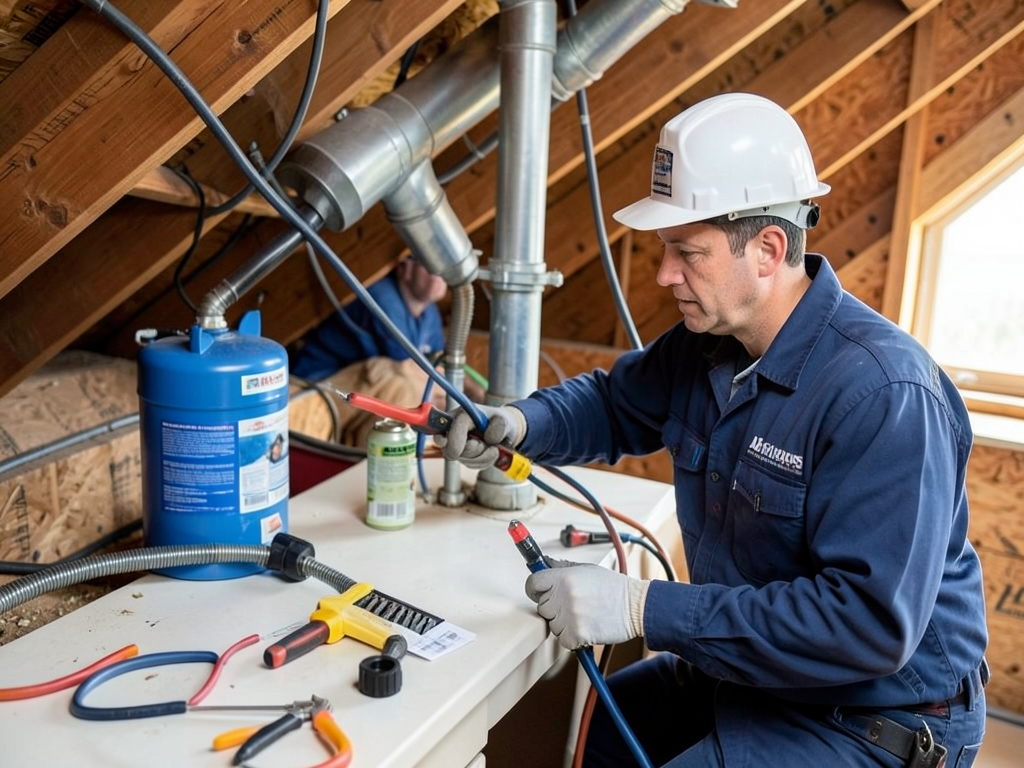
Diagram showing proper AC drain line installation with P-trap, slope, and vent configuration
Technician using nitrogen purge equipment to clear a severely clogged drain line
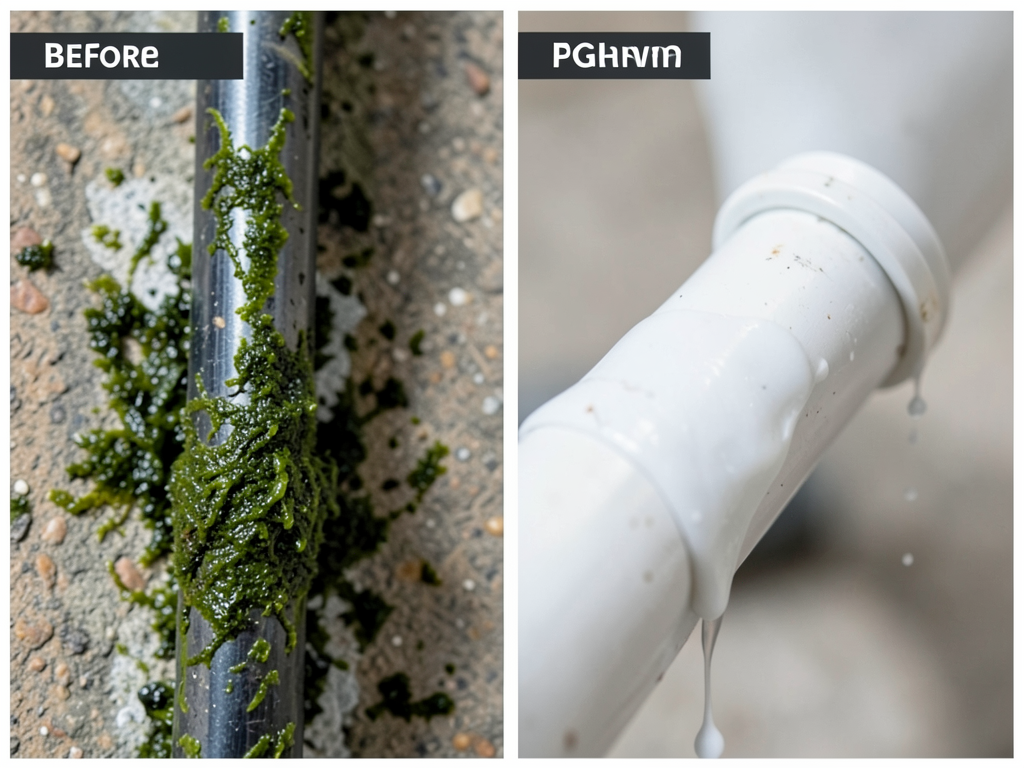
Before and after comparison of a drain line with and without algae buildup
Take Action Before Your Next Clog
Recurring AC drain line clogs aren’t just an inconvenience—they’re a sign of underlying problems that will only get worse. Whether you need a simple cleaning, system upgrade, or complete drain line replacement, addressing the issue now can save you thousands in potential water damage repairs.
Call (737) 316-0777 today to schedule your drain line inspection. Our Austin-based technicians understand the specific challenges our climate creates and can recommend solutions that actually work in Central Texas conditions. Don’t wait until water is dripping through your ceiling—pick up the phone and call (737) 316-0777 before the next storm hits. Modern HVAC Solutions for Historic Homes in Tarrytown and Old West Austin.
Regular maintenance costs $150-300 annually, while emergency water damage repairs can exceed $5,000. The choice is clear: invest in prevention or pay for disaster recovery. Emergency Ductwork Repair.
Ready to stop dealing with clogged drain lines for good? Call (737) 316-0777 and let our experienced team solve your AC drainage problems permanently. For more information, visit ASHRAE Handbook Fundamentals.
{
“@context”: “https://schema.org”,
“@type”: “BlogPosting”,
“headline”: “Why your AC drain line keeps clogging and how to fix it for good”,
“description”: “Struggling with a clogged AC drain line in Austin? Learn the root causes, DIY fixes, and permanent solutions to stop recurring clogs. Call (737) 316-0777 for expert help.”,
“wordCount”: 2083,
“datePublished”: “2026-03-19T11:28:00.000Z”,
“dateModified”: “2026-03-19T11:28:00.000Z”,
“inLanguage”: “en-US”,
“mainEntityOfPage”: {
“@type”: “WebPage”,
“@id”: “https://allprohvacaustin.com”
},
“publisher”: {
“@type”: “LocalBusiness”,
“name”: “All Pro HVAC Austin”,
“url”: “https://allprohvacaustin.com”
},
“author”: {
“@type”: “Organization”,
“name”: “All Pro HVAC Austin”,
“url”: “https://allprohvacaustin.com”
},
“image”: {
“@type”: “ImageObject”,
“url”: “https://allprohvacaustin.com/wp-content/uploads/2026/03/why-your-ac-drain-line-keeps-clogging-and-how-to-f-1.png”
}
}
{
“@context”: “https://schema.org”,
“@type”: “HVACBusiness”,
“name”: “All Pro HVAC Austin”,
“url”: “https://allprohvacaustin.com”,
“address”: {
“@type”: “PostalAddress”,
“addressLocality”: “Austin”
},
“areaServed”: {
“@type”: “City”,
“name”: “Austin”
}
}
{
“@context”: “https://schema.org”,
“@type”: “FAQPage”,
“mainEntity”: [
{
“@type”: “Question”,
“name”: “How often should I clean my AC drain line?”,
“acceptedAnswer”: {
“@type”: “Answer”,
“text”: “For most Austin homes, clean your drain line every 3-4 months during cooling season. If you have mature trees nearby or notice recurring clogs, increase to every 6-8 weeks. Homes in high-pollen areas like Tarrytown may need monthly maintenance.”
}
},
{
“@type”: “Question”,
“name”: “Can I use bleach to clean my AC drain line?”,
“acceptedAnswer”: {
“@type”: “Answer”,
“text”: “No, never use bleach in your AC drain line. While it kills algae, bleach can damage PVC pipes, create toxic fumes when mixed with other chemicals, and harm your lawn if the line drains outside. Use vinegar or commercial HVAC drain line cleaners instead.”
}
},
{
“@type”: “Question”,
“name”: “What does it mean if my AC shuts off unexpectedly?”,
“acceptedAnswer”: {
“@type”: “Answer”,
“text”: “If your AC shuts off on hot days, your float switch has likely activated due to a clogged drain line. This safety feature prevents water overflow. Turn off your system at the breaker and call a professional immediately to prevent water damage.”
}
},
{
“@type”: “Question”,
“name”: “How much does professional drain line cleaning cost in Austin?”,
“acceptedAnswer”: {
“@type”: “Answer”,
“text”: “Professional drain line cleaning in Austin typically costs $150-300, depending on the clog severity and your home’s configuration. If your line requires rerouting or additional repairs, costs can range from $400-800. Local AC Repair and Cooling Experts in South Lamar and Barton Hills.”
}
},
{
“@type”: “Question”,
“name”: “Will a condensate pump solve my drain line problems?”,
“acceptedAnswer”: {
“@type”: “Answer”,
“text”: “A condensate pump can solve problems if your drain line has improper slope or the air handler is below the drain exit point. However, if algae growth is the primary issue, you’ll still need regular cleaning or chemical treatment even with a pump.”
}
}
]
}
{
“@context”: “https://schema.org”,
“@type”: “HowTo”,
“name”: “How to Clear an AC Drain Line”,
“step”: [
{
“@type”: “HowToStep”,
“position”: 1,
“name”: “Locate the Drain Line”,
“text”: “Find the white PVC pipe near your indoor air handler, typically in an attic or closet. Look for a T-shaped vent with a cap on top.”
},
{
“@type”: “HowToStep”,
“position”: 2,
“name”: “Vacuum the Line”,
“text”: “Attach a wet/dry vacuum to the drain line’s outdoor end. Seal the connection with duct tape and run the vacuum for 2-3 minutes to suck out the clog.”
},
{
“@type”: “HowToStep”,
“position”: 3,
“name”: “Flush with Vinegar Solution”,
“text”: “Mix equal parts white vinegar and water. Pour this solution into the drain line through the vent cap. Let it sit for 30 minutes to dissolve algae and mineral deposits.”
},
{
“@type”: “HowToStep”,
“position”: 4,
“name”: “Flush with Clean Water”,
“text”: “After the vinegar treatment, flush the line with clean water to remove loosened debris. Check that water flows freely from the outdoor end.”
},
{
“@type”: “HowToStep”,
“position”: 5,
“name”: “Install a Float Switch”,
“text”: “If your system doesn’t have one, install a float switch in the drain pan. This device shuts off your AC if water backs up, preventing overflow damage.”
}
],
“image”: “https://allprohvacaustin.com/wp-content/uploads/2026/03/why-your-ac-drain-line-keeps-clogging-and-how-to-f-1.png”
}
{
“@context”: “https://schema.org”,
“@type”: “BreadcrumbList”,
“itemListElement”: [
{
“@type”: “ListItem”,
“position”: 1,
“name”: “Home”,
“item”: “https://allprohvacaustin.com”
},
{
“@type”: “ListItem”,
“position”: 2,
“name”: “Blog”,
“item”: “https://allprohvacaustin.com/blog”
},
{
“@type”: “ListItem”,
“position”: 3,
“name”: “Why your AC drain line keeps clogging and how to fix it for good”
}
]
}
{
“@context”: “https://schema.org”,
“@type”: “Service”,
“serviceType”: “HVAC”,
“provider”: {
“@type”: “LocalBusiness”,
“name”: “All Pro HVAC Austin”,
“url”: “https://allprohvacaustin.com”
},
“areaServed”: {
“@type”: “City”,
“name”: “Austin”
},
“description”: “Struggling with a clogged AC drain line in Austin? Learn the root causes, DIY fixes, and permanent solutions to stop recurring clogs. Call (737) 316-0777 for expert help.”
}