Menu

Rooftop Unit Installation in Austin – Minimize Downtime with Industrial-Grade RTU Systems

All Pro HVAC Austin delivers commercial rooftop HVAC installation engineered for Texas heat and humidity. We install, replace, and retrofit RTUs with precision craning, full load calculations, and Austin Energy compliance so your operations never skip a beat.

Slider Image 1
Slider Image 2
Slider Image 3
Slider Image 4
Slider Image 5
Slider Image 7
Slider Image 8
Slider Image 9
Slider Image 10
Slider Image 11

Why Austin Commercial Buildings Demand Robust RTU Systems

Austin's urban heat island effect pushes rooftop temperatures 15 to 20 degrees higher than ground level during summer. Your commercial RTU install sits in direct sun for 12 hours a day, cycling on and off to battle 95-degree afternoons and 85-degree nights. This relentless thermal stress accelerates compressor wear, refrigerant leaks, and capacitor failure.

Add in Central Texas humidity, which peaks above 80 percent before dawn, and you get condensate pan overflow, mold growth in ductwork, and corroded electrical contacts. Package units on flat roofs in warehouses, retail centers, and office parks along South Congress or near the Domain absorb radiant heat from TPO membranes and asphalt, pushing internal operating temperatures beyond manufacturer specs.

Older RTUs installed before 2015 lack high-efficiency scroll compressors and variable-speed blower motors. They consume 30 percent more electricity and struggle to maintain setpoints during peak cooling months. Undersized units short-cycle, oversized units never dehumidify, and both fail prematurely.

You need rooftop package unit installation sized correctly for your actual load, mounted with vibration isolation, and connected to a roof curb that prevents water intrusion. You need commercial rooftop HVAC installation that accounts for Austin's aggressive UV exposure, hailstorms, and sudden cold snaps that drop temperatures 40 degrees overnight. Anything less costs you service calls, lost productivity, and emergency rooftop AC replacement when a compressor locks up mid-July.

Why Austin Commercial Buildings Demand Robust RTU Systems
How All Pro HVAC Austin Executes Precision RTU Installation

How All Pro HVAC Austin Executes Precision RTU Installation

We start with a roof structural assessment. Your building was designed for a specific dead load per square foot. A new 10-ton RTU weighs 1,200 pounds dry, more with refrigerant and a full condensate pan. We verify your roof decking, joists, and load-bearing walls can handle the unit plus maintenance access weight before we schedule the crane.

We perform Manual J and Manual D load calculations using your building's square footage, insulation R-values, window U-factors, occupancy levels, and internal heat loads from equipment and lighting. We size the RTU to match your actual cooling and heating demand, not a guess based on outdated rules of thumb.

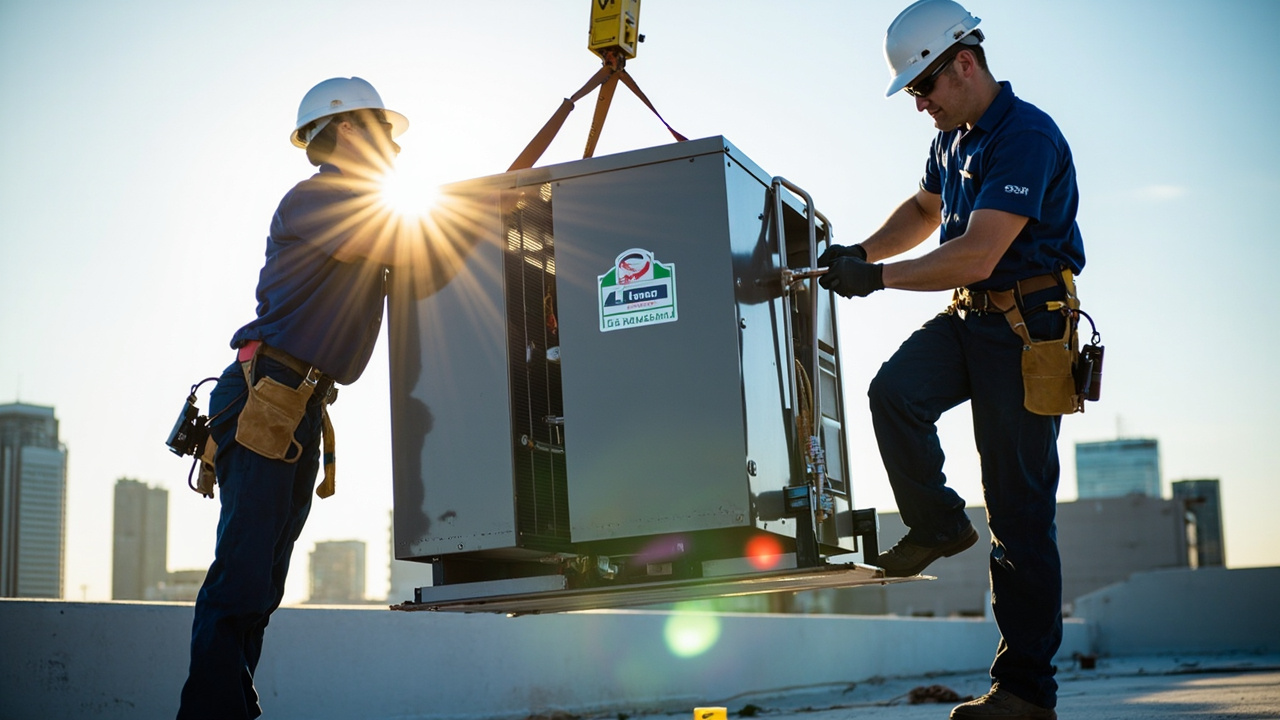
We coordinate with a licensed rigger to lift the unit onto a pre-installed roof curb. The curb must sit level, sealed with EPDM or neoprene gaskets to prevent water infiltration. We mount the RTU with spring isolators to dampen vibration, then flare and braze refrigerant lines using nitrogen purge to prevent oxidation inside the copper tubing.

Electrical connections follow NEC Article 440 for motor-compressor circuits. We install disconnect switches within line of sight, run correctly sized conductors in rigid conduit, and terminate at a dedicated breaker. We pull vacuum on the refrigerant circuit to 500 microns, charge to manufacturer specs using subcooling or superheat methods, and verify amperage draw on all three legs of the compressor contactor.

We program the thermostat or building automation system, set economizer damper limits, and test all safety controls including high-pressure cutouts, low-pressure cutouts, and freeze stats. You get a system that runs efficiently from day one.

What Happens During Your Commercial RTU Install

Rooftop Unit Installation in Austin – Minimize Downtime with Industrial-Grade RTU Systems
01

Site Survey and Engineering

We measure your existing roof curb dimensions, inspect electrical service capacity, and document gas line routing if you need a heat section. We photograph roof access points, note overhead obstructions like power lines or adjacent buildings, and confirm crane placement zones. You receive a detailed scope of work, equipment specifications, and a timeline that includes permit acquisition and utility coordination before we order the RTU.
02

Unit Delivery and Rigging

We schedule the crane for early morning to avoid traffic and wind. The rigger lifts the RTU using spreader bars to prevent cabinet damage, then lowers it onto the curb while our technicians guide it into position. We immediately secure the unit with lag bolts, connect the curb-to-unit gasket, and start rough-in work on refrigerant lines, condensate drains, and electrical conduit. The crane is gone within two hours.
03

Commissioning and Handoff

We energize the system, measure airflow at each supply register, check refrigerant pressures under load, and verify economizer operation in free cooling mode. We train your facility manager on thermostat operation, filter replacement intervals, and seasonal maintenance tasks. You receive commissioning reports, equipment manuals, and warranty registration. We schedule your first preventive maintenance visit before we leave the site.

Why Austin Property Managers Trust All Pro HVAC for RTU Replacements

We work on commercial properties across East Austin, the Mueller District, and South Lamar. We know the difference between a 2010 office build with R-30 roof insulation and a 1980s warehouse with single-ply membrane over metal decking. We adjust our installation approach based on your building's thermal envelope and occupancy patterns.

Austin Energy offers rebates up to $2,500 per ton for high-efficiency RTU installations that meet IEER thresholds. We handle the rebate paperwork, coordinate pre-installation inspections, and submit commissioning reports so you capture every dollar. We also navigate Austin's commercial permitting process, which requires engineered drawings for units above five tons and structural letters for roof loads exceeding 20 pounds per square foot.

We stock 3-ton to 25-ton package units from Trane, Carrier, and Lennox in our local warehouse. You avoid six-week lead times and inflated shipping costs. If you need a custom configuration like a dual-fuel heat pump or a unit with a high static blower for long duct runs, we coordinate factory builds and keep you updated on production timelines.

Our technicians hold EPA Universal refrigerant certifications and NATE commercial HVAC credentials. They understand the difference between installing a residential split system and a three-phase rooftop package unit with economizer controls and VAV integration. They torque electrical lugs to spec, pressure-test gas lines at 150 PSI, and leave your roof cleaner than they found

it.

You get a local team that answers calls, not a regional dispatch center in another state. You get technicians who arrive in labeled trucks, not unmarked vans. You get a company that has installed RTUs on data centers, medical offices, and retail spaces throughout Travis County for years.

What to Expect from Your RTU Installation Project

Project Timeline and Scheduling

Most commercial rooftop AC replacements take one to two days once permits clear. We schedule installations during off-hours or weekends if you cannot interrupt operations. Simple changeouts with matching curb dimensions and electrical specs finish faster. Retrofits requiring new curbs, upgraded electrical panels, or ductwork modifications take longer. We provide a detailed timeline during the site survey and send reminders 48 hours before the crane arrives. You know exactly when to expect our crew and when your system goes live.

Pre-Installation Assessment and Planning

We inspect your existing RTU to identify reusable components like roof curbs, electrical disconnects, and gas lines. We measure airflow, check ductwork for leaks, and test control wiring. If your building has multiple zones, we verify damper operation and thermostat communication. We identify code violations like missing disconnects or undersized conductors and include corrections in the proposal. You receive a written scope that details every connection, every upgrade, and every code requirement so nothing surprises you mid-project.

System Performance and Efficiency

You get an RTU sized for your load, not the same tonnage as the old unit. You get correct refrigerant charge verified by subcooling or superheat, not guesswork. You get properly tensioned belts, clean coils, and calibrated controls. We measure temperature splits across the evaporator coil, verify CFM per ton, and document amperage on all motors. Your new system delivers consistent temperatures, lower utility bills, and fewer breakdowns. You avoid the callbacks and compressor failures that plague rushed installations done by contractors chasing volume.

Maintenance Plans and Long-Term Support

We offer preventive maintenance agreements that include quarterly inspections, filter changes, coil cleaning, and refrigerant level checks. We track your equipment in our system and send reminders before service visits. We stock common parts like contactors, capacitors, and fan motors so repairs happen fast. You get priority scheduling, discounted labor rates, and extended coverage on components that fail between manufacturer warranty periods. We build relationships with property managers and facility directors who need reliable service, not one-time transactions with vendors they never see again.

Frequently Asked Questions

You Have Questions,
We Have Answers

How much does it cost to install a rooftop unit? +

Rooftop unit installation costs vary based on tonnage, SEER rating, and structural requirements. For commercial buildings in Austin, expect costs to reflect equipment capacity, crane access, electrical upgrades, and curb adapter modifications. High summer cooling loads in Central Texas often require larger tonnage units, which increases total project cost. Structural reinforcement may be necessary for older flat roofs common in Austin's commercial districts. Ductwork modifications, controls integration, and economizer installation add to the total. Request a detailed site assessment to identify building-specific factors like existing roof penetrations, electrical service capacity, and AHU compatibility. Commercial installations require permits through the City of Austin, factoring into project timelines and final cost.

What is the $5000 rule for AC? +

The $5000 rule helps property managers decide between repair and replacement. If repair costs exceed $5000 and your unit is over 10 years old, replacement typically offers better ROI. In Austin's commercial market, this calculation must account for energy costs during peak summer months when cooling represents 40-50% of building operating expenses. A failing compressor or heat exchanger on an aging rooftop unit often signals multiple component failures ahead. Downtime costs for commercial tenants add urgency to the decision. Newer units with higher SEER ratings reduce monthly utility expenses and improve tenant comfort, offsetting upfront replacement costs within three to five years.

What is the 2 foot rule for HVAC? +

The 2 foot rule requires maintaining 24 inches of clearance around all sides of rooftop HVAC equipment. This spacing allows technicians safe access for maintenance, filter changes, and emergency repairs. On Austin commercial roofs, this clearance prevents heat recirculation and ensures adequate airflow to condenser coils. Property managers must account for this spacing during initial installation to avoid code violations and efficiency losses. The rule also applies to rooftop obstacles like HVAC curbs, exhaust vents, and parapet walls. Proper clearance extends equipment life by preventing restricted airflow that forces compressors to work harder in Texas heat, reducing premature failures.

What is the 20 rule for HVAC? +

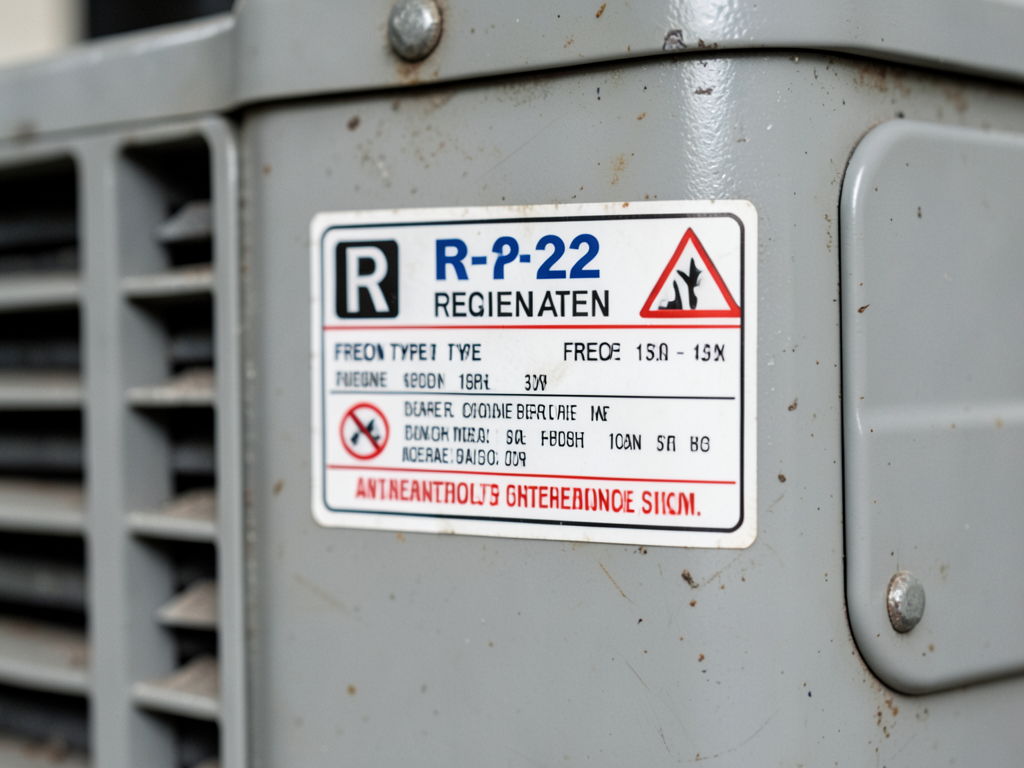
The 20 rule states that when repair costs exceed 20% of replacement cost, you should replace the unit. For commercial rooftop units in Austin, this calculation includes lost productivity from tenant complaints, emergency service premiums, and increased utility costs from inefficient operation. A $3000 repair on a unit with a $15000 replacement cost hits this threshold. Commercial property owners must also consider remaining equipment lifespan and warranty coverage. Older units use R-22 refrigerant, which carries premium pricing due to phase-out regulations. Replacement eliminates refrigerant cost risk and qualifies for utility rebates through Austin Energy's commercial programs.

How much is an AC unit for a 2000 sq ft house? +

This question addresses residential split systems, not commercial rooftop units. A 2000 square foot house typically requires a 3 to 4 ton residential system, which differs significantly from commercial rooftop package units. Commercial buildings use different load calculations based on occupancy, ventilation requirements, and heat gain from equipment and lighting. Rooftop units serve multiple zones and require engineered ductwork design. For commercial applications in Austin, load calculations must account for solar heat gain through large window areas and internal loads from computers, lighting, and occupant density. Commercial installations follow ASHRAE standards rather than residential Manual J calculations.

What is the 3 minute rule for AC? +

The 3 minute rule prevents compressor damage by requiring a minimum three-minute delay between shutdown and restart. Commercial rooftop units in Austin incorporate time-delay relays or digital controls to enforce this protection. Immediate restart attempts while refrigerant pressure remains high can burn out compressor motors, causing failures that halt business operations. Building management systems should program minimum off-cycles to protect equipment during demand response events or power fluctuations. Texas grid instability during peak summer months makes this protection critical. The rule applies during thermostat adjustments, power outages, and maintenance shutdowns. Ignoring this delay voids warranties and accelerates compressor wear.

What AC units qualify for tax credit 2025? +

Commercial rooftop units must meet ENERGY STAR certification to qualify for federal tax credits in 2025. Equipment must achieve minimum SEER2 ratings of 14.3 for split systems and specific EER ratings for package units. The Inflation Reduction Act extended Section 179D deductions for commercial building owners who install qualifying HVAC systems. Austin commercial property owners should verify equipment meets current efficiency standards before purchase. Utility rebates through Austin Energy stack with federal incentives when upgrading to high-efficiency rooftop units. Consult your tax advisor to confirm eligibility, as deduction amounts depend on building type, square footage, and overall energy reduction achieved.

Is it better to oversize or undersize an AC unit? +

Undersizing serves commercial buildings better than oversizing. Oversized rooftop units short-cycle, failing to adequately dehumidify Austin's humid air and causing tenant comfort complaints. Units that cycle on and off rapidly wear components faster and waste energy during startup. Proper load calculations account for occupancy schedules, building envelope, and internal heat gains. Commercial spaces need units that run longer cycles to maintain consistent temperatures and humidity control. Oversized equipment costs more upfront and operationally through higher peak demand charges. Professional load calculations using ASHRAE standards prevent sizing errors that compromise tenant comfort and increase operating costs throughout the equipment's 15 to 20 year lifespan.

What is the best month to buy an HVAC system? +

Fall and early winter offer the best timing for commercial rooftop unit replacement in Austin. September through November provide moderate weather that minimizes tenant impact during installation. Contractors face lower demand after summer emergency calls subside, improving scheduling flexibility and potentially reducing labor costs. Spring installation works but risks equipment delays during peak construction season. Avoid summer replacement when possible, as downtime during Austin's hottest months creates liability and tenant retention issues. Budget approval cycles in commercial real estate often align with fiscal year-end, making fall installations practical for capital expenditure planning. Schedule replacements before cooling season begins to ensure optimal performance when loads peak.

How many vents should a 1500 sq ft house have? +

This question addresses residential ductwork design, not commercial rooftop applications. A 1500 square foot house typically needs 6 to 8 supply vents plus adequate return air. Commercial buildings require engineered ventilation systems that meet ASHRAE 62.1 standards for indoor air quality. Rooftop units serve multiple zones with VAV boxes or zone dampers rather than simple residential vent counts. Commercial spaces in Austin need ventilation calculations based on occupancy density, building use type, and outdoor air requirements. Office buildings require different air changes per hour than retail or warehouse spaces. Professional mechanical engineers design commercial duct systems to balance airflow and meet code requirements.

How Austin's Rooftop Heat Islands Impact Commercial RTU Lifespan

Austin's downtown core and commercial corridors like Research Boulevard generate heat islands where ambient temperatures exceed surrounding areas by 10 to 15 degrees. Dark roofing membranes on warehouses and big-box retail stores absorb solar radiation and radiate it back into the air, creating microclimates that push RTU condenser coils beyond design limits. Units installed on roofs near IH-35 or along Ben White Boulevard run hotter, cycle more frequently, and fail sooner than units in suburban areas with tree canopy. You need rooftop package unit installation designed for elevated ambient temperatures, with oversized condenser coils, high-efficiency compressors, and shade structures where feasible.

Austin's commercial building codes require refrigerant leak detection systems on RTUs containing more than 50 pounds of R-410A. The city also enforces strict noise ordinances in mixed-use districts like East Sixth Street and the Rainey Street District, where rooftop equipment must meet nighttime decibel limits. All Pro HVAC Austin understands these local requirements and designs installations that pass inspection the first time. We work with engineers, architects, and property owners who need commercial rooftop HVAC installation that complies with city codes, satisfies tenant complaints, and runs reliably in Central Texas heat for 15 years.
HVAC Services in The Austin Area

We are proud to serve the entire area, providing exceptional HVAC services to both residential and commercial clients. Our service area is extensive, ensuring that no matter where you are located, you can count on us for reliable and prompt service. We invite you to view our location on the map and see how conveniently positioned we are to meet all of your heating and cooling needs. We are just a call away.

Address:
All Pro HVAC Austin, 313 E 12th St, Austin, TX, 78701

Additional Services We Offer

Our news updates

Latest Articles & News from The Blogs

Flexible financing options for Austin families needing a new HVAC system today\n\nReplacing your HVAC system in Austin does not have…

Flexible financing options for Austin families needing a new HVAC system today

Flexible financing options for Austin families needing a new HVAC system today\n\nReplacing your HVAC system in Austin does not have…

Finding a certified Trane repair specialist for your Great Hills home

Finding a certified Trane repair specialist for your Great Hills home When your Trane air conditioner stops working in Great…

Why getting a second opinion on your AC compressor replacement could save you thousands

Why getting a second opinion on your AC compressor replacement could save you thousands If your HVAC technician just told…

Contact Us

Your business cannot afford downtime from a failing rooftop unit. Call All Pro HVAC Austin at (737) 316-0777 to schedule a site assessment. We provide transparent proposals, engineered solutions, and installations that protect your operations.