
Why Your Walk In Pantry Is Growing Mold and How Your HVAC Can Help
Your walk-in pantry should keep food fresh not grow fuzzy green patches on the walls. In Austin Texas pantry mold is a common problem caused by our humid climate and poor ventilation. If you’ve noticed musty smells or black spots on your pantry shelves you’re dealing with more than just a cleaning issue. The real culprit is often your home’s HVAC system not doing enough to control indoor moisture.
Central Texas summers push outdoor humidity above 70% and without proper airflow that damp air seeps into enclosed spaces like pantries. These dark unventilated areas become perfect breeding grounds for mold spores. The good news is that your HVAC system can be part of the solution not just the problem.
Why Austin’s Climate Makes Your Pantry a Mold Magnet
Austin’s location in the Texas Hill Country creates a unique moisture challenge. Our hot summers combined with high dew points mean indoor air often stays above 60% relative humidity. Pantries typically lack supply or return vents so they trap this moisture. When warm humid air hits the cooler surfaces inside your pantry condensation forms creating the perfect environment for mold growth.
Most Austin homes built on slab foundations have pantries with exterior walls that experience temperature swings. These thermal bridges can drop surface temperatures below the dew point causing persistent condensation even when your AC runs normally.
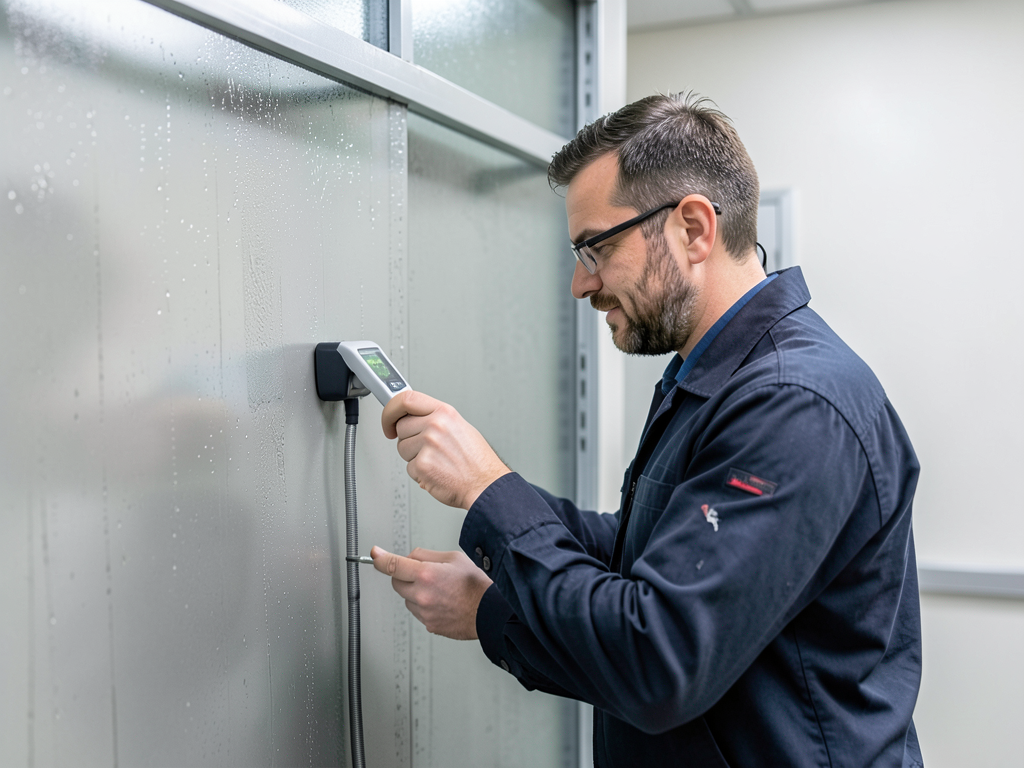
The Science of Pantry Mold: Airflow vs. Stagnation
Mold needs three things to grow: moisture organic material and the right temperature. Your pantry provides all three. Without proper air circulation humidity builds up and stays trapped. Standard HVAC systems are designed to cool and filter air but they often don’t create enough air changes per hour in small enclosed spaces.
The lack of return air in most pantries means moist air has nowhere to go. This creates what HVAC technicians call a ‘dead zone’ where humidity can climb to 70-80% even when the rest of your home stays at 50%.
5 Immediate Steps to Prevent Mold Growth Today
Before calling an HVAC specialist try these proven steps to reduce pantry moisture:
- Install a small hygrometer to monitor humidity levels. Keep readings below 50%.
- Use airtight containers for all dry goods to reduce organic material mold can feed on.
- Leave space between items on shelves to improve airflow.
- Clean surfaces with a mixture of water and white vinegar which kills mold spores naturally.
- Place moisture-absorbing packets or a small rechargeable dehumidifier inside the pantry.
These steps help but they don’t fix the underlying airflow problem. If mold keeps coming back you need mechanical solutions. Modern HVAC Solutions for Historic Homes in Tarrytown and Old West Austin.
Mechanical Solutions: How HVAC Upgrades Stop Mold Permanently
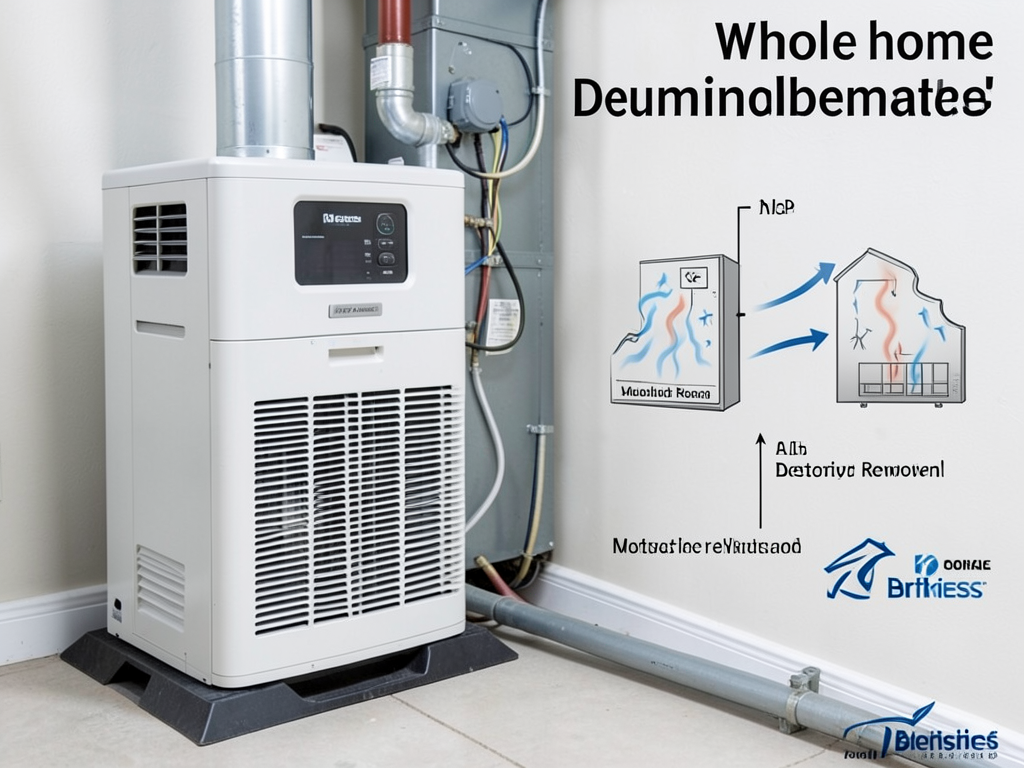
Whole-home dehumidifiers work with your existing HVAC system to maintain proper humidity levels throughout your house including the pantry. These units can remove 70-100 pints of moisture per day keeping indoor humidity between 45-55%.
Energy Recovery Ventilators (ERVs) bring fresh filtered air into your home while exhausting stale moist air. They recover energy from the outgoing air to pre-condition the incoming air reducing the load on your AC system.
Adding small supply and return vents to your pantry creates proper airflow. This allows your HVAC system to condition the space just like any other room. The investment typically pays for itself through prevented food spoilage and avoided mold remediation costs.
When to Call an Austin HVAC Specialist
Call a professional if you notice these warning signs: Fast and Professional Furnace Repair in Georgetown During the Winter Chill.
- Musty odors persist even after cleaning
- You see visible mold growth on walls or shelves
- Humidity readings in your pantry stay above 60%
- Your pantry feels noticeably warmer or cooler than adjacent rooms
- You have condensation on pantry walls or ceilings
A qualified HVAC technician will use a moisture meter to check humidity levels and may recommend a whole-home assessment. They’ll look for issues like oversized AC units that short-cycle and fail to dehumidify properly or ductwork problems that create pressure imbalances. Emergency Ductwork Repair.
According to the EPA indoor humidity should stay between 30-50% to prevent mold growth. In Austin’s climate maintaining these levels requires active dehumidification especially in enclosed spaces like pantries. EPA Mold Resources.
Frequently Asked Questions
What humidity level causes mold in pantries?
Mold typically grows when relative humidity exceeds 60%. In Austin pantries often reach 70-80% due to poor ventilation and our naturally high outdoor humidity.
Can a whole-home dehumidifier help with pantry mold?
Yes. Whole-home dehumidifiers maintain consistent humidity throughout your house keeping pantry levels below the mold growth threshold of 60%.
How much does pantry ventilation modification cost?
Adding supply and return vents to a pantry typically costs $300-$600 depending on your home’s layout and existing ductwork configuration.
Will a portable dehumidifier work for pantry mold?
Portable units can help but they require manual emptying and only treat one space. Whole-home systems provide automatic consistent control for your entire house.
How often should I check pantry humidity?
Check humidity levels weekly using a hygrometer. During Austin’s summer months you may need to adjust your HVAC settings more frequently to maintain proper levels.
Take Control of Your Pantry’s Environment Today
Mold in your pantry isn’t just unsightly it can contaminate food and damage your home. While cleaning removes visible mold it doesn’t address the moisture problem that causes it to return. Your HVAC system is the key to long-term mold prevention.
Don’t let another month go by watching mold spread through your pantry. Call (737) 316-0777 today to schedule your inspection. Our Austin HVAC specialists will assess your home’s humidity levels and recommend solutions that keep your pantry and entire home mold-free year-round.
Pick up the phone and call (737) 316-0777 before the next humidity spike hits. Your food your family and your home deserve better than moldy shelves and musty smells. For more information, visit ASHRAE Ventilation Standards.
{
“@context”: “https://schema.org”,
“@type”: “BlogPosting”,
“headline”: “Why Your Walk In Pantry Is Growing Mold and How Your HVAC Can Help”,
“description”: “Austin’s humidity causes pantry mold. Learn how HVAC upgrades like whole-home dehumidifiers stop mold growth for good. Call (737) 316-0777 for expert help.”,
“wordCount”: 999,
“datePublished”: “2026-06-04T11:25:00.000Z”,
“dateModified”: “2026-06-04T11:25:00.000Z”,
“inLanguage”: “en-US”,
“mainEntityOfPage”: {
“@type”: “WebPage”,
“@id”: “https://allprohvacaustin.com”
},
“publisher”: {
“@type”: “LocalBusiness”,
“name”: “All Pro HVAC Austin”,
“url”: “https://allprohvacaustin.com”
},
“author”: {
“@type”: “Organization”,
“name”: “All Pro HVAC Austin”,
“url”: “https://allprohvacaustin.com”
},
“image”: {
“@type”: “ImageObject”,
“url”: “https://allprohvacaustin.com/wp-content/uploads/2026/03/why-your-walk-in-pantry-is-growing-mold-and-how-yo-1.png”
}
}
{
“@context”: “https://schema.org”,
“@type”: “HVACBusiness”,
“name”: “All Pro HVAC Austin”,
“url”: “https://allprohvacaustin.com”,
“address”: {
“@type”: “PostalAddress”,
“addressLocality”: “Austin”
},
“areaServed”: {
“@type”: “City”,
“name”: “Austin”
}
}
{
“@context”: “https://schema.org”,
“@type”: “FAQPage”,
“mainEntity”: [
{
“@type”: “Question”,
“name”: “What humidity level causes mold in pantries?”,
“acceptedAnswer”: {
“@type”: “Answer”,
“text”: “Mold typically grows when relative humidity exceeds 60%. In Austin pantries often reach 70-80% due to poor ventilation and our naturally high outdoor humidity.”
}
},
{
“@type”: “Question”,
“name”: “Can a whole-home dehumidifier help with pantry mold?”,
“acceptedAnswer”: {
“@type”: “Answer”,
“text”: “Yes. Whole-home dehumidifiers maintain consistent humidity throughout your house keeping pantry levels below the mold growth threshold of 60%.”
}
},
{
“@type”: “Question”,
“name”: “How much does pantry ventilation modification cost?”,
“acceptedAnswer”: {
“@type”: “Answer”,
“text”: “Adding supply and return vents to a pantry typically costs $300-$600 depending on your home’s layout and existing ductwork configuration.”
}
},
{
“@type”: “Question”,
“name”: “Will a portable dehumidifier work for pantry mold?”,
“acceptedAnswer”: {
“@type”: “Answer”,
“text”: “Portable units can help but they require manual emptying and only treat one space. Whole-home systems provide automatic consistent control for your entire house.”
}
},
{
“@type”: “Question”,
“name”: “How often should I check pantry humidity?”,
“acceptedAnswer”: {
“@type”: “Answer”,
“text”: “Check humidity levels weekly using a hygrometer. During Austin’s summer months you may need to adjust your HVAC settings more frequently to maintain proper levels.”
}
}
]
}
{
“@context”: “https://schema.org”,
“@type”: “BreadcrumbList”,
“itemListElement”: [
{
“@type”: “ListItem”,
“position”: 1,
“name”: “Home”,
“item”: “https://allprohvacaustin.com”
},
{
“@type”: “ListItem”,
“position”: 2,
“name”: “Blog”,
“item”: “https://allprohvacaustin.com/blog”
},
{
“@type”: “ListItem”,
“position”: 3,
“name”: “Why Your Walk In Pantry Is Growing Mold and How Your HVAC Can Help”
}
]
}
{
“@context”: “https://schema.org”,
“@type”: “Service”,
“serviceType”: “HVAC”,
“provider”: {
“@type”: “LocalBusiness”,
“name”: “All Pro HVAC Austin”,
“url”: “https://allprohvacaustin.com”
},
“areaServed”: {
“@type”: “City”,
“name”: “Austin”
},
“description”: “Austin’s humidity causes pantry mold. Learn how HVAC upgrades like whole-home dehumidifiers stop mold growth for good. Call (737) 316-0777 for expert help.”
}