
Why Your Radiant Barrier Might Be Making Your AC Work Harder in Buda
Radiant barriers reflect heat away from your attic, but in Buda’s humid climate, improper installation can trap moisture and reduce HVAC efficiency. Many homeowners install these barriers expecting lower energy bills, only to find their air conditioner running longer cycles and struggling to maintain comfortable temperatures.. Read more about Dealing with Bats in Your Attic and What It Means for Your Air Quality.
The problem often stems from Buda’s unique combination of intense summer heat and high humidity levels. When radiant barriers are installed without proper attic ventilation or vapor barriers, they can create condensation issues that affect both your insulation and HVAC system performance.
How Radiant Barriers Work in Central Texas Homes
Radiant barriers use reflective materials to block heat transfer through radiation. In theory, they prevent solar heat from penetrating your attic space, reducing the workload on your air conditioning system. However, the effectiveness depends heavily on installation quality and your home’s specific construction.
Buda homes typically feature attic ductwork running through unconditioned spaces. When radiant barriers are improperly installed, they can actually increase the temperature differential between your ducts and the surrounding air, causing your AC to work harder to maintain consistent airflow and temperature. Emergency Ductwork Repair.
Common Installation Mistakes That Hurt HVAC Performance
Many Buda homeowners hire general contractors for radiant barrier installation without understanding HVAC system dynamics. Common mistakes include blocking soffit vents, creating vapor traps, and installing barriers too close to ductwork without proper clearance.
The most frequent issue we see involves radiant barriers installed directly over existing insulation. This creates a moisture sandwich where condensation forms between layers, leading to mold growth and reduced R-value of your insulation. Your AC then has to compensate for both the heat gain and the moisture load.
The Humidity Factor: Buda’s Hidden Challenge
Buda experiences humidity levels that can exceed 70% during summer months. Standard radiant barrier installations don’t account for this moisture load. When warm, humid air contacts the cool surface of your ductwork or AC unit, condensation forms, creating the perfect environment for mold and reducing system efficiency.
According to the EPA’s guidelines for moisture control in buildings, proper ventilation is critical in humid climates. Many Buda homes lack the adequate attic ventilation needed to prevent moisture accumulation when radiant barriers are installed. EPA moisture control guidelines.
Diagnostic Signs Your Barrier Is Causing Problems
Several warning signs indicate your radiant barrier might be hurting rather than helping your AC performance. You might notice longer cooling cycles, higher humidity levels inside your home, or condensation forming on ductwork in your attic.
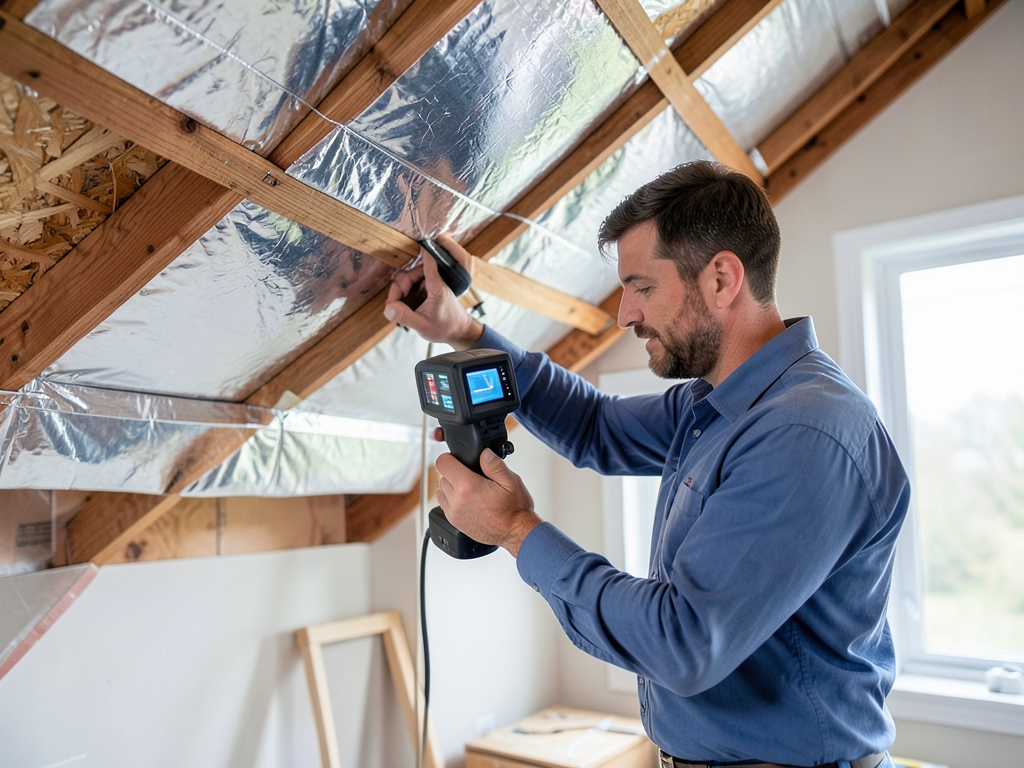
During our diagnostic inspections, we use thermal imaging cameras to detect temperature variations and moisture meters to measure humidity levels in attic spaces. These tools help us identify whether your radiant barrier installation is creating thermal bridges or moisture traps.
Proper Installation Techniques for Buda Homes
Effective radiant barrier installation in Buda requires understanding local building codes and climate conditions. The City of Austin’s Energy Conservation Audit and Disclosure (ECAD) ordinance sets specific requirements for energy efficiency improvements, including proper ventilation calculations. Local AC Repair and Cooling Experts in South Lamar and Barton Hills.
Professional installation should include: maintaining proper spacing between the barrier and ductwork, ensuring continuous soffit-to-ridge ventilation, and using perforated barriers that allow moisture to escape rather than trapping it against your insulation. Fast and Professional Furnace Repair in Georgetown During the Winter Chill.
When Radiant Barriers Actually Help Your AC
Radiant barriers can provide significant benefits when properly installed in Buda homes. They work best in attics with sealed ductwork, proper ventilation systems, and when combined with adequate insulation. The key is ensuring your installation doesn’t interfere with your HVAC system’s ability to remove moisture from your home.
We’ve seen successful installations where barriers reduced attic temperatures by 20-30 degrees Fahrenheit, leading to measurable improvements in AC efficiency. However, these results depend on addressing the underlying moisture and ventilation issues first.
Professional Assessment: The First Step
Before investing in radiant barrier installation, schedule a professional HVAC assessment. A qualified technician can evaluate your current system performance, inspect your attic ventilation, and determine whether a radiant barrier would actually benefit your specific situation.
During our assessments, we check for signs of moisture damage, measure temperature differentials, and evaluate your ductwork insulation. This diagnostic process helps us recommend solutions that improve efficiency without creating new problems. Modern HVAC Solutions for Historic Homes in Tarrytown and Old West Austin.
Alternative Solutions for Buda Homes
Sometimes the best solution isn’t a radiant barrier at all. Improving attic ventilation, upgrading insulation, or sealing ductwork leaks can provide better results for many Buda homeowners. These solutions address the root causes of heat gain and moisture problems without the potential complications of radiant barriers.
According to the Department of Energy, proper attic ventilation can reduce cooling costs by up to 15% in hot, humid climates. This approach often provides better long-term results than radiant barriers alone.
Cost-Benefit Analysis for Buda Homeowners
The return on investment for radiant barriers varies significantly based on your home’s construction and existing insulation. In Buda’s climate, poorly installed barriers can actually increase energy costs by forcing your AC to work harder to remove excess moisture.
Professional installation costs typically range from $1,500 to $3,000 for an average Buda home. However, if the installation creates moisture problems, you could face additional costs for mold remediation, insulation replacement, and increased utility bills.
Maintenance and Monitoring
If you already have a radiant barrier installed, regular monitoring is essential. Check your attic monthly during summer months for signs of moisture, mold, or reduced airflow. Pay attention to any changes in your AC’s performance, such as longer cooling cycles or increased humidity levels inside your home.
Professional maintenance should include inspection of your radiant barrier’s condition, checking ventilation systems, and ensuring your HVAC system is properly sized for your home’s heat load and moisture removal needs.
Making the Right Decision for Your Home
The decision to install a radiant barrier should be based on a thorough evaluation of your home’s specific conditions. Factors like your attic’s current ventilation, existing insulation levels, and the condition of your ductwork all influence whether a radiant barrier will help or hurt your AC performance.
Many Buda homeowners find that addressing ventilation and moisture control issues provides better results than installing a radiant barrier. The key is working with professionals who understand the complex interactions between radiant barriers, HVAC systems, and Buda’s unique climate challenges.
Frequently Asked Questions
Will a radiant barrier void my HVAC warranty?
Improper installation that affects your HVAC system’s performance could potentially void warranties. Always consult with a licensed HVAC professional before making modifications that could impact your system’s operation.
How long do radiant barriers last in Buda’s climate?
Quality radiant barriers typically last 10-15 years in Central Texas, but their effectiveness can diminish faster if moisture problems develop. Regular inspections help identify issues before they become major problems.
Can I install a radiant barrier myself?
While DIY installation is possible, the complex interactions between radiant barriers, moisture control, and HVAC systems make professional installation highly recommended. Mistakes can lead to costly repairs and reduced system efficiency. Emergency AC Repair Services for Homes in West Lake Hills.
What’s the difference between radiant barriers and reflective insulation?
Radiant barriers use a single reflective surface to block heat transfer, while reflective insulation combines reflective materials with traditional insulation. Reflective insulation often provides better moisture control in humid climates like Buda’s.
How do I know if my current barrier is causing problems?
Signs include increased cooling costs, longer AC cycles, higher indoor humidity, condensation on ductwork, or visible moisture in your attic. A professional assessment can identify specific issues affecting your system’s performance.
Call (737) 316-0777 for Your Professional Assessment
Don’t let a poorly installed radiant barrier make your AC work harder than necessary. Our experienced technicians understand Buda’s unique climate challenges and can evaluate whether your current system is working efficiently or creating hidden problems.
We provide comprehensive assessments that include thermal imaging, moisture testing, and detailed analysis of your HVAC system’s performance. Our goal is to help you achieve optimal comfort and efficiency without the costly mistakes that come from improper radiant barrier installation.
Call (737) 316-0777 today to schedule your professional assessment. We’ll help you understand your options and recommend solutions that actually improve your home’s comfort and efficiency. Don’t wait until minor issues become major problems that cost thousands to fix. For more information, visit Energy.gov radiant barrier guide.
You may also find this helpful. Why Your Upstairs Is Still Hot Even After Replacing the AC in Avery Ranch.
{
“@context”: “https://schema.org”,
“@type”: “BlogPosting”,
“headline”: “Why Your Radiant Barrier Might Be Making Your AC Work Harder in Buda”,
“description”: “Discover why your radiant barrier could be increasing your AC workload in Buda. Learn about proper installation, humidity issues, and when barriers actually help.”,
“wordCount”: 1415,
“datePublished”: “2026-05-05T11:23:00.000Z”,
“dateModified”: “2026-05-05T11:23:00.000Z”,
“inLanguage”: “en-US”,
“mainEntityOfPage”: {
“@type”: “WebPage”,
“@id”: “https://allprohvacaustin.com”
},
“publisher”: {
“@type”: “LocalBusiness”,
“name”: “All Pro HVAC Austin”,
“url”: “https://allprohvacaustin.com”
},
“author”: {
“@type”: “Organization”,
“name”: “All Pro HVAC Austin”,
“url”: “https://allprohvacaustin.com”
},
“image”: {
“@type”: “ImageObject”,
“url”: “https://allprohvacaustin.com/wp-content/uploads/2026/03/why-your-radiant-barrier-might-be-making-your-ac-w-1.png”
}
}
{
“@context”: “https://schema.org”,
“@type”: “HVACBusiness”,
“name”: “All Pro HVAC Austin”,
“url”: “https://allprohvacaustin.com”,
“address”: {
“@type”: “PostalAddress”,
“addressLocality”: “Austin”
},
“areaServed”: {
“@type”: “City”,
“name”: “Austin”
}
}
{
“@context”: “https://schema.org”,
“@type”: “FAQPage”,
“mainEntity”: [
{
“@type”: “Question”,
“name”: “Will a radiant barrier void my HVAC warranty?”,
“acceptedAnswer”: {
“@type”: “Answer”,
“text”: “Improper installation that affects your HVAC system’s performance could potentially void warranties. Always consult with a licensed HVAC professional before making modifications that could impact your system’s operation.”
}
},
{
“@type”: “Question”,
“name”: “How long do radiant barriers last in Buda’s climate?”,
“acceptedAnswer”: {
“@type”: “Answer”,
“text”: “Quality radiant barriers typically last 10-15 years in Central Texas, but their effectiveness can diminish faster if moisture problems develop. Regular inspections help identify issues before they become major problems.”
}
},
{
“@type”: “Question”,
“name”: “Can I install a radiant barrier myself?”,
“acceptedAnswer”: {
“@type”: “Answer”,
“text”: “While DIY installation is possible, the complex interactions between radiant barriers, moisture control, and HVAC systems make professional installation highly recommended. Mistakes can lead to costly repairs and reduced system efficiency. Emergency AC Repair Services for Homes in West Lake Hills.”
}
},
{
“@type”: “Question”,
“name”: “What’s the difference between radiant barriers and reflective insulation?”,
“acceptedAnswer”: {
“@type”: “Answer”,
“text”: “Radiant barriers use a single reflective surface to block heat transfer, while reflective insulation combines reflective materials with traditional insulation. Reflective insulation often provides better moisture control in humid climates like Buda’s.”
}
},
{
“@type”: “Question”,
“name”: “How do I know if my current barrier is causing problems?”,
“acceptedAnswer”: {
“@type”: “Answer”,
“text”: “Signs include increased cooling costs, longer AC cycles, higher indoor humidity, condensation on ductwork, or visible moisture in your attic. A professional assessment can identify specific issues affecting your system’s performance.”
}
}
]
}
{
“@context”: “https://schema.org”,
“@type”: “BreadcrumbList”,
“itemListElement”: [
{
“@type”: “ListItem”,
“position”: 1,
“name”: “Home”,
“item”: “https://allprohvacaustin.com”
},
{
“@type”: “ListItem”,
“position”: 2,
“name”: “Blog”,
“item”: “https://allprohvacaustin.com/blog”
},
{
“@type”: “ListItem”,
“position”: 3,
“name”: “Why Your Radiant Barrier Might Be Making Your AC Work Harder in Buda”
}
]
}
{
“@context”: “https://schema.org”,
“@type”: “Service”,
“serviceType”: “HVAC”,
“provider”: {
“@type”: “LocalBusiness”,
“name”: “All Pro HVAC Austin”,
“url”: “https://allprohvacaustin.com”
},
“areaServed”: {
“@type”: “City”,
“name”: “Austin”
},
“description”: “Discover why your radiant barrier could be increasing your AC workload in Buda. Learn about proper installation, humidity issues, and when barriers actually help.”
}