
Why Your New Home in Easton Park Already Needs an Air Duct Inspection
Construction dust is still settling in your new Easton Park home. That fine white powder coating every surface? It’s also coating your air ducts right now. Before you unpack another box, you need to know what’s circulating through your HVAC system.. Read more about Why Your Upstairs Is Still Hot Even After Replacing the AC in Avery Ranch.
The gypsum dust from drywall installation, silica particles from concrete cutting, and sawdust from framing are all trapped inside your ductwork. These microscopic particles are not just a cleaning nuisance. They’re actively damaging your HVAC system and affecting your indoor air quality.
Central Texas construction sites produce massive amounts of particulate matter. In Easton Park’s new developments, multiple homes are being built simultaneously. The dust doesn’t stay contained. It travels through open vents, under doors, and through shared air handling systems. Even brand new ductwork installed by builders can be contaminated before you move in.
The EPA classifies construction dust as a particulate matter hazard. When your HVAC system turns on, it’s not just moving air. It’s distributing construction debris throughout your entire home. Every breath you take indoors could contain silica dust, wood particles, and chemical residues from adhesives and finishes. EPA guidance on air duct cleaning.
Your brand new HVAC system is already working harder than it should. Construction dust clogs air filters within days instead of months. It coats evaporator coils, reducing heat exchange efficiency by up to 30%. The blower motor bearings grind against abrasive particles, shortening motor life by years. What should be a 15-20 year system might fail in 5-7 years without proper cleaning.. Read more about Why Your Radiant Barrier Might Be Making Your AC Work Harder in Buda.
Easton Park residents are reporting strange HVAC behaviors. Systems short cycle because restricted airflow triggers safety sensors. Some homeowners notice their AC runs constantly but never cools properly. Others experience musty odors when the heat first turns on. These are all classic signs of construction debris in ductwork.. Read more about HVAC Maintenance Checklist for First Time Homeowners in Wells Branch.
The humidity in Central Texas makes construction dust problems worse. Our high moisture content causes dust to clump and stick to duct surfaces. Over time, this creates a sludge that harbors mold spores and bacteria. The combination of construction particulates and Austin’s notorious allergens creates a perfect storm for respiratory issues.. Read more about Troubleshooting airflow issues in two story homes near Walnut Creek.
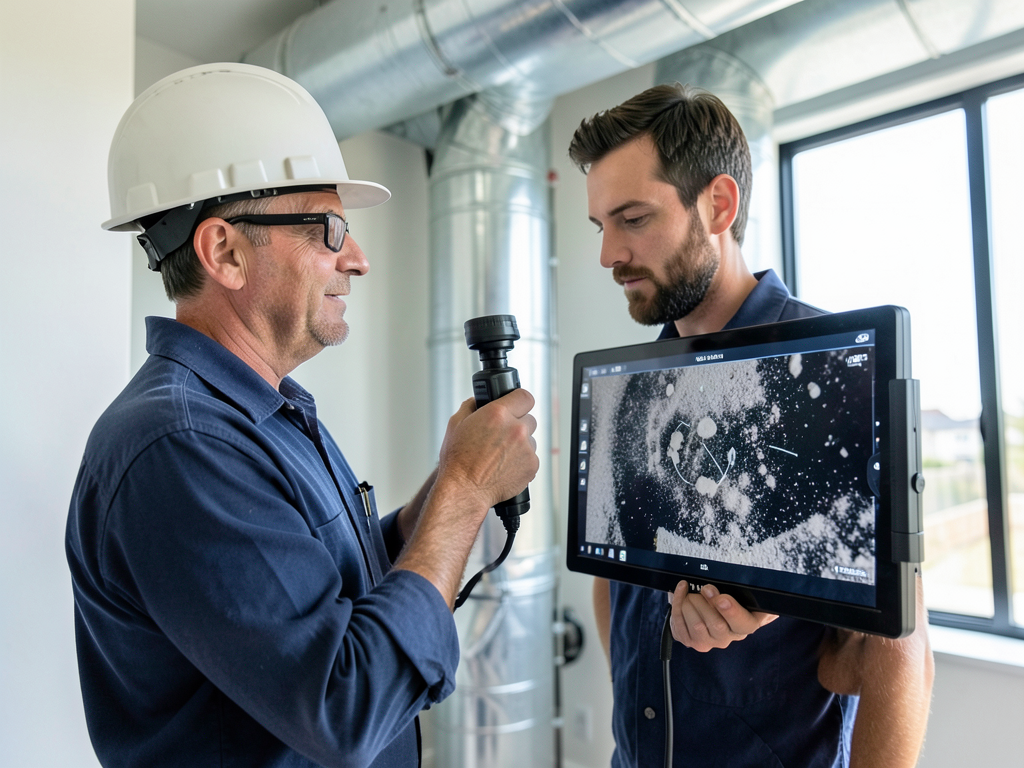
Professional duct inspection uses specialized cameras to see inside your ductwork. Technicians can identify construction debris, measure contamination levels, and assess system damage. This isn’t a visual check from your floor vents. It’s a comprehensive diagnostic using borescopes and particle counters. Fast and Professional Furnace Repair in Georgetown During the Winter Chill.
The cost of inspection is minimal compared to the potential damage. A basic inspection might cost $150-300. Replacing a damaged blower motor runs $800-1500. Complete system replacement due to construction debris damage? That’s $5000-12000. The math is simple.
Easton Park’s location near major construction corridors means your home is constantly exposed to airborne particulates. Even if your immediate neighbors aren’t building, the surrounding developments are generating dust that settles on your property.
What Construction Dust Does to Your HVAC System
Construction dust isn’t like household dust. It’s abrasive, chemically active, and often contains harmful particles. When these materials enter your HVAC system, they cause specific types of damage.
Gypsum dust from drywall is particularly problematic. It’s alkaline and can corrode metal components. The fine particles are smaller than one micron, allowing them to pass through standard filters and coat internal components. Over time, this creates an insulating layer that reduces heat transfer efficiency.
Sawdust from framing and trim work contains resins and chemicals. When heated by your HVAC system, these compounds can off-gas volatile organic compounds. The combination of heat and organic material also creates ideal conditions for mold growth inside ductwork.
Silica dust from concrete cutting is a known carcinogen. The EPA and OSHA have strict regulations about silica exposure. While outdoor exposure is regulated on construction sites, indoor exposure in new homes often goes unchecked. Your HVAC system can concentrate these particles throughout your living space.
Insulation fibers from installation can also enter ductwork. These fiberglass particles cause skin irritation and respiratory issues. They’re particularly concerning for families with young children or elderly residents who may have compromised immune systems.
The physical damage to HVAC components is measurable. A one-sixteenth inch coating of dust on evaporator coils can reduce cooling efficiency by 21%. Blower motor bearings operating in dusty conditions wear out 3-4 times faster than normal. Air filters clogged with construction debris restrict airflow, causing systems to work harder and consume more energy.
The Hidden Health Risks in Your New Home
Your brand new home should be a healthy environment. Construction dust contamination turns it into a potential health hazard. The particles circulating through your HVAC system are smaller than what your body’s natural defenses can filter.
PM2.5 and PM10 particulates from construction sites penetrate deep into lung tissue. These particles can trigger asthma attacks, cause chronic bronchitis, and exacerbate existing respiratory conditions. For children and elderly residents, the risks are even higher.
Austin’s allergy season compounds the problem. Cedar fever, oak pollen, and grass allergens bind to construction dust particles. This creates larger, stickier particles that your HVAC system distributes throughout your home. What should be filtered out becomes concentrated indoors.
Volatile organic compounds from construction adhesives, paints, and finishes mix with dust particles. When heated by your HVAC system, these compounds off-gas into your living space. The combination of heat, moisture, and chemical residues creates indoor air quality worse than outdoor air in some cases.
Construction dust also harbors bacteria and mold spores. The dark, moist environment inside ductwork provides perfect conditions for microbial growth. Once established, mold colonies release spores that your HVAC system continuously circulates.
Indoor air quality monitors in new Easton Park homes have recorded particle counts 3-5 times higher than recommended levels. The most concerning readings occur when HVAC systems first start after periods of inactivity. This initial blast releases accumulated debris throughout the home.
DIY Inspection: What to Look For in Your Ductwork
You can identify potential construction dust problems without professional equipment. These simple checks can reveal whether your ductwork needs immediate attention.
Check your air return grille. Construction dust often leaves a visible layer of white or gray powder. If you see buildup within the first month of occupancy, your ducts likely need cleaning. The return grille should be relatively clean in a new home.
Examine your air filters monthly. Construction dust clogs filters much faster than normal household dust. If you’re changing filters every 2-3 weeks instead of every 2-3 months, your system is working harder than it should. The filters may appear uniformly gray or have visible debris buildup.
Listen to your HVAC system when it starts. Grinding or rattling noises often indicate debris in the blower assembly. A healthy system should start quietly and run smoothly. Unusual sounds suggest mechanical interference from dust or debris.
Check for dust accumulation on vents and registers. New homes should have minimal dust buildup. If you’re constantly cleaning vents or notice dust trails near floor registers, construction debris is likely in your ductwork.
Monitor your energy bills. Construction dust reduces HVAC efficiency, causing higher energy consumption. If your bills are 20-30% higher than expected for your home size and weather conditions, restricted airflow from debris could be the cause.
Notice any unusual odors when your system runs. Musty or chemical smells often indicate construction debris or microbial growth in ductwork. These odors may be more noticeable when switching between heating and cooling modes. Geothermal Heating & Cooling.
Professional Inspection Process: What We Actually Do
Professional duct inspection goes far beyond what homeowners can see. We use specialized equipment to diagnose construction dust contamination accurately.
The process starts with a visual inspection using high-resolution borescopes. These cameras provide real-time video of duct interiors, revealing contamination levels, debris types, and any physical damage. We can identify whether you’re dealing with construction dust, mold, or a combination of contaminants.
Particle counting devices measure airborne particulate levels in your home. These meters distinguish between different particle sizes, helping us determine if your indoor air quality meets EPA standards. Construction dust often creates particle counts 3-4 times higher than normal.
We test airflow rates at each vent to identify restrictions. Construction debris creates pressure drops that reduce system efficiency. By measuring airflow, we can pinpoint problem areas and determine if cleaning is necessary.
Thermal imaging cameras detect temperature variations that indicate restricted airflow or insulation problems. These variations often reveal where construction debris is most concentrated in your ductwork.
The inspection includes checking all HVAC components. We examine blower motors, evaporator coils, and heat exchangers for dust buildup. Even if your ducts are clean, debris in these components can cause the same problems as contaminated ductwork.
We provide a detailed report with photos, particle count readings, and specific recommendations. This documentation is valuable for warranty claims or negotiations with builders if construction dust damage is discovered.
Easton Park Construction: Why This Neighborhood is Different
Easton Park’s rapid development creates unique HVAC challenges. The scale of construction in this area means constant exposure to airborne particulates from multiple sources.
The limestone bedrock common in this area produces fine mineral dust during excavation. This dust is heavier than typical construction debris and settles quickly on surfaces. When disturbed by HVAC airflow, it creates abrasive particles that damage system components.
Easton Park’s modern construction methods often use spray foam insulation. While energy efficient, the installation process generates significant dust and chemical residues. These materials can enter ductwork before it’s sealed, creating contamination that standard cleaning methods may not fully address. Modern HVAC Solutions for Historic Homes in Tarrytown and Old West Austin.
The neighborhood’s proximity to major highways means additional dust and exhaust particulates. Construction vehicles tracking dirt and debris from roads add to the airborne particle load. Your HVAC system is constantly filtering outdoor contaminants even before construction dust is factored in.
Easton Park’s elevation changes create microclimates within the development. Homes on higher ground may experience different dust patterns than those in lower areas. This affects how construction debris settles and distributes through HVAC systems.
The development’s phased construction means some homes are surrounded by active building sites for months or years. This ongoing exposure to construction activity makes duct inspection and cleaning a recurring need rather than a one-time service.
Cost Comparison: Inspection vs. Replacement
| Service Type | Typical Cost Range | Long-term Impact |
|---|---|---|
| Basic Duct Inspection | $150 – $300 | Identifies problems early, prevents damage |
| Professional Duct Cleaning | $400 – $900 | Restores efficiency, extends system life |
| Blower Motor Replacement | $800 – $1,500 | Fixes immediate problem, no prevention |
| Evaporator Coil Cleaning | $300 – $600 | Restores cooling efficiency |
| Complete System Replacement | $5,000 – $12,000 | Addresses all issues, highest cost |
Post-Construction Cleaning Standards and Best Practices
The National Air Duct Cleaners Association (NADCA) establishes industry standards for duct cleaning. These standards become particularly important for post-construction cleaning where contamination levels are typically much higher than normal residential conditions.
NADCA’s ACR 2013 standard specifies cleaning procedures for different contamination levels. Post-construction cleaning often falls into the highest contamination category, requiring more intensive cleaning methods and specialized equipment.
The EPA recommends duct cleaning when construction dust is visible inside ductwork or when residents experience unexplained respiratory issues. For new homes in construction-heavy areas like Easton Park, these conditions are often met within the first month of occupancy.
Professional cleaning uses negative pressure systems that create a vacuum throughout the duct system. This prevents dust from escaping into your living space during cleaning. The process typically takes 3-5 hours for a standard home and requires specialized equipment not available to consumers.
HEPA filtration is critical for post-construction cleaning. Standard shop vacuums cannot capture the fine particles generated during construction. Professional equipment uses multi-stage filtration systems that capture particles down to 0.3 microns.
Post-construction cleaning often reveals additional issues. We frequently find disconnected ducts, damaged insulation, or construction debris in mechanical rooms. These discoveries can prevent future problems and improve overall system performance.
Protecting Your Investment: Maintenance Schedule
New homeowners in Easton Park should establish a proactive maintenance schedule. Construction dust exposure doesn’t end when your home is complete.
Schedule your initial duct inspection within 30 days of moving in. This baseline assessment identifies any immediate contamination issues. If construction dust is present, prompt cleaning prevents long-term damage.
Change air filters monthly for the first three months. Construction dust clogs filters much faster than normal household dust. After this initial period, you can return to the standard three-month replacement schedule if filters remain relatively clean.
Consider professional duct cleaning 6-12 months after moving in. This removes any residual construction debris that settled after your initial inspection. It also addresses any dust generated during final landscaping or exterior work.
Install high-quality air filters with MERV ratings of 11-13. These filters capture smaller particles than standard filters while maintaining adequate airflow. The higher cost is offset by improved air quality and system protection.
Monitor your HVAC system’s performance quarterly. Note any changes in noise levels, airflow, or energy consumption. Early detection of problems prevents minor issues from becoming major repairs. Emergency AC Repair Services for Homes in West Lake Hills.
Insurance and Warranty Considerations
Construction dust damage may affect your HVAC warranty coverage. Many manufacturers specify clean, debris-free installation conditions. If construction dust causes premature system failure, warranty claims may be denied.
Review your builder’s warranty documentation. Some new home warranties include coverage for HVAC system cleaning if construction debris is discovered within the first year. This coverage often requires professional documentation of the contamination.
Homeowner’s insurance may cover duct cleaning if construction dust causes property damage or health issues. Document any respiratory problems, property damage, or system failures that could be construction-related.
Keep all inspection and cleaning receipts. These documents establish a maintenance history that can be valuable for future warranty claims or home sales. Professional documentation also helps if you need to address issues with your builder.
Consider requesting construction dust testing as part of your final walkthrough. Some builders offer this service to document that systems were clean at completion. If issues are found, they become the builder’s responsibility rather than yours.
Frequently Asked Questions
How soon after moving in should I get my ducts inspected?
Schedule an inspection within 30 days of moving in. Construction dust continues to settle for several weeks after completion, so early detection prevents long-term damage to your HVAC system.
Can I clean my ducts myself with a shop vac?
DIY cleaning with household equipment is ineffective for construction dust. Professional equipment uses negative pressure and HEPA filtration to capture fine particles that shop vacs cannot contain.
Will construction dust void my HVAC warranty?
Premature system failure due to construction dust may void manufacturer warranties. Many warranties require proper maintenance and prohibit damage from external contaminants.
How long does professional duct cleaning take?
Most residential duct cleaning takes 3-5 hours. Post-construction cleaning may take longer due to higher contamination levels and the need for more thorough cleaning methods.
What’s the difference between construction dust and regular household dust?
Construction dust contains abrasive particles like silica and gypsum that are much smaller and more harmful than household dust. It also includes chemical residues and organic materials that create additional health risks.
Take Action Before Your System Suffers
Construction dust in your new Easton Park home isn’t just a cleaning nuisance. It’s actively damaging your HVAC system and affecting your family’s health. The fine particles circulating through your ductwork are reducing efficiency, shortening equipment life, and potentially causing respiratory issues.
Professional inspection costs a fraction of what system replacement would require. The $150-300 inspection fee could save you thousands in premature repairs or replacement. More importantly, it protects your family’s health by identifying airborne contaminants before they cause problems. Local AC Repair and Cooling Experts in South Lamar and Barton Hills.
Easton Park’s rapid development means constant exposure to construction particulates. Your home deserves protection from these ongoing environmental challenges. Don’t wait until your system fails or your family experiences health issues.
Call (737) 316-0777 today to schedule your comprehensive duct inspection. Our certified technicians use professional equipment to diagnose construction dust contamination and provide clear recommendations for protecting your investment. The inspection takes less than an hour but could save you thousands and ensure your family breathes clean air in your new home.
Pick up the phone and call (737) 316-0777 before the next storm hits. Construction dust problems only get worse with time, and your HVAC system is working harder than it should right now. Protect your investment and your family’s health with professional inspection today. For more information, visit CDC information on silica dust hazards.
{
“@context”: “https://schema.org”,
“@type”: “BlogPosting”,
“headline”: “Why Your New Home in Easton Park Already Needs an Air Duct Inspection”,
“description”: “Construction dust in your new Easton Park home could be clogging your HVAC system right now. Learn why immediate duct inspection is critical for your health and efficiency.”,
“wordCount”: 2771,
“datePublished”: “2026-04-26T11:43:00.000Z”,
“dateModified”: “2026-04-26T11:43:00.000Z”,
“inLanguage”: “en-US”,
“mainEntityOfPage”: {
“@type”: “WebPage”,
“@id”: “https://allprohvacaustin.com”
},
“publisher”: {
“@type”: “LocalBusiness”,
“name”: “All Pro HVAC Austin”,
“url”: “https://allprohvacaustin.com”
},
“author”: {
“@type”: “Organization”,
“name”: “All Pro HVAC Austin”,
“url”: “https://allprohvacaustin.com”
},
“image”: {
“@type”: “ImageObject”,
“url”: “https://allprohvacaustin.com/wp-content/uploads/2026/03/why-your-new-home-in-easton-park-already-needs-an-1.png”
}
}
{
“@context”: “https://schema.org”,
“@type”: “HVACBusiness”,
“name”: “All Pro HVAC Austin”,
“url”: “https://allprohvacaustin.com”,
“address”: {
“@type”: “PostalAddress”,
“addressLocality”: “Austin”
},
“areaServed”: {
“@type”: “City”,
“name”: “Austin”
}
}
{
“@context”: “https://schema.org”,
“@type”: “FAQPage”,
“mainEntity”: [
{
“@type”: “Question”,
“name”: “How soon after moving in should I get my ducts inspected?”,
“acceptedAnswer”: {
“@type”: “Answer”,
“text”: “Schedule an inspection within 30 days of moving in. Construction dust continues to settle for several weeks after completion, so early detection prevents long-term damage to your HVAC system.”
}
},
{
“@type”: “Question”,
“name”: “Can I clean my ducts myself with a shop vac?”,
“acceptedAnswer”: {
“@type”: “Answer”,
“text”: “DIY cleaning with household equipment is ineffective for construction dust. Professional equipment uses negative pressure and HEPA filtration to capture fine particles that shop vacs cannot contain.”
}
},
{
“@type”: “Question”,
“name”: “Will construction dust void my HVAC warranty?”,
“acceptedAnswer”: {
“@type”: “Answer”,
“text”: “Premature system failure due to construction dust may void manufacturer warranties. Many warranties require proper maintenance and prohibit damage from external contaminants.”
}
},
{
“@type”: “Question”,
“name”: “How long does professional duct cleaning take?”,
“acceptedAnswer”: {
“@type”: “Answer”,
“text”: “Most residential duct cleaning takes 3-5 hours. Post-construction cleaning may take longer due to higher contamination levels and the need for more thorough cleaning methods.”
}
},
{
“@type”: “Question”,
“name”: “What’s the difference between construction dust and regular household dust?”,
“acceptedAnswer”: {
“@type”: “Answer”,
“text”: “Construction dust contains abrasive particles like silica and gypsum that are much smaller and more harmful than household dust. It also includes chemical residues and organic materials that create additional health risks.”
}
}
]
}
{
“@context”: “https://schema.org”,
“@type”: “BreadcrumbList”,
“itemListElement”: [
{
“@type”: “ListItem”,
“position”: 1,
“name”: “Home”,
“item”: “https://allprohvacaustin.com”
},
{
“@type”: “ListItem”,
“position”: 2,
“name”: “Blog”,
“item”: “https://allprohvacaustin.com/blog”
},
{
“@type”: “ListItem”,
“position”: 3,
“name”: “Why Your New Home in Easton Park Already Needs an Air Duct Inspection”
}
]
}
{
“@context”: “https://schema.org”,
“@type”: “Service”,
“serviceType”: “HVAC”,
“provider”: {
“@type”: “LocalBusiness”,
“name”: “All Pro HVAC Austin”,
“url”: “https://allprohvacaustin.com”
},
“areaServed”: {
“@type”: “City”,
“name”: “Austin”
},
“description”: “Construction dust in your new Easton Park home could be clogging your HVAC system right now. Learn why immediate duct inspection is critical for your health and efficiency.”
}