
The Hidden Connection Between Pflugerville Soil and Your HVAC System
Living in Pflugerville means dealing with Texas’s notorious expansive clay soil, which can wreak havoc on your home’s foundation and, surprisingly, your HVAC system. The Blackland Prairie soil that dominates our area expands when wet and contracts during dry spells, creating constant movement beneath your home’s slab. This seasonal shifting puts tremendous stress on under-slab ductwork, often causing separations, leaks, and complete system failures that many homeowners never connect to their foundation problems. Texas Department of Licensing and Regulation.
The physics are straightforward but devastating. When your foundation heaves or settles, the rigid metal plenums and flexible duct connections underneath your slab don’t move with it gracefully. Instead, they shear apart, creating gaps where conditioned air escapes into the ground rather than your living space. In Pflugerville’s climate, where we experience both drought conditions and flash flooding within the same year, this soil movement accelerates, potentially damaging ductwork multiple times annually. Emergency Ductwork Repair.
According to the International Residential Code (IRC Section R403.1), foundation movement should be minimized through proper soil preparation and moisture control. However, many older Pflugerville homes were built before these standards were strictly enforced, making them particularly vulnerable to foundation-related HVAC damage.
5 Warning Signs Foundation Shifting Has Damaged Your Ductwork
Recognizing the symptoms of foundation-induced duct damage can save you thousands in wasted energy costs and prevent indoor air quality issues. Here are the five most common indicators that your Pflugerville home’s foundation movement has compromised your HVAC system:
- Sudden Hot or Cold Spots – If certain rooms suddenly feel warmer or cooler than others, especially after heavy rain or extended dry periods, your ducts may have separated under the slab.
- Unexplained Utility Bill Spikes – When conditioned air leaks into the ground instead of your home, your system works overtime to compensate, leading to 20-30% increases in energy costs.
- Excessive Dust Accumulation – Gaps in ductwork pull unfiltered air from crawlspaces or beneath your home, dramatically increasing dust levels throughout your house.
- Rattling or Whistling Noises – Air escaping through cracks or gaps in damaged ducts often creates distinctive sounds, particularly noticeable when your system starts up.
- Visible Floor Register Gaps – If you notice gaps around your floor vents or feel air escaping from unexpected locations, your duct connections may have separated.
Many Pflugerville homeowners mistake these symptoms for simple HVAC inefficiency or aging equipment. However, foundation-related duct damage requires a completely different diagnostic approach and repair strategy than standard duct sealing or replacement. Emergency AC Repair Services for Homes in West Lake Hills.
Types of Duct Damage Caused by Structural Movement
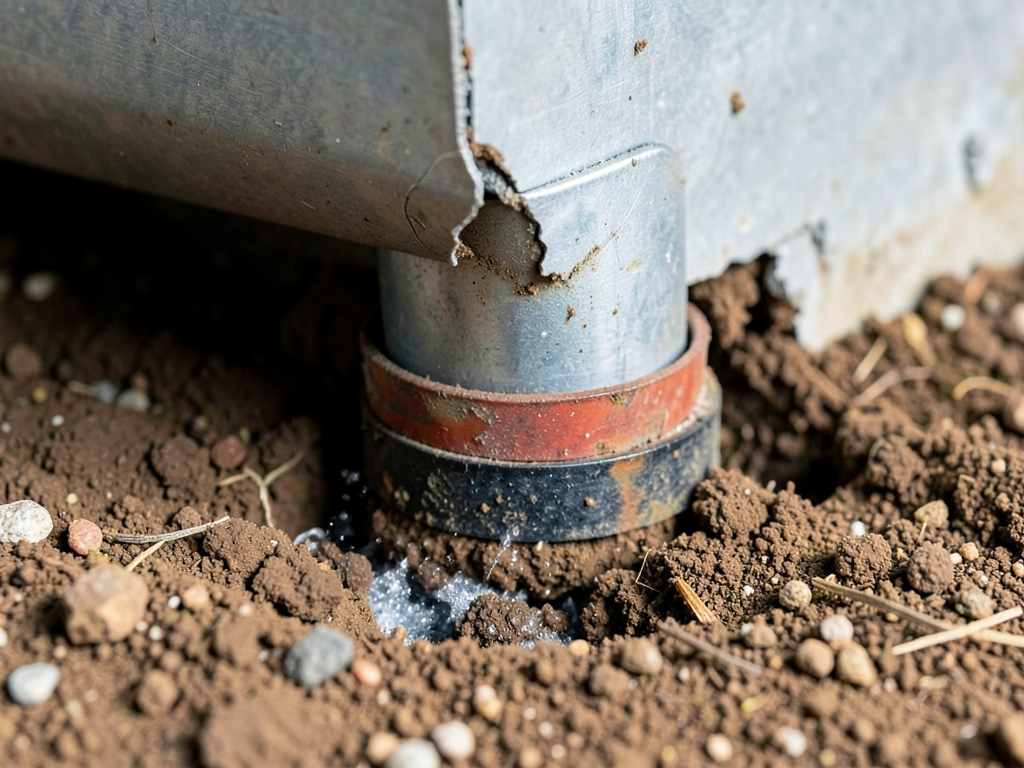
Foundation shifting in Pflugerville homes creates specific types of duct damage that require specialized repair techniques. Understanding these failure patterns helps technicians diagnose problems more accurately and recommend appropriate solutions. Modern HVAC Solutions for Historic Homes in Tarrytown and Old West Austin.
Sheared Plenums
The plenum is the main distribution box where air from your HVAC unit enters the duct system. When foundation movement occurs, the rigid metal plenum often shears away from the supply trunk lines, creating a complete break in airflow. This damage typically appears as a clean break or separation at the connection point, often accompanied by significant air loss.
Disconnected Flex Ducts
Flexible duct connections are particularly vulnerable to foundation movement because they rely on tight seals at both ends. As your slab shifts, these connections can pull apart completely, allowing conditioned air to escape into the crawlspace or beneath your home. The damage often looks like a completely disconnected duct section with visible gaps.
Crushed Return Lines
Return air ducts that run beneath your slab can become pinched or crushed when soil movement creates pressure points. This damage restricts airflow, forcing your HVAC system to work harder and potentially causing premature compressor failure. The affected ducts often show signs of compression or complete blockage.
Compromised Vapor Barriers
Many Pflugerville homes have vapor barriers installed beneath the slab to prevent moisture migration. Foundation movement can tear these barriers, allowing moisture to enter the duct system and creating ideal conditions for mold growth. This damage often manifests as condensation on ductwork or musty odors when the system runs.
The EPA recommends regular duct inspections for homes with foundation issues, as damaged ductwork can significantly impact indoor air quality and system efficiency.
The Hidden Dangers of Ignoring Foundation-Related Duct Leaks
Beyond the obvious energy waste, damaged ductwork caused by foundation shifting creates several serious problems that many Pflugerville homeowners overlook. These hidden dangers can affect your family’s health, your home’s structural integrity, and your HVAC system’s lifespan.
Indoor Air Quality Degradation
When duct connections separate, your HVAC system begins pulling air from places you don’t want it to come from. This can include crawlspace air, attic air, or even air from beneath your home’s slab. These air sources often contain higher levels of dust, allergens, mold spores, and other contaminants that get distributed throughout your living space.
Mold and Mildew Growth
Cracked or separated ducts in crawlspaces create perfect conditions for mold growth. The combination of moisture from the ground, organic dust particles, and the dark environment allows mold colonies to establish and spread rapidly. Once established, mold spores can travel through your duct system and affect your entire home.
System Strain and Premature Failure
Your HVAC system is designed to move a specific volume of air. When leaks reduce effective airflow, the system must work harder to maintain desired temperatures. This increased strain on the blower motor, compressor, and other components can reduce your system’s lifespan by 30-50% and lead to costly repairs. Local AC Repair and Cooling Experts in South Lamar and Barton Hills.
Foundation Damage Acceleration
Ironically, leaking ducts beneath your slab can actually worsen foundation problems. Moisture from leaking conditioned air can alter soil conditions around your foundation, potentially accelerating movement and creating a destructive cycle of damage.
According to ACCA Manual D, residential duct systems should maintain less than 5% leakage. Foundation-damaged systems often exceed 20-30% leakage, dramatically impacting both performance and energy costs.
Professional Diagnostic Process: Finding Hidden Duct Breaks
Locating foundation-damaged ductwork requires specialized diagnostic equipment and expertise that goes beyond standard duct inspection techniques. Our technicians use a comprehensive approach to identify and locate damage caused by structural movement.
Static Pressure Testing
We begin by measuring your system’s static pressure, which indicates how much resistance exists in your duct system. Foundation damage typically shows up as unusual pressure drops or imbalances between different zones of your home. This test helps us determine whether duct damage is likely and where to focus our investigation.
Thermal Imaging Scans
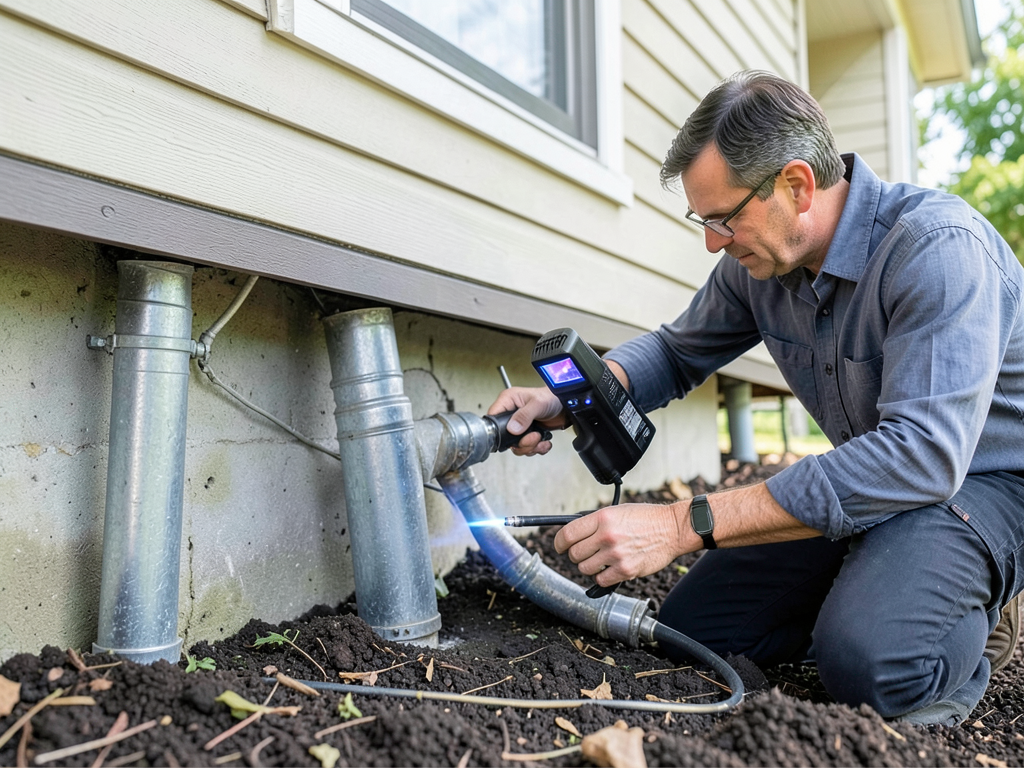
Using infrared cameras, we can detect temperature differences that indicate air leaks. In Pflugerville homes, foundation-damaged ducts often show up as cold spots in summer (where cool air is escaping) or warm spots in winter. This non-invasive technique helps us map the extent of damage without destructive testing.
Video Camera Inspections
For under-slab or tight-crawlspace ducts, we use specialized inspection cameras that can navigate through duct systems to visually identify damage. These cameras can show sheared connections, collapsed sections, and other damage patterns specific to foundation movement. The footage provides concrete evidence for homeowners and helps us plan repairs.
Smoke Testing
In some cases, we use non-toxic smoke to identify air leaks. When smoke escapes from unexpected locations, it reveals exactly where duct connections have separated. This method is particularly effective for finding small gaps that thermal imaging might miss.
Our diagnostic process typically takes 2-3 hours and includes a detailed report showing the location and severity of any foundation-related duct damage we discover.
Repair Solutions for Pflugerville Homeowners
Once we’ve identified foundation-damaged ductwork, we recommend repair solutions based on the extent of damage, your home’s construction, and your long-term plans for the property. Not all duct damage requires complete replacement, and we help you understand the most cost-effective approach.
Duct Sealing and Reconnection
For minor separations or small leaks, professional duct sealing can restore system efficiency. We use advanced techniques like Aeroseal technology, which can seal leaks from the inside of ducts without requiring access to damaged areas. This approach works well for homes with accessible crawlspaces or attics. Fast and Professional Furnace Repair in Georgetown During the Winter Chill.
Partial Duct Replacement
When damage is localized to specific sections of your duct system, we can replace only the affected portions. This targeted approach minimizes disruption and cost while addressing the most critical failures. We often recommend this strategy for homes where foundation movement has stabilized or is being addressed through other repairs.
Complete System Redesign
Homes with extensive foundation damage or ongoing soil movement may benefit from a complete duct system redesign. This approach allows us to use more flexible materials, improve insulation, and create a system better suited to handle future foundation movement. While more expensive initially, it often provides better long-term value.
Coordination with Foundation Repair
For homes undergoing active foundation repair, we coordinate our duct work to ensure repairs aren’t immediately compromised by ongoing structural work. This might mean temporary sealing, phased repairs, or waiting until foundation stabilization is complete before comprehensive duct work begins.
According to the Texas Department of Licensing and Regulation, HVAC contractors must coordinate with structural engineers when performing repairs on homes with known foundation issues to ensure compliance with all applicable codes and safety standards.
Post-Leveling HVAC Inspection Checklist
If you’ve recently had foundation repair work done on your Pflugerville home, this inspection checklist can help you identify potential HVAC problems before they become major issues. Many foundation repair companies don’t include comprehensive HVAC assessment in their services, leaving homeowners unaware of damage that occurred during the leveling process.
- Check for unusual temperature variations between rooms that didn’t exist before foundation work.
- Listen for new noises when your HVAC system starts up, particularly rattling or whistling sounds.
- Monitor your energy bills for unexpected increases in the months following foundation repair.
- Inspect visible duct connections for gaps or separations, especially near the HVAC unit.
- Check floor registers for proper airflow and look for dust accumulation patterns that seem unusual.
- Pay attention to indoor air quality changes, such as increased dust or musty odors.
- Monitor humidity levels, as compromised ducts can affect your home’s moisture balance.
If you notice any of these signs after foundation repair, it’s important to have your duct system professionally inspected. The stress of lifting or leveling a home can damage even well-maintained duct systems, and early detection can prevent more extensive repairs later.
Insurance and Warranty Considerations
Many Pflugerville homeowners don’t realize that foundation-related duct damage might be covered by their insurance or home warranty. Understanding your coverage options can significantly reduce repair costs and provide peace of mind.
Insurance Coverage
Standard homeowners insurance policies typically cover sudden, accidental damage to your HVAC system, including damage caused by foundation movement. However, coverage often excludes damage from gradual settling or normal wear and tear. If your foundation damage resulted from a specific event like a broken water line or soil erosion, you might have coverage for both foundation and HVAC repairs.
Home Warranty Coverage
Some home warranty plans include coverage for duct system failures, though coverage for foundation-related damage varies significantly between providers. If you have a home warranty, review your contract carefully or contact your provider to understand what HVAC repairs might be covered.
Foundation Repair Company Warranties
Many foundation repair companies offer warranties that include provisions for HVAC system damage that occurs during their work. These warranties might cover the cost of inspections, minor repairs, or even full system replacements if damage is directly related to their foundation repair activities.
Before proceeding with any repairs, we recommend documenting the condition of your duct system and discussing coverage options with both your insurance provider and foundation repair company if applicable.
Prevention Strategies for New Construction
For Pflugerville homeowners building new homes or planning major renovations, several strategies can minimize the risk of foundation-related duct damage in the future. These preventive measures are particularly important given our area’s soil conditions.
Flexible Duct Connections
Using flexible duct connections at key stress points can allow for minor foundation movement without causing damage. These connections act as shock absorbers, preventing the rigid transfer of movement from your foundation to your duct system.
Access Panels
Installing access panels at strategic locations makes future inspections and repairs much easier. When foundation damage occurs, being able to quickly access affected areas can reduce repair costs and minimize system downtime.
Proper Insulation
Using high-quality insulation on all duct runs helps maintain system efficiency even if minor leaks develop. It also helps prevent condensation issues that can arise when damaged ducts operate in our humid climate.
Soil Stabilization
Working with your builder to implement soil stabilization techniques around your foundation can reduce movement and protect both your foundation and your duct system. This might include proper grading, drainage improvements, or even chemical soil treatments in severe cases.
The National Association of Home Builders recommends these preventive measures for homes in expansive clay soil regions, noting that they can reduce foundation-related maintenance costs by up to 60% over the life of the home.
Choosing the Right HVAC Contractor for Foundation-Damaged Ducts
Not all HVAC contractors have experience diagnosing and repairing foundation-related duct damage. When selecting a contractor in Pflugerville, look for these specific qualifications and capabilities:
- Foundation Damage Experience – Ask about their experience with foundation-related HVAC repairs specifically, not just general duct work.
- Diagnostic Equipment – Ensure they have the specialized tools needed to locate under-slab damage, including thermal imaging and video inspection equipment.
- Coordination Capabilities – If you’re working with a foundation repair company, choose a contractor willing to coordinate their work with other professionals.
- Insurance Knowledge – Look for contractors familiar with insurance claim processes for foundation-related damage.
- Local Experience – Pflugerville’s specific soil conditions require knowledge of local building patterns and common failure modes.
Don’t hesitate to ask potential contractors about their experience with foundation-damaged duct systems and request references from similar projects in the Pflugerville area.
Frequently Asked Questions
How can I tell if my foundation is causing my HVAC problems?
Look for symptoms that appear after weather changes, particularly after heavy rain or extended dry periods. Foundation-related duct damage often causes sudden hot/cold spots, unexplained utility bill increases, and unusual noises when your system operates. A professional inspection using thermal imaging can confirm whether foundation movement has damaged your ducts.
Is duct damage from foundation shifting covered by insurance?
Coverage depends on your specific policy and the cause of foundation movement. Damage from sudden events like broken water lines is often covered, while gradual settling typically isn’t. Review your policy or contact your insurance provider to understand your coverage options for foundation-related HVAC damage.
How much does it cost to repair foundation-damaged ductwork?
Repair costs vary widely based on damage extent, from $500 for minor sealing to $5,000+ for complete system replacement. Under-slab repairs typically cost more due to the difficulty of access. We provide detailed estimates after our diagnostic inspection so you understand exactly what repairs are needed.
Should I repair my ducts before or after foundation repair?
If you’re undergoing active foundation repair, it’s often best to wait until stabilization is complete before comprehensive duct repairs. However, we can perform temporary sealing to maintain system operation during foundation work. We coordinate with foundation repair companies to ensure our work complements their efforts.
Can foundation-damaged ducts affect my indoor air quality?
Yes, significantly. Gaps in your duct system can pull air from crawlspaces, attics, or beneath your home, introducing dust, allergens, and other contaminants into your living space. This can worsen allergy symptoms, create musty odors, and increase dust accumulation throughout your home.
How long does it take to repair foundation-damaged ductwork?
Simple repairs might take 2-4 hours, while complex under-slab repairs could require 1-2 days. The timeline depends on damage extent, accessibility, and whether foundation movement is still occurring. We provide specific timelines after our initial diagnostic inspection.
If you’re experiencing any of the symptoms described in this article, don’t wait for the problem to worsen. Foundation-damaged ductwork wastes energy, compromises your indoor air quality, and can lead to more expensive repairs if left unaddressed. Call (737) 316-0777 today to schedule your professional inspection. Our experienced technicians understand Pflugerville’s unique soil challenges and can diagnose and repair foundation-related duct damage quickly and effectively. Don’t let shifting soil compromise your home’s comfort and efficiency any longer.
{
“@context”: “https://schema.org”,
“@type”: “BlogPosting”,
“headline”: “Why Foundation Shifting in Pflugerville Might Be Cracking Your Air Ducts”,
“description”: “Discover how Pflugerville’s expansive clay soil causes foundation movement that damages HVAC ductwork. Learn the warning signs and get expert solutions.”,
“wordCount”: 2747,
“datePublished”: “2026-05-24T13:44:00.000Z”,
“dateModified”: “2026-05-24T13:44:00.000Z”,
“inLanguage”: “en-US”,
“mainEntityOfPage”: {
“@type”: “WebPage”,
“@id”: “https://allprohvacaustin.com”
},
“publisher”: {
“@type”: “LocalBusiness”,
“name”: “All Pro HVAC Austin”,
“url”: “https://allprohvacaustin.com”
},
“author”: {
“@type”: “Organization”,
“name”: “All Pro HVAC Austin”,
“url”: “https://allprohvacaustin.com”
},
“image”: {
“@type”: “ImageObject”,
“url”: “https://allprohvacaustin.com/wp-content/uploads/2026/03/why-foundation-shifting-in-pflugerville-might-be-c-1.png”
}
}
{
“@context”: “https://schema.org”,
“@type”: “HVACBusiness”,
“name”: “All Pro HVAC Austin”,
“url”: “https://allprohvacaustin.com”,
“address”: {
“@type”: “PostalAddress”,
“addressLocality”: “Austin”
},
“areaServed”: {
“@type”: “City”,
“name”: “Austin”
}
}
{
“@context”: “https://schema.org”,
“@type”: “FAQPage”,
“mainEntity”: [
{
“@type”: “Question”,
“name”: “How can I tell if my foundation is causing my HVAC problems?”,
“acceptedAnswer”: {
“@type”: “Answer”,
“text”: “Look for symptoms that appear after weather changes, particularly after heavy rain or extended dry periods. Foundation-related duct damage often causes sudden hot/cold spots, unexplained utility bill increases, and unusual noises when your system operates. A professional inspection using thermal imaging can confirm whether foundation movement has damaged your ducts.”
}
},
{
“@type”: “Question”,
“name”: “Is duct damage from foundation shifting covered by insurance?”,
“acceptedAnswer”: {
“@type”: “Answer”,
“text”: “Coverage depends on your specific policy and the cause of foundation movement. Damage from sudden events like broken water lines is often covered, while gradual settling typically isn’t. Review your policy or contact your insurance provider to understand your coverage options for foundation-related HVAC damage.”
}
},
{
“@type”: “Question”,
“name”: “How much does it cost to repair foundation-damaged ductwork?”,
“acceptedAnswer”: {
“@type”: “Answer”,
“text”: “Repair costs vary widely based on damage extent, from $500 for minor sealing to $5,000+ for complete system replacement. Under-slab repairs typically cost more due to the difficulty of access. We provide detailed estimates after our diagnostic inspection so you understand exactly what repairs are needed.”
}
},
{
“@type”: “Question”,
“name”: “Should I repair my ducts before or after foundation repair?”,
“acceptedAnswer”: {
“@type”: “Answer”,
“text”: “If you’re undergoing active foundation repair, it’s often best to wait until stabilization is complete before comprehensive duct repairs. However, we can perform temporary sealing to maintain system operation during foundation work. We coordinate with foundation repair companies to ensure our work complements their efforts.”
}
},
{
“@type”: “Question”,
“name”: “Can foundation-damaged ducts affect my indoor air quality?”,
“acceptedAnswer”: {
“@type”: “Answer”,
“text”: “Yes, significantly. Gaps in your duct system can pull air from crawlspaces, attics, or beneath your home, introducing dust, allergens, and other contaminants into your living space. This can worsen allergy symptoms, create musty odors, and increase dust accumulation throughout your home.”
}
},
{
“@type”: “Question”,
“name”: “How long does it take to repair foundation-damaged ductwork?”,
“acceptedAnswer”: {
“@type”: “Answer”,
“text”: “Simple repairs might take 2-4 hours, while complex under-slab repairs could require 1-2 days. The timeline depends on damage extent, accessibility, and whether foundation movement is still occurring. We provide specific timelines after our initial diagnostic inspection.”
}
}
]
}
{
“@context”: “https://schema.org”,
“@type”: “BreadcrumbList”,
“itemListElement”: [
{
“@type”: “ListItem”,
“position”: 1,
“name”: “Home”,
“item”: “https://allprohvacaustin.com”
},
{
“@type”: “ListItem”,
“position”: 2,
“name”: “Blog”,
“item”: “https://allprohvacaustin.com/blog”
},
{
“@type”: “ListItem”,
“position”: 3,
“name”: “Why Foundation Shifting in Pflugerville Might Be Cracking Your Air Ducts”
}
]
}
{
“@context”: “https://schema.org”,
“@type”: “Service”,
“serviceType”: “HVAC”,
“provider”: {
“@type”: “LocalBusiness”,
“name”: “All Pro HVAC Austin”,
“url”: “https://allprohvacaustin.com”
},
“areaServed”: {
“@type”: “City”,
“name”: “Austin”
},
“description”: “Discover how Pflugerville’s expansive clay soil causes foundation movement that damages HVAC ductwork. Learn the warning signs and get expert solutions.”
}