
What to Do if Your Outdoor AC Unit Gets Flooded During a Flash Flood
Your outdoor AC unit sits on a concrete pad near the ground, making it vulnerable when Shoal Creek or Williamson Creek overflows during a Central Texas storm. When flash flooding hits Austin, electrical hazards and water damage create immediate risks that require specific emergency steps. Texas Department of Licensing and Regulation.
Turn off the circuit breaker to your AC unit immediately. Standing water around electrical components creates electrocution hazards and can cause short circuits in the compressor, contactor, and control board. Do not attempt to power the unit back on until a licensed HVAC technician inspects all electrical systems.
Document the flood level on your unit with photos showing water marks on the cabinet and any visible debris accumulation. This documentation helps with insurance claims through Texas Windstorm Insurance Association or your homeowner’s policy. Most Austin policies cover sudden water damage but exclude groundwater flooding without separate coverage. EPA Mold Prevention Guidelines.
Immediate Safety Steps for Flooded AC Units
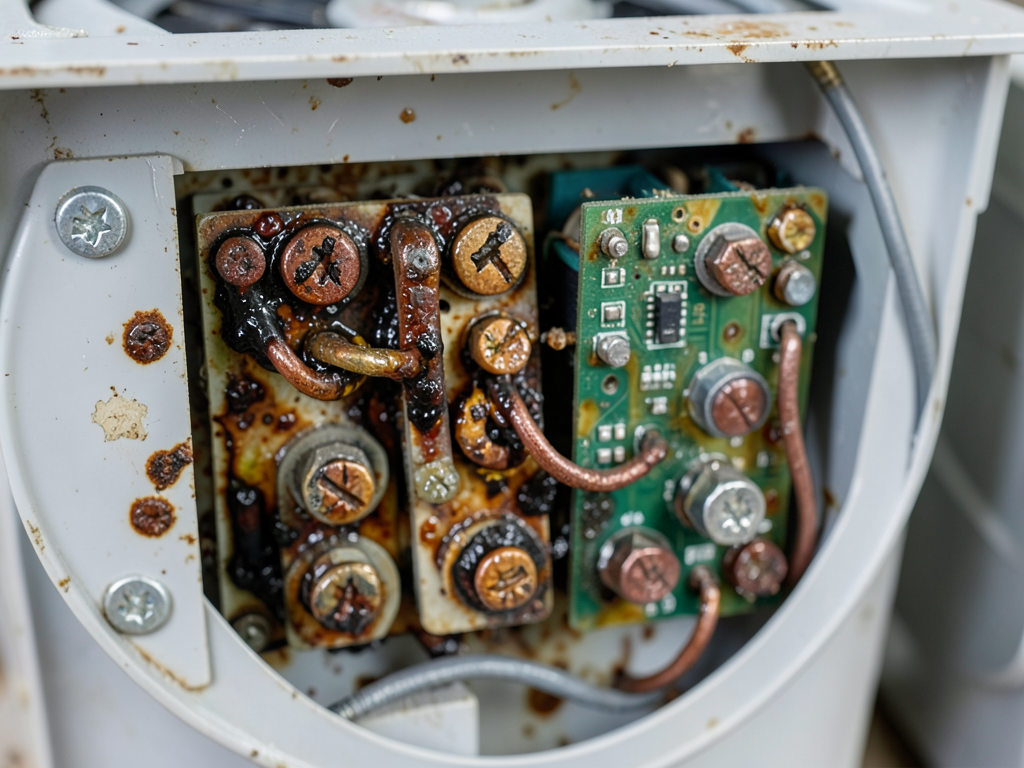
Flood water carries silt, mud, and contaminants that infiltrate the condenser coil fins and electrical compartments. Even if the unit appears to run after flooding, internal corrosion begins within 24-48 hours in Austin’s high humidity environment.
- Power Disconnection
Locate your main electrical panel and switch off the double-pole breaker labeled for the outdoor AC unit. If the breaker box is inaccessible due to flooding, use the main disconnect switch outside near the unit.
- Visual Assessment
Check if water reached above the base pan or entered the electrical compartment through unsealed openings. Look for floating debris caught in the fan blade or coil fins.
- Debris Removal
Once waters recede, carefully remove leaves, branches, and trash from the coil surface using a soft brush. Avoid using high-pressure washers which can bend aluminum fins.. Read more about Why You Should Never Use a Pressure Washer on Your Austin AC Unit.
- Moisture Barrier Protection
Place plastic sheeting over the unit if additional rain threatens before professional service arrives. Secure with bricks to prevent wind displacement. Fast and Professional Furnace Repair in Georgetown During the Winter Chill.
Professional Diagnostic Process for Flood Damage
Technicians follow specific diagnostic protocols after Austin flood events. The Texas Department of Licensing and Regulation requires licensed HVAC contractors to perform electrical safety checks before restoring power to any water-exposed equipment.
Electrical component testing starts with the contactor, capacitor, and control board. Flood water causes oxidation on copper contacts and can create short circuits in low-voltage circuits. A multimeter test reveals resistance changes indicating water damage.
Compressor health checks involve measuring amp draw and checking for unusual noises. Flood water can enter through the refrigerant lines and cause internal bearing damage. The compressor may lock up completely or run inefficiently with elevated current draw.
Refrigerant line contamination occurs when flood water enters through compromised seals. Technicians use electronic leak detectors to check for refrigerant loss and inspect line insulation for water absorption that leads to mold growth inside the lines.
Cleaning and sanitizing prevents mold and mildew in the ductwork. Austin’s humidity accelerates microbial growth in damp environments. EPA-registered antimicrobial treatments applied to coil surfaces prevent contamination spread to the indoor air handler. Emergency Ductwork Repair.
Repair vs Replace Decision Factors
Age of the unit versus repair cost determines whether restoration makes financial sense. Units older than 10 years typically warrant replacement due to declining efficiency and impending component failures. Emergency AC Repair Services for Homes in West Lake Hills.
SEER2 ratings in Texas affect long-term operating costs. Current minimum efficiency standards require 14 SEER2 for new installations. Replacing a 10 SEER unit with a 16 SEER2 model can reduce cooling costs by 30% annually in Austin’s climate.
Local Austin rebates through Austin Energy provide incentives for high-efficiency replacements. The Power Saver program offers up to $2,500 for qualifying heat pump installations with SEER2 ratings above 18. Local AC Repair and Cooling Experts in South Lamar and Barton Hills.
Corrosion prevention extends equipment life after flood events. Technicians apply protective coatings to aluminum fins and electrical terminals. Stainless steel hardware resists oxidation better than standard components in humid environments.
Insurance Documentation and Claims Process
Insurance companies require specific documentation for HVAC flood claims. Take clear photos showing water levels, visible damage, and model number plates before any cleanup begins. Keep all damaged components for adjuster inspection.
Common Texas insurance providers like State Farm, Allstate, and USAA process HVAC claims differently. Some require contractor estimates while others send their own adjusters. Understanding your policy’s specific requirements prevents claim delays.
FEMA assistance may apply for federally declared disasters affecting multiple properties. Document all communication with insurance companies and keep receipts for temporary cooling solutions like portable AC units or hotel stays. Modern HVAC Solutions for Historic Homes in Tarrytown and Old West Austin.
Building permit requirements in Austin may apply for unit replacements. The City of Austin requires permits for HVAC equipment changes affecting electrical service or refrigerant lines. Licensed contractors handle permit acquisition as part of the replacement process.
Prevention Strategies for Future Flood Events
Elevation modifications protect units in flood-prone areas. Raising the concrete pad by 6-8 inches above grade prevents minor flooding from reaching critical components. Proper grading directs water away from the equipment pad.
Protective barriers like landscaping walls or decorative screens can deflect debris while maintaining proper airflow. Materials must resist corrosion and allow adequate ventilation for heat rejection.
Emergency shutoff systems provide automatic power disconnection when water sensors detect flooding. These systems prevent electrical damage but require professional installation to meet National Electrical Code requirements.
Regular maintenance identifies vulnerabilities before flood events. Annual inspections check for loose electrical connections, corroded terminals, and compromised seals that allow water intrusion during storms.
Local Flood Zone Considerations
Areas near Shoal Creek, Waller Creek, and Williamson Creek experience frequent flash flooding. The 100-year floodplain maps show these corridors as highest risk for property damage during heavy rainfall events.
Soil composition in Austin affects drainage patterns. The clay-rich Blackland Prairie soil absorbs water slowly, creating surface runoff that accumulates in low areas around homes. Proper grading and drainage systems mitigate these effects.
Infrastructure improvements along Lady Bird Lake and Colorado River tributaries aim to reduce flood risks. However, sudden intense rainfall can overwhelm even modern drainage systems within minutes.
Emergency response times vary by neighborhood. Downtown Austin and areas near major thoroughfares typically receive faster service during widespread flood events due to contractor concentration and accessibility.
Call for Professional Assessment
Flood damage to AC units requires professional evaluation even if the system appears operational. Internal corrosion and electrical degradation worsen over time, leading to complete system failure weeks after the initial flooding event.
Call (737) 316-0777 today to schedule your inspection. Our technicians arrive within two hours for emergency flood damage assessments in Austin and surrounding areas. We provide detailed damage reports for insurance claims and honest recommendations about repair versus replacement options.
Don’t wait for your system to fail during the next heat wave. Early intervention prevents more expensive repairs and ensures safe operation. Our team understands Austin’s unique flood risks and provides solutions tailored to local conditions.
Frequently Asked Questions
Can I turn my AC back on if it got wet but still runs?
No. Even if the unit operates, internal components may have water damage that causes electrical shorts or compressor failure. Always have a licensed technician inspect flood-exposed equipment before restoring power.
How long does flood damage assessment take?
A complete diagnostic evaluation typically requires 1-2 hours depending on water exposure severity. Technicians test all electrical components, check refrigerant levels, and inspect for corrosion before providing recommendations.
Will my homeowner’s insurance cover AC flood damage?
Coverage depends on your specific policy. Standard policies cover sudden water damage from burst pipes but may exclude surface water flooding. Review your policy or contact your insurance provider for details about water damage coverage.
What’s the average cost to repair a flooded AC unit?
Repair costs range from $300 to $2,500 depending on damage extent. Minor electrical component replacement costs less than complete system replacement, which can exceed $5,000 for high-efficiency units.
How can I prevent future AC flood damage?
Elevate the unit pad, install proper drainage, and consider flood barriers or emergency shutoff systems. Regular maintenance identifies vulnerabilities before flooding occurs. Professional assessment helps determine the most effective prevention strategies for your specific property.

{
“@context”: “https://schema.org”,
“@type”: “BlogPosting”,
“headline”: “What to Do if Your Outdoor AC Unit Gets Flooded During a Flash Flood”,
“description”: “Austin flash floods can submerge your AC unit. Learn immediate safety steps, damage assessment, and repair options from local HVAC experts. Call (737) 316-0777 for emergency help.”,
“wordCount”: 1387,
“datePublished”: “2026-05-28T11:26:00.000Z”,
“dateModified”: “2026-05-28T11:26:00.000Z”,
“inLanguage”: “en-US”,
“mainEntityOfPage”: {
“@type”: “WebPage”,
“@id”: “https://allprohvacaustin.com”
},
“publisher”: {
“@type”: “LocalBusiness”,
“name”: “All Pro HVAC Austin”,
“url”: “https://allprohvacaustin.com”
},
“author”: {
“@type”: “Organization”,
“name”: “All Pro HVAC Austin”,
“url”: “https://allprohvacaustin.com”
},
“image”: {
“@type”: “ImageObject”,
“url”: “https://allprohvacaustin.com/wp-content/uploads/2026/03/what-to-do-if-your-outdoor-ac-unit-gets-flooded-du-1.png”
}
}
{
“@context”: “https://schema.org”,
“@type”: “HVACBusiness”,
“name”: “All Pro HVAC Austin”,
“url”: “https://allprohvacaustin.com”,
“address”: {
“@type”: “PostalAddress”,
“addressLocality”: “Austin”
},
“areaServed”: {
“@type”: “City”,
“name”: “Austin”
}
}
{
“@context”: “https://schema.org”,
“@type”: “FAQPage”,
“mainEntity”: [
{
“@type”: “Question”,
“name”: “Can I turn my AC back on if it got wet but still runs?”,
“acceptedAnswer”: {
“@type”: “Answer”,
“text”: “No. Even if the unit operates, internal components may have water damage that causes electrical shorts or compressor failure. Always have a licensed technician inspect flood-exposed equipment before restoring power.”
}
},
{
“@type”: “Question”,
“name”: “How long does flood damage assessment take?”,
“acceptedAnswer”: {
“@type”: “Answer”,
“text”: “A complete diagnostic evaluation typically requires 1-2 hours depending on water exposure severity. Technicians test all electrical components, check refrigerant levels, and inspect for corrosion before providing recommendations.”
}
},
{
“@type”: “Question”,
“name”: “Will my homeowner’s insurance cover AC flood damage?”,
“acceptedAnswer”: {
“@type”: “Answer”,
“text”: “Coverage depends on your specific policy. Standard policies cover sudden water damage from burst pipes but may exclude surface water flooding. Review your policy or contact your insurance provider for details about water damage coverage.”
}
},
{
“@type”: “Question”,
“name”: “What’s the average cost to repair a flooded AC unit?”,
“acceptedAnswer”: {
“@type”: “Answer”,
“text”: “Repair costs range from $300 to $2,500 depending on damage extent. Minor electrical component replacement costs less than complete system replacement, which can exceed $5,000 for high-efficiency units.”
}
},
{
“@type”: “Question”,
“name”: “How can I prevent future AC flood damage?”,
“acceptedAnswer”: {
“@type”: “Answer”,
“text”: “Elevate the unit pad, install proper drainage, and consider flood barriers or emergency shutoff systems. Regular maintenance identifies vulnerabilities before flooding occurs. Professional assessment helps determine the most effective prevention strategies for your specific property.”
}
}
]
}
{
“@context”: “https://schema.org”,
“@type”: “HowTo”,
“name”: “Emergency AC Flood Response”,
“step”: [
{
“@type”: “HowToStep”,
“position”: 1,
“name”: “Power Disconnection”,
“text”: “Locate your main electrical panel and switch off the double-pole breaker labeled for the outdoor AC unit. If the breaker box is inaccessible due to flooding, use the main disconnect switch outside near the unit.”
},
{
“@type”: “HowToStep”,
“position”: 2,
“name”: “Visual Assessment”,
“text”: “Check if water reached above the base pan or entered the electrical compartment through unsealed openings. Look for floating debris caught in the fan blade or coil fins.”
},
{
“@type”: “HowToStep”,
“position”: 3,
“name”: “Debris Removal”,
“text”: “Once waters recede, carefully remove leaves, branches, and trash from the coil surface using a soft brush. Avoid using high-pressure washers which can bend aluminum fins.”
},
{
“@type”: “HowToStep”,
“position”: 4,
“name”: “Moisture Barrier Protection”,
“text”: “Place plastic sheeting over the unit if additional rain threatens before professional service arrives. Secure with bricks to prevent wind displacement. Fast and Professional Furnace Repair in Georgetown During the Winter Chill.”
}
],
“image”: “https://allprohvacaustin.com/wp-content/uploads/2026/03/what-to-do-if-your-outdoor-ac-unit-gets-flooded-du-1.png”
}
{
“@context”: “https://schema.org”,
“@type”: “BreadcrumbList”,
“itemListElement”: [
{
“@type”: “ListItem”,
“position”: 1,
“name”: “Home”,
“item”: “https://allprohvacaustin.com”
},
{
“@type”: “ListItem”,
“position”: 2,
“name”: “Blog”,
“item”: “https://allprohvacaustin.com/blog”
},
{
“@type”: “ListItem”,
“position”: 3,
“name”: “What to Do if Your Outdoor AC Unit Gets Flooded During a Flash Flood”
}
]
}
{
“@context”: “https://schema.org”,
“@type”: “Service”,
“serviceType”: “HVAC”,
“provider”: {
“@type”: “LocalBusiness”,
“name”: “All Pro HVAC Austin”,
“url”: “https://allprohvacaustin.com”
},
“areaServed”: {
“@type”: “City”,
“name”: “Austin”
},
“description”: “Austin flash floods can submerge your AC unit. Learn immediate safety steps, damage assessment, and repair options from local HVAC experts. Call (737) 316-0777 for emergency help.”
}