
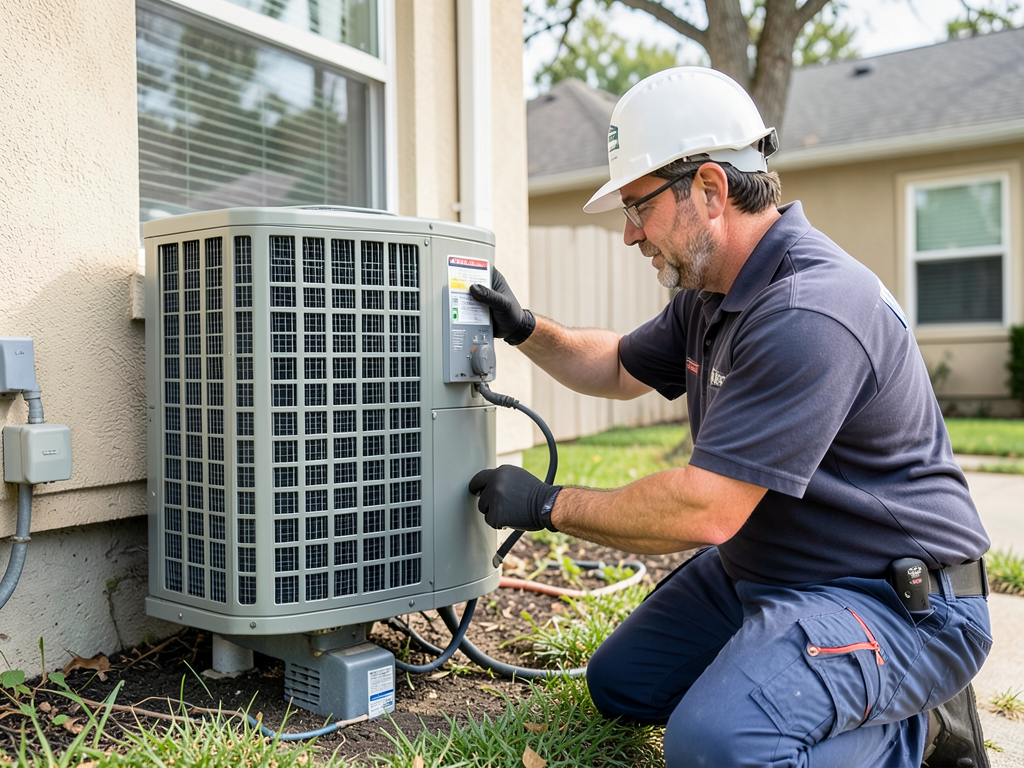
What You Should Expect to Pay for a New AC Installation in Austin
Most Austin homeowners pay between $6,200 and $14,500 for a complete central air conditioning installation in 2026. The final price depends on your home’s size, the efficiency rating you choose, and whether your ductwork needs work. A 2-ton system for a 1,000-square-foot home costs less than a 5-ton system for a 3,500-square-foot house. Understanding these factors helps you budget accurately and avoid surprises when getting quotes. Austin Energy rebates.
Average Cost Breakdown by Unit Size
| Unit Size (Tons) | Typical Home Size | Price Range (2026) |
|---|---|---|
| 1.5 Ton | 500-1,000 sq ft | $5,800 – $9,200 |
| 2.0 Ton | 1,000-1,500 sq ft | $6,500 – $10,800 |
| 3.0 Ton | 1,500-2,000 sq ft | $7,800 – $13,200 |
| 4.0 Ton | 2,000-3,000 sq ft | $9,200 – $15,800 |
| 5.0 Ton | 3,000+ sq ft | $10,800 – $18,500 |
Square footage matters because larger homes need more cooling capacity. But bigger isn’t always better. An oversized unit cycles on and off too frequently, wasting energy and reducing comfort. A Manual J load calculation determines the exact tonnage your home needs based on insulation, windows, and local climate factors. ENERGY STAR certified equipment.
Factors That Influence Your Installation Price
SEER2 Efficiency Ratings
The Seasonal Energy Efficiency Ratio 2 (SEER2) measures cooling efficiency. Higher SEER2 ratings cost more upfront but save money on utility bills. In Austin’s hot climate, the minimum allowed SEER2 rating is 14.3 for split systems. Most homeowners choose 16-18 SEER2 units for the best balance of cost and efficiency.. Read more about Upgrading Your HVAC System in Dripping Springs (What You Need to Know).
A 16 SEER2 unit might cost $800-1,200 more than a 14 SEER2 unit but could save $200-300 annually on electricity. Over 10 years, the higher efficiency unit pays for itself. The math changes if you plan to move soon, so consider your timeline.
Brand and Quality Differences
Major brands like Trane, Carrier, Lennox, and Rheem offer similar performance but different warranty terms and feature sets. A basic Rheem system might cost $1,000 less than a premium Trane with the same efficiency rating. The premium brands often include better compressors, corrosion-resistant coils, and longer warranties.
Budget brands work fine for most homes but may need more repairs over time. Premium brands cost more upfront but provide better reliability in Austin’s harsh climate. The choice depends on whether you prioritize initial cost or long-term peace of mind.. Read more about Commercial HVAC Maintenance and Repair for Austin Small Businesses.
Labor and Installation Complexity
Installation costs vary based on your home’s layout and existing infrastructure. A straightforward replacement in a single-story home takes 6-8 hours. Complex installations in multi-story homes or those requiring electrical upgrades take 12-16 hours.. Read more about Reliable HVAC Replacement and Cooling Services in Buda and Kyle.
Factors that increase labor costs include:
- Difficult attic access requiring special equipment
- Outdated electrical panels needing upgrades
- Damaged or undersized ductwork requiring replacement
- Permits and inspections in certain Austin neighborhoods
Local Austin Rebates and Incentives
Austin Energy offers rebates up to $2,500 for high-efficiency AC installations. The program requires a minimum 16 SEER2 rating and proper installation by a certified contractor. You must apply within 90 days of installation and provide proof of purchase and efficiency ratings.
The federal government provides tax credits for qualifying high-efficiency systems through the Inflation Reduction Act. You can claim 30% of the cost up to $1,200 for central AC units meeting specific efficiency standards. Keep all receipts and the manufacturer’s certification statement for your tax return.
Local utility companies like Pedernales Electric and Bluebonnet Electric also offer rebates ranging from $200-500 for energy-efficient upgrades. These programs change annually, so check current offers before scheduling your installation.
Cost of Ductwork Replacement vs. Unit Only
Replacing just the outdoor condenser and indoor coil costs less than a complete system installation. But if your ductwork is old or damaged, you’ll pay more in the long run for inefficiency and repairs.. Read more about How to Choose the Best AC Repair Company in Austin Right Now.
Common ductwork issues in Austin homes include:
- Leaky connections wasting 20-30% of cooled air
- Insufficient insulation causing condensation
- Poor design creating hot and cold spots
- Deteriorated flex ducts collapsing under pressure
Repairing ductwork adds $1,500-4,000 to your project. Complete replacement costs $3,000-8,000 depending on home size and accessibility. The investment pays off through lower utility bills and better comfort.
Financing Options for Austin Homeowners
Many Austin HVAC companies offer financing through third-party lenders. Typical terms include 0% APR for 12-24 months or fixed rates from 6.99% for longer terms. Some manufacturers provide promotional financing when you buy specific models.
Home equity loans or lines of credit often provide the lowest interest rates for large projects. Current rates range from 5-8% depending on your credit score and home equity. These loans offer tax-deductible interest and longer repayment terms than HVAC financing.
Payment plans spread costs over time but usually include interest charges. Compare the total cost including interest before choosing financing. Sometimes waiting and saving for the full amount saves money compared to financing fees.
Best Time of Year for AC Installation in Austin
Spring and fall offer the best combination of mild weather and contractor availability. During these seasons, you’ll find:
- Shorter wait times for installation appointments
- Potential seasonal discounts from manufacturers
- More flexible scheduling options
- Better attention to detail without heat emergencies
Summer installations cost more due to high demand. Contractors work overtime and charge premium rates. Wait times extend to weeks instead of days. Winter installations are possible but some contractors reduce staff during slower months.
How Long Installation Takes
A standard replacement takes 1-2 days. The process includes:
- Removal of old equipment (2-4 hours)
- Installation of new indoor and outdoor units (4-6 hours)
- Electrical connections and testing (2-3 hours)
- Final inspection and cleanup (1-2 hours)
Complex installations requiring ductwork modifications or electrical upgrades take 3-5 days. Weather delays, permit issues, or unexpected problems can extend timelines. Always ask for a realistic completion estimate before starting work.
What Questions to Ask Your Contractor
Before signing a contract, ask these questions:
- Is the quote all-inclusive or are there potential additional fees?
- What permits are required and who obtains them?
- What warranties cover parts and labor?
- Will you handle the Austin Energy rebate paperwork?
- What happens if the installation runs into problems?
A reputable contractor provides written answers and explains technical details clearly. Avoid companies that pressure you to decide immediately or refuse to put terms in writing.
Energy Savings and ROI
Upgrading from an old 10 SEER unit to a new 16 SEER2 system can reduce cooling costs by 30-40%. In Austin, where air conditioning runs 6-8 months per year, these savings add up quickly.. Read more about Solving Uneven Cooling in Your Multi-Story Circle C Ranch Home.
Annual savings typically range from $200-600 depending on your home size and usage patterns. The payback period for a high-efficiency upgrade is usually 5-8 years. After that, you’re saving pure money each month.
Smart thermostats and zoning systems add $500-2,000 to your project but can increase savings by another 10-15%. These features pay back faster in larger homes with varying cooling needs.
Common Installation Mistakes to Avoid
Watch for these red flags when getting quotes:
- Quotes significantly lower than others (often means cutting corners)
- Contractors who don’t measure your home or check existing ductwork
- Companies that pressure you to buy immediately
- Quotes that seem too good to be true
- Contractors who can’t explain their recommendations clearly
The cheapest option often costs more long-term through higher utility bills and more repairs. Focus on value rather than just the bottom line.
Call (737) 316-0777 for Your Free AC Installation Quote
Don’t wait until your old system fails during a 100-degree heatwave. Call (737) 316-0777 today to schedule your free evaluation. Our experienced technicians will:
- Perform a complete load calculation for your home
- Inspect your existing ductwork and electrical system
- Explain all your options with clear pricing
- Help you qualify for available rebates and incentives
- Provide a detailed written estimate with no hidden fees
Pick up the phone and call (737) 316-0777 before the next storm hits. We offer same-day service in most Austin neighborhoods and emergency appointments when you need cooling fast.
Frequently Asked Questions
How much should I budget for a new AC installation in Austin?
Budget $6,200 to $14,500 for most homes in 2026. The exact cost depends on your home’s size, the efficiency rating you choose, and whether you need ductwork work. A proper load calculation determines your exact needs.
Is it worth paying more for a higher SEER2 rating?
Yes, if you plan to stay in your home more than 5 years. Higher SEER2 units cost more upfront but save $200-400 annually on utility bills in Austin’s climate. The savings typically offset the higher cost within 5-7 years.
How long does a new AC installation take?
Standard replacements take 1-2 days. Complex installations requiring ductwork or electrical work take 3-5 days. Most contractors can complete a straightforward replacement in a single day if they start early.
You may also find this helpful. Expert Air Quality and Scrubber Installation for Mueller District Residents.
{
“@context”: “https://schema.org”,
“@type”: “BlogPosting”,
“headline”: “What You Should Expect to Pay for a New AC Installation in Austin”,
“description”: “Get real AC installation cost ranges in Austin for 2026. Learn what drives pricing from SEER2 ratings to ductwork needs. Call (737) 316-0777 for your free quote.”,
“wordCount”: 1441,
“datePublished”: “2026-02-13T13:21:00.000Z”,
“dateModified”: “2026-02-13T13:21:00.000Z”,
“inLanguage”: “en-US”,
“mainEntityOfPage”: {
“@type”: “WebPage”,
“@id”: “https://allprohvacaustin.com”
},
“publisher”: {
“@type”: “LocalBusiness”,
“name”: “All Pro HVAC Austin”,
“url”: “https://allprohvacaustin.com”
},
“author”: {
“@type”: “Organization”,
“name”: “All Pro HVAC Austin”,
“url”: “https://allprohvacaustin.com”
},
“image”: {
“@type”: “ImageObject”,
“url”: “https://allprohvacaustin.com/wp-content/uploads/2026/03/what-you-should-expect-to-pay-for-a-new-ac-install-1.png”
}
}
{
“@context”: “https://schema.org”,
“@type”: “HVACBusiness”,
“name”: “All Pro HVAC Austin”,
“url”: “https://allprohvacaustin.com”,
“address”: {
“@type”: “PostalAddress”,
“addressLocality”: “Austin”
},
“areaServed”: {
“@type”: “City”,
“name”: “Austin”
}
}
{
“@context”: “https://schema.org”,
“@type”: “FAQPage”,
“mainEntity”: [
{
“@type”: “Question”,
“name”: “How much should I budget for a new AC installation in Austin?”,
“acceptedAnswer”: {
“@type”: “Answer”,
“text”: “Budget $6,200 to $14,500 for most homes in 2026. The exact cost depends on your home’s size, the efficiency rating you choose, and whether you need ductwork work. A proper load calculation determines your exact needs.”
}
},
{
“@type”: “Question”,
“name”: “Is it worth paying more for a higher SEER2 rating?”,
“acceptedAnswer”: {
“@type”: “Answer”,
“text”: “Yes, if you plan to stay in your home more than 5 years. Higher SEER2 units cost more upfront but save $200-400 annually on utility bills in Austin’s climate. The savings typically offset the higher cost within 5-7 years.”
}
},
{
“@type”: “Question”,
“name”: “How long does a new AC installation take?”,
“acceptedAnswer”: {
“@type”: “Answer”,
“text”: “Standard replacements take 1-2 days. Complex installations requiring ductwork or electrical work take 3-5 days. Most contractors can complete a straightforward replacement in a single day if they start early.”
}
}
]
}
{
“@context”: “https://schema.org”,
“@type”: “BreadcrumbList”,
“itemListElement”: [
{
“@type”: “ListItem”,
“position”: 1,
“name”: “Home”,
“item”: “https://allprohvacaustin.com”
},
{
“@type”: “ListItem”,
“position”: 2,
“name”: “Blog”,
“item”: “https://allprohvacaustin.com/blog”
},
{
“@type”: “ListItem”,
“position”: 3,
“name”: “What You Should Expect to Pay for a New AC Installation in Austin”
}
]
}
{
“@context”: “https://schema.org”,
“@type”: “Service”,
“serviceType”: “HVAC”,
“provider”: {
“@type”: “LocalBusiness”,
“name”: “All Pro HVAC Austin”,
“url”: “https://allprohvacaustin.com”
},
“areaServed”: {
“@type”: “City”,
“name”: “Austin”
},
“description”: “Get real AC installation cost ranges in Austin for 2026. Learn what drives pricing from SEER2 ratings to ductwork needs. Call (737) 316-0777 for your free quote.”
}