
Is a Ductless Mini Split Better than Central Air for Older Brentwood Bungalows
Older Brentwood bungalows built in the 1940s and 1950s often lack the space for traditional ductwork. That makes cooling decisions tricky during Austin’s brutal summers. A ductless mini split offers targeted comfort without tearing into walls. Central air delivers whole-home cooling but requires significant retrofitting. This guide breaks down which system works best for your bungalow’s layout, budget, and energy goals. Austin Energy rebates.
How Each System Works in a Brentwood Home
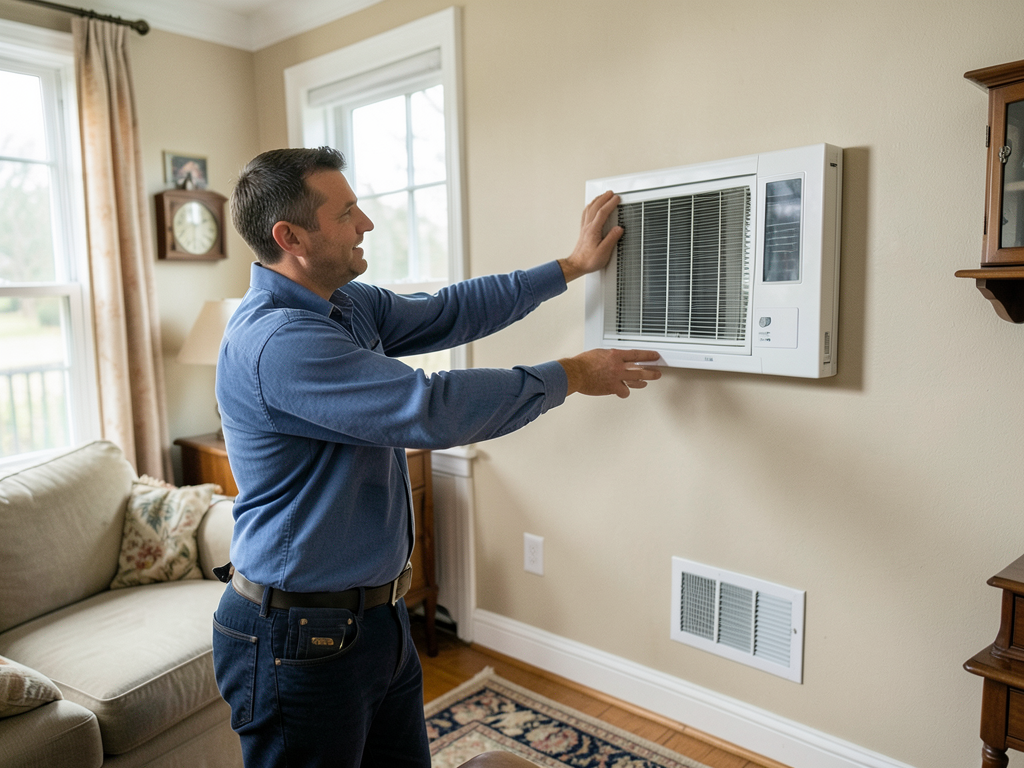
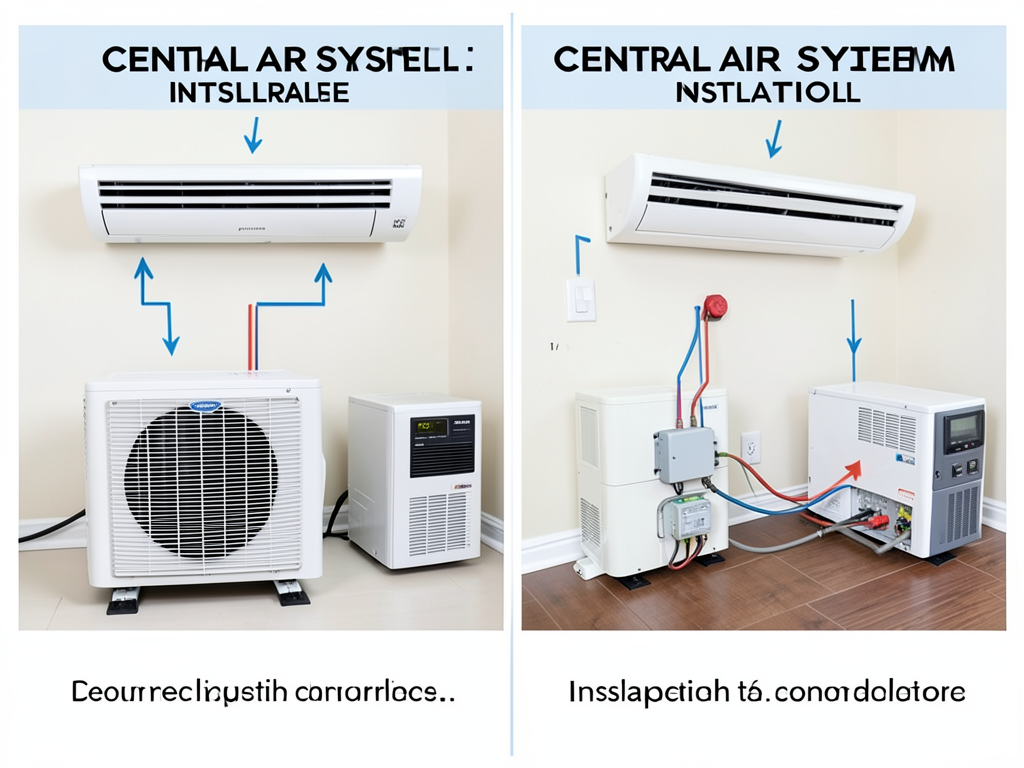
A ductless mini split uses an outdoor compressor connected to one or more indoor air handlers mounted on walls or ceilings. Refrigerant lines run through a small three-inch hole in the exterior wall. No ducts mean no lost space in closets or attics. Each zone operates independently so you can cool only occupied rooms.
Central air relies on a single outdoor condenser and an indoor air handler connected by a network of ducts. Cool air travels through the ducts to vents in every room. The system conditions the entire house at once which can waste energy if some rooms stay empty.
Key Differences That Matter for Brentwood Bungalows
Brentwood’s post-war bungalows often have shallow crawl spaces or slab foundations. Running ducts through these tight cavities increases installation time and cost. A mini split avoids this by keeping all mechanicals outside or on walls. Noise is another factor. Modern mini splits operate at 19-30 decibels in quiet mode while central systems can reach 50-60 decibels when the blower kicks on. Modern HVAC Solutions for Historic Homes in Tarrytown and Old West Austin.
Installation time varies widely. A single-zone mini split can be operational in one day. Retrofitting central air into a bungalow without existing ducts may take a week or more and require cutting into walls or ceilings to run supply and return lines.
Cost Comparison for Brentwood Homes
Installation costs depend on home size and existing infrastructure. A single-zone mini split for a bedroom or living area runs $3,500 to $5,500. Multi-zone systems covering three to five rooms range from $8,000 to $14,000. Central air for a 1,500-square-foot bungalow with no existing ducts costs $12,000 to $18,000 including equipment and labor.
Energy use in Austin’s climate shows a clear pattern. Mini splits with inverter technology adjust compressor speed to match demand. This can reduce cooling costs by 20 to 30 percent compared to a standard central system running at full capacity. Over ten years, those savings can offset the higher per-room equipment cost.
Energy Efficiency and Austin’s Climate
Austin summers push temperatures above 100 degrees for weeks. Both systems must handle extreme heat but they do it differently. Mini splits use variable-speed compressors that ramp up gradually. Central systems often cycle on and off which can cause temperature swings and higher humidity.
Humidity control matters in Brentwood’s older wood-framed homes. Excess moisture can lead to mold in wall cavities or under flooring. Mini splits remove humidity continuously while running. Central systems remove moisture only when the compressor is active which can leave rooms feeling clammy on mild days.
Austin Energy offers rebates for high-efficiency heat pumps including certain mini split models. The current rebate is $300 per ton for units with a SEER2 rating of 16 or higher. Central systems must meet the same efficiency threshold to qualify. These rebates can reduce upfront costs by $600 to $1,200 depending on system size.
Maintenance Requirements in Central Texas
Central Texas dust and pollen mean both systems need regular filter changes. Mini split filters are washable and should be cleaned every month during peak season. Central system filters require replacement every one to three months. Outdoor coils on both systems collect debris and should be cleaned annually. Texas Department of Licensing and Regulation.
Ductwork in central systems develops leaks over time. The Department of Energy estimates that the average home loses 20 to 30 percent of conditioned air through duct leaks. Mini splits avoid this loss entirely since refrigerant moves directly from the outdoor unit to the indoor head. Emergency Ductwork Repair.
Refrigerant line inspections are critical for mini splits. A small leak can reduce cooling capacity and increase energy use. Technicians use electronic leak detectors and pressure tests to find problems early. Central systems require similar checks but also need duct inspection for tears or disconnections.
Noise Levels and Indoor Comfort
Older bungalows often have thin walls and wood floors that transmit sound. Mini split indoor units produce a gentle airflow sound at 19-30 decibels. Outdoor units are typically mounted on the side or back of the house to minimize noise near living areas. Central air handlers are usually in attics or closets but the blower can still be heard through vents.
Zoned cooling in mini splits allows different temperatures in different rooms. This is useful for Brentwood homes where some areas get more sun than others. Central systems treat the entire house as one zone which can lead to hot spots near windows or cold spots in interior rooms.
Best Scenarios for Each System
Mini splits excel in these Brentwood situations:
- Adding cooling to a room without existing ductwork
- Historic preservation where wall modifications are limited
- Garage or sunroom conversions
- Energy-conscious homeowners who want room-by-room control
Central air makes sense when:
- The home already has ductwork in good condition
- You want one thermostat to control the entire house
- Whole-home air filtration is a priority
- You plan to stay in the home long-term and want maximum resale value
Indoor Air Quality Considerations
Older Brentwood homes often have less insulation and more air infiltration. Both systems can improve indoor air quality with the right accessories. Mini splits can be paired with high-efficiency particulate air (HEPA) filters that capture pollen, dust, and pet dander. Central systems can use whole-house HEPA filters and UV lights to kill bacteria and mold spores.
Ventilation is another factor. Mini splits do not bring in fresh air by default. If your bungalow feels stuffy, you may need a separate ventilation system. Central air can include a fresh air intake that dilutes indoor pollutants.
Long-Term Reliability in Austin’s Climate
Austin’s heat and humidity stress cooling equipment. Mini splits with inverter compressors often last 15 to 20 years with proper maintenance. Central systems typically last 12 to 15 years. The lack of ducts in mini split systems eliminates a common failure point.
Freeze protection matters during rare cold snaps. Many mini splits offer heat pump mode for winter heating. Central heat pumps also provide heating but may struggle when temperatures drop below freezing. Brentwood bungalows with gas furnaces have a backup heat source that mini splits lack. Fast and Professional Furnace Repair in Georgetown During the Winter Chill.
Resale Value and Buyer Perception
Some buyers view central air as the standard and may prefer it for whole-home comfort. Others see mini splits as a modern, efficient upgrade. In Brentwood’s competitive market, either system can add value if installed professionally and sized correctly. Energy efficiency ratings and noise levels often matter more than the type of system.
Installation Process and Permitting
Austin requires permits for both mini split and central air installations. The process includes submitting equipment specs and ensuring compliance with the City of Austin Energy Code. Mini splits often have simpler permitting since they do not alter existing structure. Central air retrofits may require additional inspections for duct integrity and refrigerant line routing.
Contractors must be licensed by the Texas Department of Licensing and Regulation. Ask for proof of insurance and check reviews for experience with older homes. A poor installation can lead to refrigerant leaks, water damage, or electrical issues.
Frequently Asked Questions
Which system costs less to operate in Austin?
Mini splits typically use 20 to 30 percent less electricity than central air in Austin’s climate due to inverter technology and no duct losses.
Can I install a mini split myself?
DIY installation is not recommended. Refrigerant handling requires EPA certification and improper installation can void warranties or cause safety hazards.
Do mini splits work during Austin’s hottest days?
Yes. High-SEER2 mini splits are designed for extreme heat and can maintain indoor temperatures even when it is over 105 degrees outside.
How long does installation take?
A single-zone mini split can be installed in one day. Central air retrofits without existing ducts may take a week or more.
Will a mini split increase my home’s value?
Professional installation of an efficient mini split can increase value, especially if it solves a cooling problem without major remodeling.
Call (737) 316-0777 for a Free Brentwood Home Comfort Assessment
Choosing between a mini split and central air depends on your home’s layout, your budget, and your comfort priorities. A quick on-site assessment can identify the best solution for your Brentwood bungalow. Call (737) 316-0777 today to schedule your free assessment and get a same-day estimate. Do not wait until the next heat wave leaves you sweating through the night.
Pick up the phone and call (737) 316-0777 before the next storm hits.
You may also find this helpful. Keeping Your Garage Workshop Cool Without Breaking the Bank in Cedar Park.
You may also find this helpful. Why your Travis Heights renovation needs a high velocity HVAC system.
{
“@context”: “https://schema.org”,
“@type”: “BlogPosting”,
“headline”: “Is a Ductless Mini Split Better than Central Air for Older Brentwood Bungalows”,
“description”: “Comparing ductless mini splits vs central air for Brentwood bungalows. Learn which system saves space, cuts energy bills, and handles Austin’s heat better. Call (737) 316-0777.”,
“wordCount”: 1502,
“datePublished”: “2026-05-02T11:47:00.000Z”,
“dateModified”: “2026-05-02T11:47:00.000Z”,
“inLanguage”: “en-US”,
“mainEntityOfPage”: {
“@type”: “WebPage”,
“@id”: “https://allprohvacaustin.com”
},
“publisher”: {
“@type”: “LocalBusiness”,
“name”: “All Pro HVAC Austin”,
“url”: “https://allprohvacaustin.com”
},
“author”: {
“@type”: “Organization”,
“name”: “All Pro HVAC Austin”,
“url”: “https://allprohvacaustin.com”
},
“image”: {
“@type”: “ImageObject”,
“url”: “https://allprohvacaustin.com/wp-content/uploads/2026/03/is-a-ductless-mini-split-better-than-central-air-f-1.png”
}
}
{
“@context”: “https://schema.org”,
“@type”: “HVACBusiness”,
“name”: “All Pro HVAC Austin”,
“url”: “https://allprohvacaustin.com”,
“address”: {
“@type”: “PostalAddress”,
“addressLocality”: “Austin”
},
“areaServed”: {
“@type”: “City”,
“name”: “Austin”
}
}
{
“@context”: “https://schema.org”,
“@type”: “FAQPage”,
“mainEntity”: [
{
“@type”: “Question”,
“name”: “Which system costs less to operate in Austin?”,
“acceptedAnswer”: {
“@type”: “Answer”,
“text”: “Mini splits typically use 20 to 30 percent less electricity than central air in Austin’s climate due to inverter technology and no duct losses.”
}
},
{
“@type”: “Question”,
“name”: “Can I install a mini split myself?”,
“acceptedAnswer”: {
“@type”: “Answer”,
“text”: “DIY installation is not recommended. Refrigerant handling requires EPA certification and improper installation can void warranties or cause safety hazards.”
}
},
{
“@type”: “Question”,
“name”: “Do mini splits work during Austin’s hottest days?”,
“acceptedAnswer”: {
“@type”: “Answer”,
“text”: “Yes. High-SEER2 mini splits are designed for extreme heat and can maintain indoor temperatures even when it is over 105 degrees outside.”
}
},
{
“@type”: “Question”,
“name”: “How long does installation take?”,
“acceptedAnswer”: {
“@type”: “Answer”,
“text”: “A single-zone mini split can be installed in one day. Central air retrofits without existing ducts may take a week or more.”
}
},
{
“@type”: “Question”,
“name”: “Will a mini split increase my home’s value?”,
“acceptedAnswer”: {
“@type”: “Answer”,
“text”: “Professional installation of an efficient mini split can increase value, especially if it solves a cooling problem without major remodeling.”
}
}
]
}
{
“@context”: “https://schema.org”,
“@type”: “BreadcrumbList”,
“itemListElement”: [
{
“@type”: “ListItem”,
“position”: 1,
“name”: “Home”,
“item”: “https://allprohvacaustin.com”
},
{
“@type”: “ListItem”,
“position”: 2,
“name”: “Blog”,
“item”: “https://allprohvacaustin.com/blog”
},
{
“@type”: “ListItem”,
“position”: 3,
“name”: “Is a Ductless Mini Split Better than Central Air for Older Brentwood Bungalows”
}
]
}
{
“@context”: “https://schema.org”,
“@type”: “Service”,
“serviceType”: “HVAC”,
“provider”: {
“@type”: “LocalBusiness”,
“name”: “All Pro HVAC Austin”,
“url”: “https://allprohvacaustin.com”
},
“areaServed”: {
“@type”: “City”,
“name”: “Austin”
},
“description”: “Comparing ductless mini splits vs central air for Brentwood bungalows. Learn which system saves space, cuts energy bills, and handles Austin’s heat better. Call (737) 316-0777.”
}