
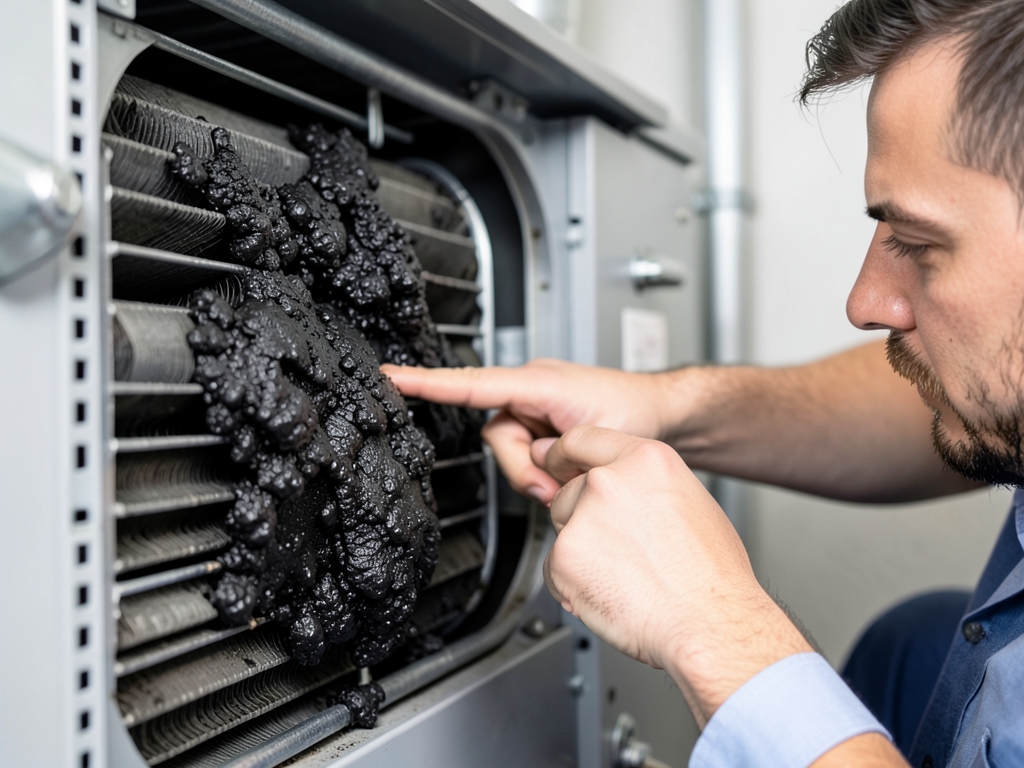
How to spot hidden mold in your AC system after a humid Del Valle summer
The humid summers in Del Valle create perfect conditions for mold growth inside your AC system. After weeks of high moisture levels, mold can develop in places you cannot see but will definitely notice through musty odors, health symptoms, and reduced cooling efficiency. This guide walks you through exactly what to look for and when to call a professional before the problem spreads through your home. Fast and Professional Furnace Repair in Georgetown During the Winter Chill.
Top health symptoms of HVAC mold exposure
Mold spores circulating through your air vents cause specific health reactions that worsen when your AC runs. Watch for these warning signs:
- Persistent coughing that improves when you leave the house
- Sneezing fits and watery eyes that seem worse indoors
- Throat irritation or hoarseness without other illness symptoms
- Headaches that intensify when the AC kicks on
- Unexplained fatigue or difficulty breathing
Children, elderly family members, and those with asthma or allergies often experience these symptoms first. The reactions occur because mold releases mycotoxins that irritate respiratory passages and trigger immune responses.
Physical signs your Austin AC system has mold
Beyond health symptoms, your AC system gives off clear warning signs of mold contamination. The most obvious is the infamous “dirty sock” smell when the unit starts running. This odor comes from microbial growth on evaporator coils and in condensate drain pans.
Look for these physical indicators around your vents and air handler:
- Black or green spotting on supply vents
- Condensation buildup around the air handler
- Visible moisture on ductwork insulation
- Excessive water in the secondary drain pan
If you see fuzzy or slimy growth near any AC components, that is active mold requiring immediate professional attention. Do not attempt to clean it yourself as disturbing mold releases spores throughout your home.
The Austin context why humidity leads to HVAC mold
Del Valle sits in the Blackland Prairie region where clay soil and humid air create unique challenges for AC systems. During summer months, Austin routinely experiences relative humidity above 70 percent, especially in low-lying areas near the Colorado River.
When warm humid air contacts the cold evaporator coils inside your air handler, condensation forms. This moisture collects in the drain pan and on coil surfaces. If the condensate drain line clogs with algae or debris, water backs up and creates standing moisture where mold thrives.
According to EPA guidelines, indoor humidity should stay between 30 and 50 percent to prevent mold growth. Many Del Valle homes struggle to maintain these levels during peak summer when outdoor humidity remains high for weeks. EPA mold guidelines.
Common locations for mold growth
Mold does not just grow on visible surfaces. It colonizes specific AC components where moisture and darkness create ideal conditions. Here are the most common hiding spots:
- Evaporator coils
Moisture constantly condenses on these cold metal surfaces. Mold grows in the tiny gaps between coil fins where cleaning solutions cannot reach. Modern HVAC Solutions for Historic Homes in Tarrytown and Old West Austin.
- Primary and secondary drain pans
Standing water in clogged drain pans creates perfect breeding grounds. The secondary pan often stays wet for weeks before anyone notices.
- Ductwork insulation
Fiberglass insulation absorbs moisture and provides organic material for mold to feed on. Look for discolored or sagging insulation near vents.
- Blower fan housing
The dark enclosed space collects dust and moisture. Mold grows on the fan blades and housing interior.
Professional HVAC technicians use moisture meters and borescopes to inspect these hidden areas. They can detect mold growth before it becomes visible or causes health problems.
Professional inspection vs DIY testing
Home mold test kits often give false positives or miss hidden growth entirely. Professional inspection provides accurate diagnosis using specialized equipment.
During a professional inspection, technicians measure:
- Static pressure to detect airflow restrictions from mold buildup
- Moisture levels in ductwork and insulation
- Temperature differentials across evaporator coils
- Condensate drain line flow rates
Professional testing costs more upfront but prevents unnecessary remediation work. If tests confirm mold, the technician can determine whether HVAC cleaning or full remediation is needed.
Solutions and prevention
Once mold establishes in your AC system, simple cleaning rarely solves the problem. Effective solutions address both the mold and the moisture conditions that allowed it to grow.
UV germicidal lights installed near evaporator coils kill mold spores before they can reproduce. These lights run continuously and cost about $300 to $600 installed. They reduce mold recurrence by 99 percent according to manufacturer testing.
Improving condensate drainage prevents future mold growth. This includes:
- Cleaning the drain line with algaecide tablets
- Installing a secondary drain pan with overflow switch
- Adding a condensate pump if gravity drainage is inadequate
Regular professional maintenance catches problems early. During tune-ups, technicians clean coils, check drain lines, and measure humidity levels. This prevents the moisture buildup that leads to mold. Affordable AC Tune-Ups and Maintenance for Pflugerville Homeowners.
When to call for emergency service
Some mold situations require immediate professional attention to protect your family’s health. Call for emergency service if you notice: Emergency AC Repair Services for Homes in West Lake Hills.
- Strong musty odors throughout your home
- Visible mold growth spreading from vents
- Sudden increase in allergy or asthma symptoms
- Water leaking from the air handler
Emergency service technicians arrive with specialized equipment to contain mold spread and begin remediation immediately. They wear protective gear and use HEPA filtration to prevent cross-contamination. Emergency Ductwork Repair.
Protecting your Del Valle home long term
Preventing mold requires controlling both moisture and organic material in your AC system. Start with these steps:
- Change air filters monthly during summer months
- Keep indoor humidity between 30 and 50 percent
- Schedule professional maintenance twice yearly
- Install UV lights if you have had mold problems before
- Address any water leaks or condensation issues immediately
Consider a whole-house dehumidifier if your home struggles with high humidity. These systems work with your AC to maintain optimal moisture levels year round.
Del Valle’s humid climate makes mold prevention an ongoing challenge. Professional HVAC maintenance combined with moisture control creates the best defense against hidden mold growth.
If you suspect mold in your AC system, do not wait for health symptoms to worsen. Call (737) 316-0777 today to schedule your inspection before the next humid spell hits Del Valle.
Frequently Asked Questions
How can I tell if the smell is mold or just a dirty filter?
Mold produces a distinct musty or earthy odor that persists even after changing filters. A dirty filter typically causes reduced airflow and a dusty smell. If the odor worsens when AC runs and causes health symptoms, it is likely mold.
Can I clean mold from my AC coils myself?
No. DIY cleaning often spreads mold spores throughout your home and rarely removes growth from inside coil fins. Professional cleaning uses specialized equipment and antimicrobial treatments that kill mold at the source.
How long does professional mold remediation take?
Most residential HVAC mold remediation takes 4 to 8 hours depending on system size and contamination level. Severe cases may require system shutdown for 24 to 48 hours while antimicrobial treatments cure. For more information, visit CDC mold information.
{
“@context”: “https://schema.org”,
“@type”: “BlogPosting”,
“headline”: “How to spot hidden mold in your AC system after a humid Del Valle summer”,
“description”: “Learn to identify mold in your Del Valle AC system with this expert guide. Discover health symptoms, physical signs, and prevention tips for Austin’s humid climate.”,
“wordCount”: 1207,
“datePublished”: “2026-03-14T13:32:00.000Z”,
“dateModified”: “2026-03-14T13:32:00.000Z”,
“inLanguage”: “en-US”,
“mainEntityOfPage”: {
“@type”: “WebPage”,
“@id”: “https://allprohvacaustin.com”
},
“publisher”: {
“@type”: “LocalBusiness”,
“name”: “All Pro HVAC Austin”,
“url”: “https://allprohvacaustin.com”
},
“author”: {
“@type”: “Organization”,
“name”: “All Pro HVAC Austin”,
“url”: “https://allprohvacaustin.com”
},
“image”: {
“@type”: “ImageObject”,
“url”: “https://allprohvacaustin.com/wp-content/uploads/2026/03/how-to-spot-hidden-mold-in-your-ac-system-after-a-1.png”
}
}
{
“@context”: “https://schema.org”,
“@type”: “HVACBusiness”,
“name”: “All Pro HVAC Austin”,
“url”: “https://allprohvacaustin.com”,
“address”: {
“@type”: “PostalAddress”,
“addressLocality”: “Austin”
},
“areaServed”: {
“@type”: “City”,
“name”: “Austin”
}
}
{
“@context”: “https://schema.org”,
“@type”: “FAQPage”,
“mainEntity”: [
{
“@type”: “Question”,
“name”: “How can I tell if the smell is mold or just a dirty filter?”,
“acceptedAnswer”: {
“@type”: “Answer”,
“text”: “Mold produces a distinct musty or earthy odor that persists even after changing filters. A dirty filter typically causes reduced airflow and a dusty smell. If the odor worsens when AC runs and causes health symptoms, it is likely mold.”
}
},
{
“@type”: “Question”,
“name”: “Can I clean mold from my AC coils myself?”,
“acceptedAnswer”: {
“@type”: “Answer”,
“text”: “No. DIY cleaning often spreads mold spores throughout your home and rarely removes growth from inside coil fins. Professional cleaning uses specialized equipment and antimicrobial treatments that kill mold at the source.”
}
},
{
“@type”: “Question”,
“name”: “How long does professional mold remediation take?”,
“acceptedAnswer”: {
“@type”: “Answer”,
“text”: “Most residential HVAC mold remediation takes 4 to 8 hours depending on system size and contamination level. Severe cases may require system shutdown for 24 to 48 hours while antimicrobial treatments cure. For more information, visit CDC mold information.”
}
}
]
}
{
“@context”: “https://schema.org”,
“@type”: “HowTo”,
“name”: “Common Mold Locations”,
“step”: [
{
“@type”: “HowToStep”,
“position”: 1,
“name”: “Evaporator coils”,
“text”: “Moisture constantly condenses on these cold metal surfaces. Mold grows in the tiny gaps between coil fins where cleaning solutions cannot reach. Modern HVAC Solutions for Historic Homes in Tarrytown and Old West Austin.”
},
{
“@type”: “HowToStep”,
“position”: 2,
“name”: “Primary and secondary drain pans”,
“text”: “Standing water in clogged drain pans creates perfect breeding grounds. The secondary pan often stays wet for weeks before anyone notices.”
},
{
“@type”: “HowToStep”,
“position”: 3,
“name”: “Ductwork insulation”,
“text”: “Fiberglass insulation absorbs moisture and provides organic material for mold to feed on. Look for discolored or sagging insulation near vents.”
},
{
“@type”: “HowToStep”,
“position”: 4,
“name”: “Blower fan housing”,
“text”: “The dark enclosed space collects dust and moisture. Mold grows on the fan blades and housing interior.”
}
],
“image”: “https://allprohvacaustin.com/wp-content/uploads/2026/03/how-to-spot-hidden-mold-in-your-ac-system-after-a-1.png”
}
{
“@context”: “https://schema.org”,
“@type”: “BreadcrumbList”,
“itemListElement”: [
{
“@type”: “ListItem”,
“position”: 1,
“name”: “Home”,
“item”: “https://allprohvacaustin.com”
},
{
“@type”: “ListItem”,
“position”: 2,
“name”: “Blog”,
“item”: “https://allprohvacaustin.com/blog”
},
{
“@type”: “ListItem”,
“position”: 3,
“name”: “How to spot hidden mold in your AC system after a humid Del Valle summer”
}
]
}
{
“@context”: “https://schema.org”,
“@type”: “Service”,
“serviceType”: “HVAC”,
“provider”: {
“@type”: “LocalBusiness”,
“name”: “All Pro HVAC Austin”,
“url”: “https://allprohvacaustin.com”
},
“areaServed”: {
“@type”: “City”,
“name”: “Austin”
},
“description”: “Learn to identify mold in your Del Valle AC system with this expert guide. Discover health symptoms, physical signs, and prevention tips for Austin’s humid climate.”
}