
How modern cold-climate heat pumps handle those rare but freezing Austin nights
Modern cold-climate heat pumps have transformed how Austin homeowners stay comfortable during those rare freezing nights. While Austin’s winters are typically mild recent deep freeze events like Winter Storm Uri in 2021 showed that standard heat pumps struggle when temperatures drop below 25°F. Cold-climate models use variable-speed inverter compressors that maintain heating capacity down to 5°F providing reliable warmth without relying heavily on expensive backup heat strips. Austin Energy rebates.
These advanced systems deliver both summer cooling efficiency and winter heating performance making them ideal for Austin’s climate where cooling dominates but occasional freezes still occur. With Austin Energy rebates and federal tax credits available many homeowners find the investment worthwhile for peace of mind during extreme weather. federal Inflation Reduction Act.
What makes cold-climate heat pumps different from standard models
Standard heat pumps lose efficiency rapidly as outdoor temperatures fall below 35°F. Their single-speed compressors work harder but deliver less heat forcing electric resistance heat strips to activate. This backup heating can cost three times more per BTU than heat pump operation. Geothermal Heating & Cooling.
Cold-climate heat pumps use inverter-driven variable-speed compressors that continuously adjust their output. Instead of cycling on and off they modulate between 20% and 100% capacity. This technology maintains heating output even when it’s 20°F outside with some models delivering 80% of their rated capacity at 0°F.
The key components include enhanced coil designs with larger surface areas improved defrost cycles that minimize energy waste and sophisticated controls that optimize performance in low temperatures. These features allow cold-climate models to achieve HSPF2 ratings above 10.0 compared to standard models that typically rate between 7.0 and 8.5.
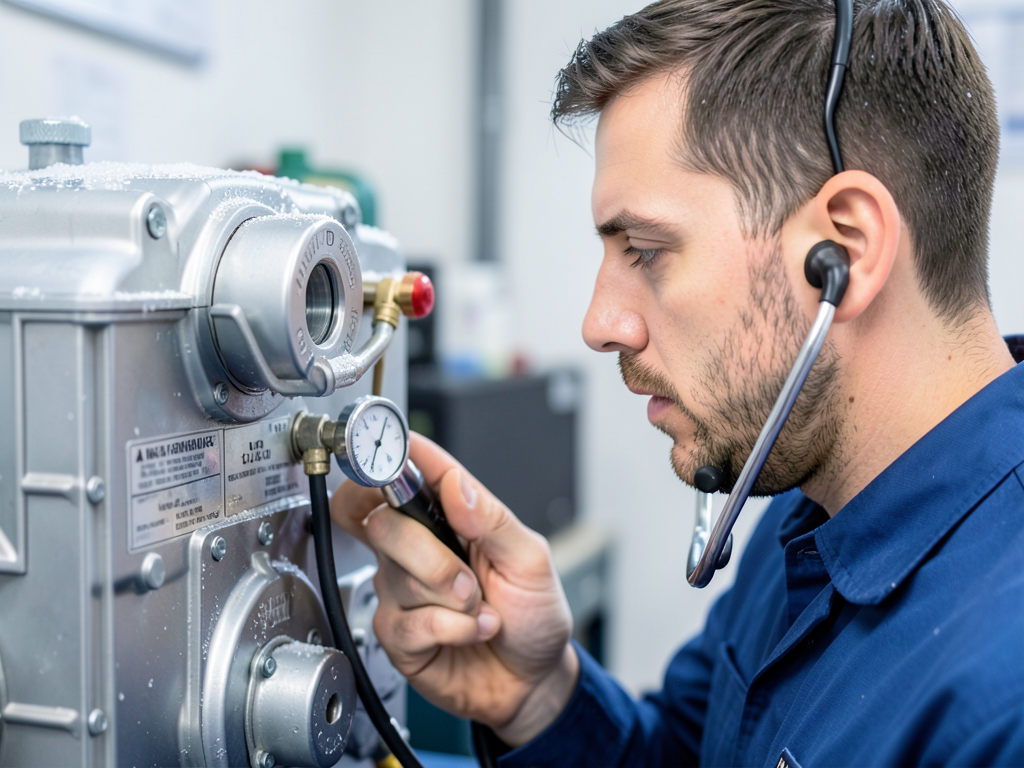
Technician listening for abnormal compressor sounds during a cold startup test
Austin’s freeze history and why it matters for your heat pump choice
Austin’s climate data shows average winter lows around 40°F but the 2021 winter storm proved that extreme events happen. During Winter Storm Uri temperatures stayed below freezing for nearly 144 consecutive hours with wind chills reaching -10°F in some areas. Many standard heat pumps failed or switched entirely to expensive backup heat.
The 2023 freeze event reinforced this pattern. While less severe than 2021 it still brought multiple nights below 25°F. Homes with cold-climate heat pumps maintained comfortable temperatures without excessive energy costs while those with standard models saw electric bills spike dramatically.
Austin Energy’s service territory includes areas like Georgetown and Pflugerville where soil composition affects equipment installation. The Blackland Prairie’s expansive clay can cause foundation movement that impacts outdoor unit stability. Cold-climate heat pumps often include enhanced vibration isolation to prevent damage from minor shifting.
Local building codes require specific clearance distances from property lines and proper drainage around outdoor units. The City of Austin Energy Code mandates minimum efficiency standards that cold-climate models exceed by 30-40% helping homeowners qualify for expedited permitting. Local AC Repair and Cooling Experts in South Lamar and Barton Hills.
Performance comparison: Cold-climate vs. standard heat pumps in Austin
| Temperature | Standard Heat Pump | Cold-Climate Heat Pump | Backup Heat Needed |
|---|---|---|---|
| 35°F | 100% capacity | 100% capacity | No |
| 25°F | 60% capacity | 85% capacity | Sometimes |
| 15°F | 20% capacity | 70% capacity | Yes |
| 5°F | 0% capacity | 50% capacity | Yes |
| 0°F | 0% capacity | 35% capacity | Yes |
The performance gap widens significantly during extended freeze events. A standard 3-ton heat pump might deliver only 6000 BTU at 15°F while a cold-climate model maintains around 25000 BTU. This difference means the cold-climate unit can keep a typical Austin home warm without expensive auxiliary heating.
Available rebates and incentives for Austin homeowners
Austin Energy offers rebates up to $2500 for qualifying cold-climate heat pump installations. The program requires minimum HSPF2 ratings of 8.5 and SEER2 ratings of 15.0. Homes must be within Austin Energy’s service territory and meet specific energy efficiency criteria.
The federal Inflation Reduction Act provides a 30% tax credit up to $2000 for qualifying heat pump installations. This credit applies to both equipment and installation costs with no upper limit on total project cost. The credit is available through 2032 and can be claimed on federal income tax returns.
Several manufacturers offer additional rebates during seasonal promotions. Mitsubishi Electric Daikin and Carrier frequently provide $300-$500 rebates on cold-climate models. These promotions often stack with utility and federal incentives potentially reducing installation costs by $3000-$5000. Mitsubishi Electric’s Hyper-Heat series.
Local HVAC contractors can help navigate the rebate process. They verify equipment eligibility complete necessary paperwork and ensure installations meet all program requirements. Some companies offer free energy assessments to determine which incentives apply to specific homes.
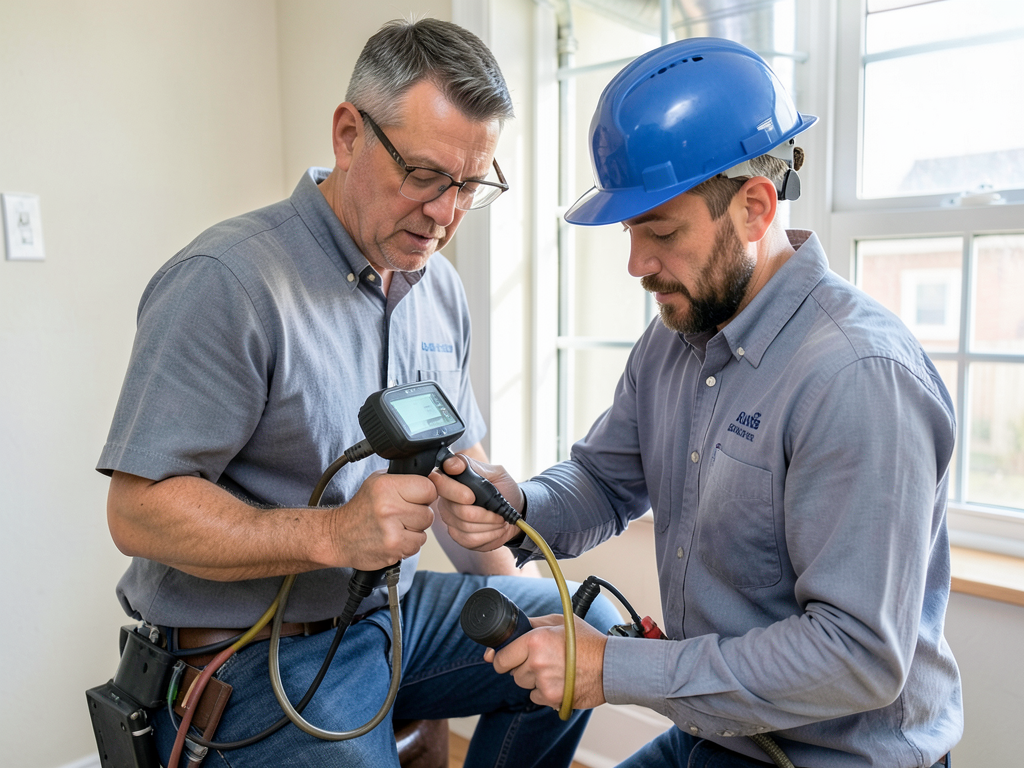
Technician performing a Manual J load calculation for proper heat pump sizing
Installation considerations for Austin homes
Proper sizing is critical for cold-climate heat pump performance. A Manual J load calculation determines the exact heating and cooling requirements based on home size insulation levels window orientation and local climate data. Oversized units short-cycle and waste energy while undersized units struggle during extreme temperatures.
Older Austin homes often have ductwork issues that reduce heat pump efficiency. Leaky ducts can lose 20-30% of conditioned air. Before installation contractors should test duct leakage and seal any problems. Some homes benefit from duct replacement or the addition of ductless mini-split heads in problem areas.
Electrical requirements vary by model. Most cold-climate heat pumps need 240-volt circuits with 15-30 amp capacity. Homes built before 2000 may require electrical panel upgrades. The installation includes proper refrigerant line insulation condensate drainage and outdoor unit mounting that accounts for Austin’s expansive clay soil.
Thermostat compatibility affects system performance. Basic thermostats work but programmable or smart models optimize efficiency. Many cold-climate units include communicating capabilities that allow the system to self-adjust based on outdoor conditions and indoor comfort needs.
Top cold-climate heat pump brands for Austin
Mitsubishi Electric’s Hyper-Heat series leads in cold-climate performance. These units maintain heating capacity down to -13°F and include enhanced defrost cycles that minimize energy waste. The FH series offers HSPF2 ratings up to 12.5 and includes Wi-Fi connectivity for remote monitoring.
Daikin’s Fit series provides excellent value with reliable cold-climate performance. Their inverter compressors maintain efficiency down to 5°F and the units include advanced filtration that helps with Austin’s seasonal allergens. The Fit series typically costs 10-15% less than premium brands while maintaining similar performance.
Carrier’s Greenspeed Intelligence series offers premium features including variable-speed blowers that adjust in 1% increments. These units achieve HSPF2 ratings above 13.0 and include humidity control that’s valuable during Austin’s muggy spring seasons. The Greenspeed series integrates seamlessly with Carrier’s smart home platforms.
When selecting a brand consider local dealer support and parts availability. Austin’s HVAC contractors report that Mitsubishi and Daikin have the strongest local networks with most technicians trained on these brands. This support matters when service is needed during extreme weather events.
Maintenance requirements for optimal performance
Cold-climate heat pumps need specific maintenance to handle Austin’s climate challenges. The high humidity during spring and fall creates condensation that can freeze on coils during winter operation. Regular coil cleaning prevents ice buildup that reduces efficiency.
Filter changes are critical for these systems. The variable-speed operation means filters collect more particles over time. Replace filters every 60-90 days or more frequently if you have pets or live near construction areas. Clean filters maintain the 15-20% efficiency advantage these units offer over standard models.
Outdoor unit clearance affects performance. Keep vegetation at least 24 inches from the unit to ensure proper airflow. Austin’s rapid vegetation growth during spring can quickly encroach on units. Check clearance monthly during growing season.
Annual professional maintenance includes checking refrigerant levels testing electrical connections and verifying defrost cycle operation. The technician should also inspect the reversing valve that switches between heating and cooling modes. This valve can stick in Austin’s variable temperatures causing system malfunctions. Fast and Professional Furnace Repair in Georgetown During the Winter Chill.
Cost considerations and return on investment
Cold-climate heat pumps cost 15-25% more than standard models with typical installations ranging from $8000 to $15000. The higher upfront cost reflects advanced compressor technology enhanced coil designs and sophisticated controls. However the efficiency gains provide long-term savings.
Energy savings vary by usage patterns. Homes that run heat frequently during winter see the greatest benefits. A typical Austin home might save $200-$400 annually compared to a standard heat pump with higher savings during extreme weather events when backup heating costs spike.
The payback period depends on several factors: local electricity rates home insulation quality and the frequency of cold weather. Most Austin homeowners recoup the additional cost within 5-7 years through energy savings and available rebates. Homes with higher cooling loads see faster payback due to the systems’ excellent summer efficiency.
Beyond direct energy savings these systems provide value through reliability during extreme weather. The peace of mind during freeze events has intangible value that many homeowners consider when making their decision.
Frequently Asked Questions
Do cold-climate heat pumps work during Austin’s hottest summer days?
Yes. These units provide excellent cooling with SEER2 ratings typically above 18.0. Their inverter technology actually improves summer efficiency by adjusting capacity to match cooling demand rather than cycling on and off.
How long do cold-climate heat pumps last in Austin’s climate?
With proper maintenance expect 15-20 years of service. The variable-speed operation reduces wear compared to standard units that constantly cycle. Austin’s humidity and allergens make regular filter changes especially important for longevity.
Can I keep my existing furnace as backup heat?
Many homeowners dual-fuel systems that use the heat pump for most heating and the furnace only when temperatures drop extremely low. This approach provides maximum efficiency while ensuring comfort during the coldest Austin nights.
Are cold-climate heat pumps noisy?
Modern units operate at 50-60 decibels similar to a refrigerator. The variable-speed compressors actually reduce noise by avoiding the loud startup sounds of single-speed units. Proper installation includes vibration isolation to minimize any operational noise. Modern HVAC Solutions for Historic Homes in Tarrytown and Old West Austin.
What size heat pump do I need for my Austin home?
Size depends on your home’s specific characteristics. A 2000-square-foot home typically needs a 3-ton unit but factors like insulation window quality and local climate affect the calculation. Professional Manual J calculations ensure proper sizing.
Installation crew setting up a cold-climate heat pump with proper drainage and clearance
Making the right choice for your Austin home
The decision between standard and cold-climate heat pumps depends on your priorities. If you experienced problems during past freeze events or want maximum efficiency year-round the additional investment often makes sense. The combination of utility rebates tax credits and energy savings can make these premium systems surprisingly affordable. Affordable AC Tune-Ups and Maintenance for Pflugerville Homeowners.
Consider your home’s characteristics. Older Austin homes with poor insulation benefit more from efficient heating systems. Homes in areas prone to power outages might need generator compatibility which some cold-climate models offer.
Talk with local HVAC professionals who understand Austin’s specific climate challenges. They can assess your home’s needs explain available incentives and recommend the best solution for your situation. The right system provides comfort efficiency and reliability for years to come.
Call (737) 316-0777 today to schedule your heat pump assessment and learn which rebates you qualify for. Don’t wait until the next freeze to discover your current system can’t handle Austin’s extreme weather.
Pick up the phone and call (737) 316-0777 before the next storm hits. Our experts will evaluate your home’s needs and show you exactly how much you can save with a modern cold-climate heat pump.
{
“@context”: “https://schema.org”,
“@type”: “BlogPosting”,
“headline”: “How modern cold-climate heat pumps handle those rare but freezing Austin nights”,
“description”: “Learn how cold-climate heat pumps keep Austin homes warm during freezing nights with advanced technology and available rebates.”,
“wordCount”: 1925,
“datePublished”: “2026-04-20T11:12:00.000Z”,
“dateModified”: “2026-04-20T11:12:00.000Z”,
“inLanguage”: “en-US”,
“mainEntityOfPage”: {
“@type”: “WebPage”,
“@id”: “https://allprohvacaustin.com”
},
“publisher”: {
“@type”: “LocalBusiness”,
“name”: “All Pro HVAC Austin”,
“url”: “https://allprohvacaustin.com”
},
“author”: {
“@type”: “Organization”,
“name”: “All Pro HVAC Austin”,
“url”: “https://allprohvacaustin.com”
},
“image”: {
“@type”: “ImageObject”,
“url”: “https://allprohvacaustin.com/wp-content/uploads/2026/03/how-modern-cold-climate-heat-pumps-handle-those-ra-1.png”
}
}
{
“@context”: “https://schema.org”,
“@type”: “HVACBusiness”,
“name”: “All Pro HVAC Austin”,
“url”: “https://allprohvacaustin.com”,
“address”: {
“@type”: “PostalAddress”,
“addressLocality”: “Austin”
},
“areaServed”: {
“@type”: “City”,
“name”: “Austin”
}
}
{
“@context”: “https://schema.org”,
“@type”: “FAQPage”,
“mainEntity”: [
{
“@type”: “Question”,
“name”: “Do cold-climate heat pumps work during Austin’s hottest summer days?”,
“acceptedAnswer”: {
“@type”: “Answer”,
“text”: “Yes. These units provide excellent cooling with SEER2 ratings typically above 18.0. Their inverter technology actually improves summer efficiency by adjusting capacity to match cooling demand rather than cycling on and off.”
}
},
{
“@type”: “Question”,
“name”: “How long do cold-climate heat pumps last in Austin’s climate?”,
“acceptedAnswer”: {
“@type”: “Answer”,
“text”: “With proper maintenance expect 15-20 years of service. The variable-speed operation reduces wear compared to standard units that constantly cycle. Austin’s humidity and allergens make regular filter changes especially important for longevity.”
}
},
{
“@type”: “Question”,
“name”: “Can I keep my existing furnace as backup heat?”,
“acceptedAnswer”: {
“@type”: “Answer”,
“text”: “Many homeowners dual-fuel systems that use the heat pump for most heating and the furnace only when temperatures drop extremely low. This approach provides maximum efficiency while ensuring comfort during the coldest Austin nights.”
}
},
{
“@type”: “Question”,
“name”: “Are cold-climate heat pumps noisy?”,
“acceptedAnswer”: {
“@type”: “Answer”,
“text”: “Modern units operate at 50-60 decibels similar to a refrigerator. The variable-speed compressors actually reduce noise by avoiding the loud startup sounds of single-speed units. Proper installation includes vibration isolation to minimize any operational noise. Modern HVAC Solutions for Historic Homes in Tarrytown and Old West Austin.”
}
},
{
“@type”: “Question”,
“name”: “What size heat pump do I need for my Austin home?”,
“acceptedAnswer”: {
“@type”: “Answer”,
“text”: “Size depends on your home’s specific characteristics. A 2000-square-foot home typically needs a 3-ton unit but factors like insulation window quality and local climate affect the calculation. Professional Manual J calculations ensure proper sizing.”
}
}
]
}
{
“@context”: “https://schema.org”,
“@type”: “BreadcrumbList”,
“itemListElement”: [
{
“@type”: “ListItem”,
“position”: 1,
“name”: “Home”,
“item”: “https://allprohvacaustin.com”
},
{
“@type”: “ListItem”,
“position”: 2,
“name”: “Blog”,
“item”: “https://allprohvacaustin.com/blog”
},
{
“@type”: “ListItem”,
“position”: 3,
“name”: “How modern cold-climate heat pumps handle those rare but freezing Austin nights”
}
]
}
{
“@context”: “https://schema.org”,
“@type”: “Service”,
“serviceType”: “HVAC”,
“provider”: {
“@type”: “LocalBusiness”,
“name”: “All Pro HVAC Austin”,
“url”: “https://allprohvacaustin.com”
},
“areaServed”: {
“@type”: “City”,
“name”: “Austin”
},
“description”: “Learn how cold-climate heat pumps keep Austin homes warm during freezing nights with advanced technology and available rebates.”
}