
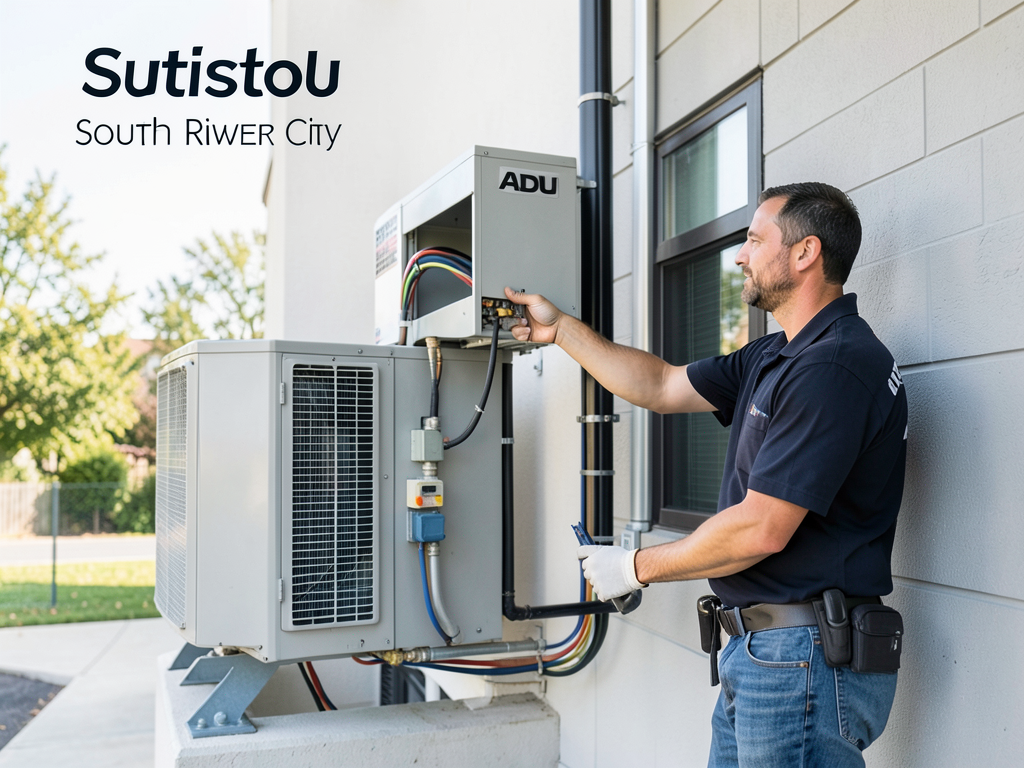
Choosing the Best HVAC System for a Casita or ADU in South River City
South River City homeowners building accessory dwelling units face unique HVAC challenges. The intense Central Texas heat combined with Austin’s high humidity creates specific cooling demands that standard systems often struggle to meet. Whether you’re adding a backyard casita for guests or converting your garage into a rental unit, choosing the right HVAC system means balancing comfort, energy efficiency, and local building requirements. Austin Energy Rebates.
The right HVAC system for your South River City ADU depends on several factors: square footage, insulation quality, intended use, and your existing home’s HVAC setup. Most importantly, Austin’s climate demands systems that handle both extreme heat and humidity control. A system that works perfectly in Denver might fail miserably in Austin’s 100°F summer stretches. City of Austin Mechanical Codes.
Why ADU HVAC Differs from Main Home Systems
Secondary structures have distinct HVAC needs compared to your primary residence. ADUs typically range from 300 to 1,000 square feet, requiring different load calculations than standard homes. The smaller space means faster temperature changes and potential humidity control issues that larger homes don’t face.
Many South River City ADUs feature modern construction with spray foam insulation or energy-efficient windows. While great for reducing heat gain, these tight envelopes can trap moisture and create indoor air quality problems without proper ventilation. The building envelope affects everything from system sizing to ductwork design. Modern HVAC Solutions for Historic Homes in Tarrytown and Old West Austin.
Independent temperature control represents another key difference. Your guests or tenants need their own thermostat, separate from your main home’s system. This prevents conflicts when someone wants the casita cooler while you prefer your main house warmer. Zoned systems or dedicated units solve this problem effectively.. Read more about Managing Your HVAC System as a Remote Landlord in Riverside and Montopolis.
Top 3 HVAC Options for Austin ADUs
Ductless Mini-Split Systems
Mini-splits dominate the ADU market for good reason. These systems consist of an outdoor compressor connected to one or more indoor air handlers via refrigerant lines. No ductwork means easier installation in existing structures and superior energy efficiency since you’re not losing cooled air through duct leaks.. Read more about Is a Ductless Mini Split Better than Central Air for Older Brentwood Bungalows.
Modern mini-splits offer SEER2 ratings up to 22, exceeding standard central AC efficiency. The variable-speed compressors adjust output based on demand, maintaining consistent temperatures while using less electricity. Most units include built-in dehumidification, crucial for Austin’s humid climate where excess moisture breeds mold and mildew.
Installation typically takes one to two days. The outdoor unit requires a concrete pad or wall mounting bracket, while indoor units mount high on walls or recess into ceilings. Refrigerant lines run through small wall penetrations, preserving your ADU’s structure. Most South River City installations cost between $3,500 and $7,000 depending on capacity.
High-Efficiency Heat Pumps
Heat pumps provide both heating and cooling from a single system, making them ideal for year-round comfort. Modern cold-climate heat pumps work efficiently even when Austin experiences occasional freezing temperatures. The reversing valve switches between heating and cooling modes automatically.
Heat pumps excel at humidity control through their longer run cycles. Unlike standard AC units that cycle on and off, heat pumps maintain steady operation, removing more moisture from the air. This prevents that sticky feeling during Austin’s humid summer nights when temperatures stay in the 80s.
For South River City ADUs, ducted heat pumps work well when extending from your main home’s system. The key is proper sizing and insulation. Undersized units run constantly, wasting energy and wearing out components. Oversized units short-cycle, failing to dehumidify properly and creating temperature swings.
Extending Your Existing Central HVAC
Extending your main home’s ductwork to the ADU offers seamless integration but presents challenges. Your existing system must have sufficient capacity to handle the additional load. Most South River City homes built before 2010 need capacity analysis before adding ADU connections.
Duct losses can reduce efficiency by 30% or more in older systems. The farther your ADU sits from the main air handler, the greater these losses become. Running new ducts across your yard requires trenching or overhead routing, adding complexity and cost to the project.
Zoning controls become essential when sharing systems. Without them, your ADU might pull cooled air from your main house, leaving bedrooms uncomfortably warm. Smart dampers and thermostats prevent these conflicts but add $1,000 to $2,000 to installation costs.
Austin Climate Considerations: Heat and Humidity
South River City experiences Austin’s most extreme weather patterns. The area sees 40+ consecutive 100°F days during summer, with humidity levels often exceeding 70%. These conditions stress HVAC systems in ways northern climates never encounter.
High humidity creates condensation on ductwork and air handlers, leading to water damage and mold growth. Systems must maintain indoor humidity below 60% to prevent these issues. Standard AC units often struggle with this requirement, cycling off before adequately removing moisture from the air.
During shoulder seasons, when outdoor temperatures hover around 75-85°F, humidity remains the primary comfort factor. Your system needs sufficient latent cooling capacity to handle moisture removal without overcooling the space. This balance proves especially challenging in well-insulated ADUs where sensible cooling demands are minimal.. Read more about What West Campus renters should know about Austin AC repair laws.
Winter presents different challenges. Austin experiences occasional freezing events, though less severe than North Texas. Heat pumps with auxiliary electric strips handle these conditions, but the strips increase electricity consumption significantly. Dual-fuel systems combining heat pumps with gas furnaces offer better efficiency but cost more upfront. Fast and Professional Furnace Repair in Georgetown During the Winter Chill.
Cost Breakdown and Austin Energy Rebates
ADU HVAC installation costs vary widely based on system type and complexity. Mini-splits typically range from $3,500 to $7,000 for complete installation. Heat pump systems cost $5,000 to $9,000 when adding new ductwork. Extending existing systems runs $2,000 to $4,000 for labor and materials.
Austin Energy offers substantial rebates for high-efficiency systems. Mini-splits with SEER2 ratings above 18 qualify for $300 to $500 rebates. Heat pumps meeting federal ENERGY STAR standards receive similar incentives. These rebates reduce your net cost by 10% to 15%, making premium systems more affordable. Affordable AC Tune-Ups and Maintenance for Pflugerville Homeowners.
The City of Austin’s ECAD ordinance affects older homes. Properties built before 2006 must undergo energy audits before major HVAC changes. The audit identifies efficiency improvements like duct sealing or insulation upgrades that qualify for additional rebates. These improvements often pay for themselves through reduced utility bills.
Operating costs depend on system efficiency and usage patterns. A typical 500-square-foot ADU in South River City costs $40 to $70 monthly to cool during peak summer. Heat pump heating adds $25 to $40 monthly during winter months. These figures assume average thermostat settings and proper system maintenance.
Permitting and Regulations for Austin ADUs
City of Austin mechanical codes govern ADU HVAC installations. All new systems require mechanical permits, regardless of whether you’re building new or retrofitting existing structures. The permitting process ensures proper sizing, ventilation, and safety compliance.
Section 13-1 of the Austin Mechanical Code mandates specific requirements for accessory structures. Systems must provide adequate ventilation, prevent backdrafting, and include proper condensate drainage. The code also addresses noise levels, restricting outdoor unit sound emissions to 78 decibels at property lines.
Electrical requirements often surprise homeowners. Most mini-split outdoor units need dedicated 220-volt circuits with GFCI protection. Heat pumps may require panel upgrades if your main home’s electrical system lacks capacity. These electrical considerations affect both installation timing and total project cost.
Historic districts like Bouldin and Travis Heights impose additional restrictions. Exterior equipment must meet aesthetic guidelines, sometimes requiring screening or specific placement. Some neighborhoods limit the number of mechanical units visible from public right-of-ways. Always check with your homeowners association before finalizing equipment selection.. Read more about Why your Travis Heights renovation needs a high velocity HVAC system.
Making the Right Choice for Your ADU
Consider your ADU’s primary use when selecting HVAC equipment. Guest houses used occasionally need different systems than full-time rentals or home offices. Frequency of use affects everything from system sizing to control options.
Noise levels matter more in smaller spaces. Mini-split indoor units operate at 25-30 decibels, quieter than a whisper. This quiet operation prevents disturbances during sleep or work. Outdoor units generate more noise, so placement away from bedroom windows proves essential.
Future expansion plans should influence your decision. If you might add rooms or change the ADU’s layout later, choose flexible systems that accommodate modifications. Mini-splits allow adding indoor units without replacing the entire system, while central systems may require complete redesign for significant changes.
Maintenance requirements vary by system type. Mini-splits need annual coil cleaning and filter replacement. Heat pumps require similar maintenance plus periodic refrigerant level checks. Central systems need duct cleaning every 3-5 years and more frequent filter changes due to smaller duct sizes in ADUs.
Smart Technology Integration
Modern ADU HVAC systems integrate seamlessly with smart home technology. Wi-Fi enabled thermostats allow remote temperature control through smartphone apps. This feature proves invaluable for rental properties or when you want to cool the space before guests arrive.
Smart sensors detect occupancy and adjust settings automatically. When the ADU sits empty, the system maintains higher temperatures to save energy. Motion sensors or door contacts trigger cooling when someone enters, ensuring comfort without wasted energy.
Energy monitoring helps track consumption patterns and identify efficiency opportunities. Many smart thermostats provide monthly energy reports, comparing your usage to similar homes. This data helps optimize settings for comfort and cost savings.
Voice control integration through Amazon Alexa or Google Assistant adds convenience. You can adjust temperatures, check system status, or set schedules using simple voice commands. This hands-free control proves especially useful when your hands are full or you’re relaxing in bed.
Indoor Air Quality Considerations
Small spaces accumulate pollutants faster than larger homes. Cooking odors, cleaning chemicals, and off-gassing from furniture concentrate in ADUs without proper ventilation. Your HVAC system must address both temperature and air quality to ensure healthy indoor environments.
High-efficiency air filters capture airborne particles, including pollen, dust, and pet dander. HEPA filters remove 99.97% of particles 0.3 microns or larger, significantly improving air quality. However, these filters restrict airflow, so your system must have sufficient fan power to maintain proper circulation.
UV light systems installed in air handlers kill mold, bacteria, and viruses as air passes through. This additional protection proves valuable in Austin’s humid climate where biological growth occurs rapidly. UV lights also prevent mold growth on cooling coils, maintaining system efficiency.
Energy recovery ventilators (ERVs) exchange stale indoor air with fresh outdoor air while transferring heat and moisture. This process maintains indoor air quality without sacrificing energy efficiency. ERVs prove especially valuable in tightly sealed ADUs where natural air exchange is minimal.
Installation Best Practices
Proper installation determines system performance more than equipment selection. Even premium systems fail when installed incorrectly. Always verify your contractor’s licensing and insurance before signing contracts.
Refrigerant line sizing affects efficiency significantly. Undersized lines cause pressure drops, reducing cooling capacity and increasing energy consumption. Lines must be properly insulated to prevent condensation and energy loss. Most manufacturers specify exact line lengths and diameters for optimal performance.
Drainage design prevents water damage and mold growth. Condensate lines must slope downward continuously toward drains. Cleanouts provide access for clearing blockages. In freezing conditions, lines need insulation to prevent ice formation that blocks drainage.
Outdoor unit placement affects both performance and noise. Units need adequate clearance for airflow and maintenance access. South-facing walls generate excess heat, reducing efficiency. Elevated pads prevent water pooling during Austin’s heavy rain events.
Electrical connections require proper sizing and protection. Dedicated circuits prevent overloads that trip breakers. Surge protection guards against lightning strikes and power fluctuations common during Texas thunderstorms. All connections must meet National Electrical Code requirements.
Maintenance Requirements
Regular maintenance extends system life and maintains efficiency. Mini-splits need annual professional cleaning plus monthly filter changes. Heat pumps require similar service but may need bi-annual attention due to year-round operation. Central systems need duct inspection and cleaning every few years.
DIY maintenance includes keeping outdoor units clear of debris and vegetation. Two feet of clearance around units ensures proper airflow. Indoor vents should remain unobstructed by furniture or curtains. Regular filter changes prevent reduced airflow that strains system components.. Read more about Keeping Your Garage Workshop Cool Without Breaking the Bank in Cedar Park.
Warning signs indicate when professional service is needed. Unusual noises, reduced cooling capacity, or ice formation on coils suggest problems requiring immediate attention. Ignoring these signs leads to complete system failure during Austin’s hottest months when repair demand peaks. Emergency AC Repair Services for Homes in West Lake Hills.
Seasonal preparation helps prevent emergencies. Before summer, check refrigerant levels and clean coils. Before winter, verify heating operation and inspect electrical connections. These simple steps prevent mid-season breakdowns when repair costs and wait times increase substantially. Local AC Repair and Cooling Experts in South Lamar and Barton Hills.
Frequently Asked Questions
What size HVAC system do I need for a 500-square-foot ADU?
A 500-square-foot ADU typically needs 12,000 to 15,000 BTU cooling capacity. However, Austin’s climate and your ADU’s insulation quality affect this calculation. Well-insulated units in shaded areas might need less capacity, while poorly insulated units in direct sun require more. Always have a professional perform Manual J calculations for accurate sizing.
Can I install HVAC myself to save money?
DIY HVAC installation violates Austin mechanical codes and voids equipment warranties. Systems require refrigerant handling certification, electrical expertise, and knowledge of local building requirements. Improper installation causes efficiency losses, moisture problems, and potential safety hazards. Professional installation ensures code compliance and manufacturer warranty protection.
How long do ADU HVAC systems typically last?
Quality systems last 15 to 20 years with proper maintenance. Mini-splits often reach the upper end of this range due to fewer moving parts and no duct losses. Heat pumps may need earlier replacement in their heating mode due to compressor cycling. Regular professional maintenance significantly extends system life.
Conclusion
Choosing the right HVAC system for your South River City ADU requires balancing multiple factors: comfort needs, energy efficiency, installation costs, and local climate demands. Mini-splits offer the best combination of efficiency, installation flexibility, and humidity control for most applications. Heat pumps provide excellent year-round performance for those needing both heating and cooling.
Remember that proper sizing and professional installation prove more important than equipment brand. A well-installed mid-range system outperforms a poorly installed premium unit every time. Consider your ADU’s specific use patterns, insulation quality, and future plans when making your final decision.
Don’t let HVAC selection overwhelm your ADU project. The right system provides years of comfortable, efficient operation while meeting Austin’s strict building codes. Whether you choose a mini-split, heat pump, or extended central system, proper planning and professional installation ensure your investment pays dividends through lower utility bills and reliable comfort.
Ready to install the perfect HVAC system for your South River City ADU? Call (737) 316-0777 today to schedule your consultation. Our licensed technicians will assess your specific needs and recommend the ideal solution for your space and budget.
You may also find this helpful. Protecting your guitar collection from humidity in South Austin.
{
“@context”: “https://schema.org”,
“@type”: “BlogPosting”,
“headline”: “Choosing the Best HVAC System for a Casita or ADU in South River City”,
“description”: “Find the perfect HVAC solution for your South River City casita or ADU. Compare mini-splits, heat pumps, and ductwork options with Austin-specific climate insights.”,
“wordCount”: 2472,
“datePublished”: “2026-04-29T09:07:00.000Z”,
“dateModified”: “2026-04-29T09:07:00.000Z”,
“inLanguage”: “en-US”,
“mainEntityOfPage”: {
“@type”: “WebPage”,
“@id”: “https://allprohvacaustin.com”
},
“publisher”: {
“@type”: “LocalBusiness”,
“name”: “All Pro HVAC Austin”,
“url”: “https://allprohvacaustin.com”
},
“author”: {
“@type”: “Organization”,
“name”: “All Pro HVAC Austin”,
“url”: “https://allprohvacaustin.com”
},
“image”: {
“@type”: “ImageObject”,
“url”: “https://allprohvacaustin.com/wp-content/uploads/2026/03/choosing-the-best-hvac-system-for-a-casita-or-adu-1.png”
}
}
{
“@context”: “https://schema.org”,
“@type”: “HVACBusiness”,
“name”: “All Pro HVAC Austin”,
“url”: “https://allprohvacaustin.com”,
“address”: {
“@type”: “PostalAddress”,
“addressLocality”: “Austin”
},
“areaServed”: {
“@type”: “City”,
“name”: “Austin”
}
}
{
“@context”: “https://schema.org”,
“@type”: “FAQPage”,
“mainEntity”: [
{
“@type”: “Question”,
“name”: “What size HVAC system do I need for a 500-square-foot ADU?”,
“acceptedAnswer”: {
“@type”: “Answer”,
“text”: “A 500-square-foot ADU typically needs 12,000 to 15,000 BTU cooling capacity. However, Austin’s climate and your ADU’s insulation quality affect this calculation. Well-insulated units in shaded areas might need less capacity, while poorly insulated units in direct sun require more. Always have a professional perform Manual J calculations for accurate sizing.”
}
},
{
“@type”: “Question”,
“name”: “Can I install HVAC myself to save money?”,
“acceptedAnswer”: {
“@type”: “Answer”,
“text”: “DIY HVAC installation violates Austin mechanical codes and voids equipment warranties. Systems require refrigerant handling certification, electrical expertise, and knowledge of local building requirements. Improper installation causes efficiency losses, moisture problems, and potential safety hazards. Professional installation ensures code compliance and manufacturer warranty protection.”
}
},
{
“@type”: “Question”,
“name”: “How long do ADU HVAC systems typically last?”,
“acceptedAnswer”: {
“@type”: “Answer”,
“text”: “Quality systems last 15 to 20 years with proper maintenance. Mini-splits often reach the upper end of this range due to fewer moving parts and no duct losses. Heat pumps may need earlier replacement in their heating mode due to compressor cycling. Regular professional maintenance significantly extends system life.”
}
}
]
}
{
“@context”: “https://schema.org”,
“@type”: “BreadcrumbList”,
“itemListElement”: [
{
“@type”: “ListItem”,
“position”: 1,
“name”: “Home”,
“item”: “https://allprohvacaustin.com”
},
{
“@type”: “ListItem”,
“position”: 2,
“name”: “Blog”,
“item”: “https://allprohvacaustin.com/blog”
},
{
“@type”: “ListItem”,
“position”: 3,
“name”: “Choosing the Best HVAC System for a Casita or ADU in South River City”
}
]
}
{
“@context”: “https://schema.org”,
“@type”: “Service”,
“serviceType”: “HVAC”,
“provider”: {
“@type”: “LocalBusiness”,
“name”: “All Pro HVAC Austin”,
“url”: “https://allprohvacaustin.com”
},
“areaServed”: {
“@type”: “City”,
“name”: “Austin”
},
“description”: “Find the perfect HVAC solution for your South River City casita or ADU. Compare mini-splits, heat pumps, and ductwork options with Austin-specific climate insights.”
}