
Are Smart Vents Worth It? An Austin HVAC Pro’s Honest Review
Smart vents promise to fix hot and cold spots in your Mueller townhome while cutting energy bills. But do they actually work in Austin’s brutal summer heat? The short answer: they can help, but only if your HVAC system can handle the extra stress. Here’s what every Mueller homeowner needs to know before spending $500-$1,000 per room.
Smart vents use battery-powered or hardwired dampers to automatically open and close based on room temperature. They communicate with your thermostat to redirect airflow where it’s needed most. Sounds perfect for Mueller’s modern two-story townhomes where upstairs bedrooms often bake while downstairs living areas freeze. Modern HVAC Solutions for Historic Homes in Tarrytown and Old West Austin.
But there’s a catch. Your HVAC blower motor pushes air through ducts at specific pressure levels. When smart vents close off rooms, that pressure builds up in the ductwork. Too much backpressure can strain the blower motor, freeze evaporator coils, or even cause your AC to shut down completely. That’s why many Austin HVAC technicians hesitate to recommend them. Emergency Ductwork Repair.
What are Smart Vents and How Do They Work?
Smart vents replace your existing vent covers with motorized dampers controlled by your phone or smart home system. When a room gets too hot or cold, the vent opens to allow more conditioned air. When it reaches the target temperature, the vent closes to redirect air elsewhere.
The technology sounds simple, but it creates complex pressure dynamics inside your ductwork. In a typical Mueller townhome with 8-12 vents, closing just 2-3 vents can increase static pressure by 30-50%. Your HVAC system was designed for all vents open, and this pressure spike forces the blower motor to work harder.

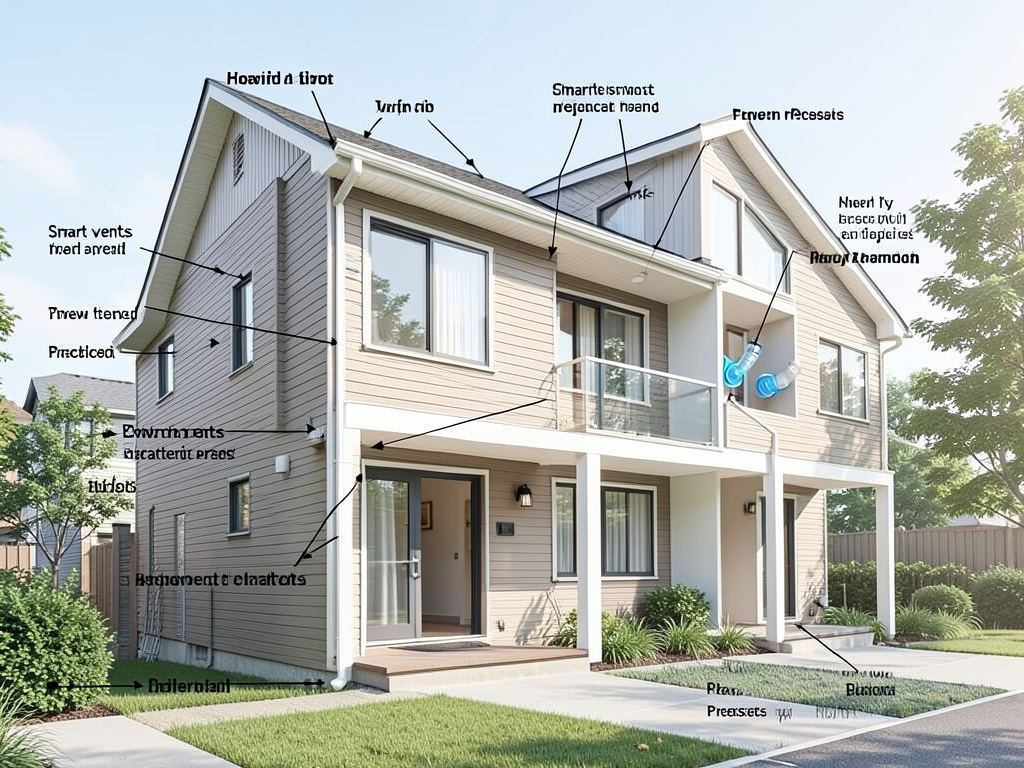
– Diagram showing how smart vents redirect airflow in a two-story townhome, with pressure readings at key points in the duct system.
Top Smart Vent Brands Comparison (Flair vs. Keen vs. Cielo)
| Brand | Power Source | Smart Home Integration | Average Cost per Vent | Best For |
|---|---|---|---|---|
| Flair Smart Vent | Battery or AC power | Nest, Ecobee, Google Home | $79-99 | DIY installation |
| Keen Home Smart Vent | Battery only | Alexa, Google Assistant | $89-119 | Simple zoning |
| Cielo Breez Smart Vent | AC power only | Nest, Ecobee, SmartThings | $69-89 | Hardwired setups |
Flair leads the market with the most reliable integration and longest battery life. Their puck sensor system provides better room-by-room temperature control than competitors. Keen offers the simplest setup but lacks advanced features. Cielo provides the best value for hardwired installations but requires professional electrical work. Fast and Professional Furnace Repair in Georgetown During the Winter Chill.
The ‘Static Pressure’ Problem: Why Your HVAC Tech is Nervous
Static pressure is the resistance air encounters moving through your duct system. Your HVAC equipment is designed to operate at specific pressure ranges, typically 0.5 inches of water column for residential systems. Smart vents can push this to 0.8-1.2 inches, exceeding manufacturer specifications.
When pressure exceeds design limits, several problems occur. The blower motor draws more electricity and generates excess heat, potentially failing years early. The evaporator coil can freeze when airflow drops too low, causing water damage and system shutdowns. In extreme cases, the compressor can overheat and fail, costing $2,000-$4,000 to replace.
– Technician using a manometer to measure static pressure in a residential duct system before and after smart vent installation.
Most modern variable-speed HVAC systems handle smart vents better than older single-speed units. Variable-speed blowers can adjust their output to maintain proper airflow even when some vents close. But even these systems have limits. A good rule of thumb: don’t close more than 20% of your vents at any time.
Energy Efficiency in the Austin Heat: Real World Savings
Smart vents can reduce energy consumption by 10-15% in ideal conditions. In Mueller townhomes, where upstairs rooms often need cooling while downstairs spaces are comfortable, the savings potential is higher. During Austin’s peak summer months, this translates to $15-25 monthly savings on a typical 2,500 square foot home.
The real savings come from comfort optimization rather than pure energy reduction. Instead of running the AC at full blast to cool a hot upstairs bedroom, smart vents redirect existing cool air from other rooms. This reduces runtime on your compressor, which is the most expensive component to replace.
However, Austin’s high humidity complicates the equation. Your AC doesn’t just cool air; it removes moisture. When smart vents reduce airflow through certain rooms, those spaces may not get adequate dehumidification. This can lead to musty odors, mold growth, and discomfort even at comfortable temperatures.
Smart Vent Compatibility with Nest, Ecobee, and Honeywell
Most smart vents work best with specific smart thermostats. Flair integrates seamlessly with Nest and Ecobee, using the thermostat’s sensors to coordinate temperature control. The system automatically adjusts vent positions based on both room sensors and the main thermostat reading.
Ecobee’s room sensors work particularly well with smart vents because they provide multiple temperature readings throughout your home. The system can prioritize which rooms get conditioned air based on occupancy and temperature differential. Nest’s learning algorithms also adapt to your schedule, pre-cooling bedrooms before bedtime.
Honeywell Home and other proprietary systems have limited smart vent compatibility. You may need to use the vent manufacturer’s app instead of your main smart home interface. This fragmentation reduces the seamless experience that makes smart home technology appealing.
Installation Guide: DIY vs. Professional HVAC Setup
DIY installation seems straightforward: remove old vent cover, install smart vent, connect to WiFi. But the real work happens in your ductwork. You need to identify which vents to install, map out your duct system, and ensure proper airflow balance.
Professional installation costs $200-400 per vent but includes critical system testing. A qualified HVAC technician will measure static pressure, check for duct leaks, and verify that your system can handle the additional stress. They can also recommend which rooms will benefit most from smart vents.
– HVAC technician installing a smart vent in a ceiling register, with pressure gauges connected to measure system performance.
The DIY route works for battery-powered vents in homes with good ductwork. If you have old, leaky ducts or an aging HVAC system, professional installation becomes essential. The cost of fixing a frozen coil or burned-out blower motor far exceeds the installation savings.
Final Verdict: Who Should (and Shouldn’t) Buy Smart Vents?
Smart vents make sense for Mueller townhome owners with newer HVAC systems (under 8 years old) who experience significant temperature imbalances between floors. They’re also worth considering if you already have a smart thermostat ecosystem and want to expand your home automation.
Avoid smart vents if your HVAC system is over 10 years old, if you have ductwork in unconditioned spaces, or if you live in a home with only one or two zones. The risk of system damage outweighs the comfort benefits in these situations.
For most Mueller residents, the best approach is a hybrid solution. Install smart vents in 2-3 problem rooms rather than your entire house. This provides targeted comfort improvement while minimizing pressure system stress. Combine this with proper attic insulation and sealed ductwork for maximum efficiency.
Call (737) 316-0777 today to schedule your inspection. Our technicians can test your system’s static pressure and recommend whether smart vents will help or harm your specific setup. Don’t wait until your AC freezes up on a 100-degree day.
Frequently Asked Questions
Will smart vents void my HVAC warranty?
Most manufacturers don’t explicitly void warranties for smart vent installation, but they can deny claims if system damage results from improper use. Always check your warranty terms and consider professional installation to maintain coverage.
How long do smart vent batteries last?
Battery life varies by usage and brand. Flair vents typically last 12-18 months on AA batteries. Keen vents often need replacement every 6-12 months. Hardwired options eliminate battery concerns but require professional electrical work.
Can smart vents work with my existing zoning system?
Smart vents and traditional zoning systems can conflict. If you already have dampers in your ductwork, adding smart vents may create pressure issues. Consult an HVAC professional to evaluate compatibility before installation.
Do smart vents work during power outages?
Battery-powered smart vents remain functional during outages, maintaining their last known positions. Hardwired vents default to fully open for safety. Your smart home app won’t work without WiFi, but the mechanical dampers continue operating.
What’s the ROI timeline for smart vents?
Energy savings typically offset costs in 3-5 years for homes with significant temperature imbalances. However, the primary benefit is improved comfort rather than pure energy reduction. Factor in potential HVAC repair costs when calculating true ROI. For more information, visit Energy.gov air sealing guide. For more information, visit EPA humidity control recommendations.
You may also find this helpful. Ventilation tips for homeowners turning a spare room into a permanent home office.
{
“@context”: “https://schema.org”,
“@type”: “BlogPosting”,
“headline”: “Are smart vents worth the investment for modern Mueller townhomes?”,
“description”: “Mueller homeowners weigh smart vent costs vs. benefits for Austin’s extreme heat. HVAC pro explains static pressure risks, energy savings, and compatibility with Nest/Ecobee systems.”,
“wordCount”: 1455,
“datePublished”: “2026-03-15T09:34:00.000Z”,
“dateModified”: “2026-03-15T09:34:00.000Z”,
“inLanguage”: “en-US”,
“mainEntityOfPage”: {
“@type”: “WebPage”,
“@id”: “https://allprohvacaustin.com”
},
“publisher”: {
“@type”: “LocalBusiness”,
“name”: “All Pro HVAC Austin”,
“url”: “https://allprohvacaustin.com”
},
“author”: {
“@type”: “Organization”,
“name”: “All Pro HVAC Austin”,
“url”: “https://allprohvacaustin.com”
},
“image”: {
“@type”: “ImageObject”,
“url”: “https://allprohvacaustin.com/wp-content/uploads/2026/03/are-smart-vents-worth-the-investment-for-modern-mu-1.png”
}
}
{
“@context”: “https://schema.org”,
“@type”: “HVACBusiness”,
“name”: “All Pro HVAC Austin”,
“url”: “https://allprohvacaustin.com”,
“address”: {
“@type”: “PostalAddress”,
“addressLocality”: “Austin”
},
“areaServed”: {
“@type”: “City”,
“name”: “Austin”
}
}
{
“@context”: “https://schema.org”,
“@type”: “FAQPage”,
“mainEntity”: [
{
“@type”: “Question”,
“name”: “What are Smart Vents and How Do They Work?”,
“acceptedAnswer”: {
“@type”: “Answer”,
“text”: “Smart vents replace your existing vent covers with motorized dampers controlled by your phone or smart home system. When a room gets too hot or cold, the vent opens to allow more conditioned air. When it reaches the target temperature, the vent closes to redirect air elsewhere.”
}
},
{
“@type”: “Question”,
“name”: “Final Verdict: Who Should (and Shouldn’t) Buy Smart Vents?”,
“acceptedAnswer”: {
“@type”: “Answer”,
“text”: “Smart vents make sense for Mueller townhome owners with newer HVAC systems (under 8 years old) who experience significant temperature imbalances between floors. They’re also worth considering if you already have a smart thermostat ecosystem and want to expand your home automation.”
}
},
{
“@type”: “Question”,
“name”: “Will smart vents void my HVAC warranty?”,
“acceptedAnswer”: {
“@type”: “Answer”,
“text”: “Most manufacturers don’t explicitly void warranties for smart vent installation, but they can deny claims if system damage results from improper use. Always check your warranty terms and consider professional installation to maintain coverage.”
}
},
{
“@type”: “Question”,
“name”: “How long do smart vent batteries last?”,
“acceptedAnswer”: {
“@type”: “Answer”,
“text”: “Battery life varies by usage and brand. Flair vents typically last 12-18 months on AA batteries. Keen vents often need replacement every 6-12 months. Hardwired options eliminate battery concerns but require professional electrical work.”
}
},
{
“@type”: “Question”,
“name”: “Can smart vents work with my existing zoning system?”,
“acceptedAnswer”: {
“@type”: “Answer”,
“text”: “Smart vents and traditional zoning systems can conflict. If you already have dampers in your ductwork, adding smart vents may create pressure issues. Consult an HVAC professional to evaluate compatibility before installation.”
}
},
{
“@type”: “Question”,
“name”: “Do smart vents work during power outages?”,
“acceptedAnswer”: {
“@type”: “Answer”,
“text”: “Battery-powered smart vents remain functional during outages, maintaining their last known positions. Hardwired vents default to fully open for safety. Your smart home app won’t work without WiFi, but the mechanical dampers continue operating.”
}
}
]
}
{
“@context”: “https://schema.org”,
“@type”: “BreadcrumbList”,
“itemListElement”: [
{
“@type”: “ListItem”,
“position”: 1,
“name”: “Home”,
“item”: “https://allprohvacaustin.com”
},
{
“@type”: “ListItem”,
“position”: 2,
“name”: “Blog”,
“item”: “https://allprohvacaustin.com/blog”
},
{
“@type”: “ListItem”,
“position”: 3,
“name”: “Are smart vents worth the investment for modern Mueller townhomes?”
}
]
}
{
“@context”: “https://schema.org”,
“@type”: “Service”,
“serviceType”: “HVAC”,
“provider”: {
“@type”: “LocalBusiness”,
“name”: “All Pro HVAC Austin”,
“url”: “https://allprohvacaustin.com”
},
“areaServed”: {
“@type”: “City”,
“name”: “Austin”
},
“description”: “Mueller homeowners weigh smart vent costs vs. benefits for Austin’s extreme heat. HVAC pro explains static pressure risks, energy savings, and compatibility with Nest/Ecobee systems.”
}