
Common AC noises that mean you need a repair before the Austin summer hits
Your AC starts making a sound you’ve never heard before. A grinding, a hissing, a loud bang that wasn’t there yesterday. In Austin’s brutal summer heat, that sound isn’t just annoying—it’s your system screaming for help before it fails completely.
Most homeowners wait until their AC stops working entirely. That’s when repair costs skyrocket and you’re stuck in a 100-degree house waiting for a technician. The smart move is recognizing the warning sounds early and calling for service before the real damage happens. EPA Section 608 regulations.
Why Austin’s summer heat makes AC noises worse
Austin’s extreme temperatures put your AC under constant stress. When outdoor temps hit 100+ degrees, your condenser works overtime, running almost continuously. This creates thermal expansion in metal components, loosens mounting hardware, and accelerates wear on bearings and belts.
Combine that with Austin’s high humidity levels and you get condensation buildup that can cause electrical connections to corrode faster. The result? Noises that start as minor annoyances quickly become major mechanical failures.
Local HVAC technicians report that 70% of emergency summer calls could have been prevented if homeowners had addressed strange noises during spring. That’s why understanding what each sound means could save you thousands in repair costs. Emergency AC Repair Services for Homes in West Lake Hills.
Banging or clanking sounds

A loud banging or clanking noise usually means something inside your AC has come loose or broken completely. The most common culprit is the compressor—the heart of your cooling system. When internal compressor mounts fail, the motor bangs against the housing with each cycle.
Another possibility is a broken connecting rod or piston inside the compressor. This creates a distinctive metallic banging that gets louder as the unit runs longer. In some cases, it’s actually a loose fan blade hitting the condenser housing.
What it sounds like: A hammer hitting metal, rhythmic and getting louder over time.
Why it happens in Austin: The extreme heat causes metal components to expand more than in cooler climates, loosening bolts and mounts faster. Combined with constant operation during summer, this accelerates mechanical failure.
DIY check: Turn off the unit immediately. Don’t run it—continuing to operate with a banging sound can destroy the compressor completely, turning a $300 repair into a $2,500 replacement. Local AC Repair and Cooling Experts in South Lamar and Barton Hills.
Squealing or screeching noises
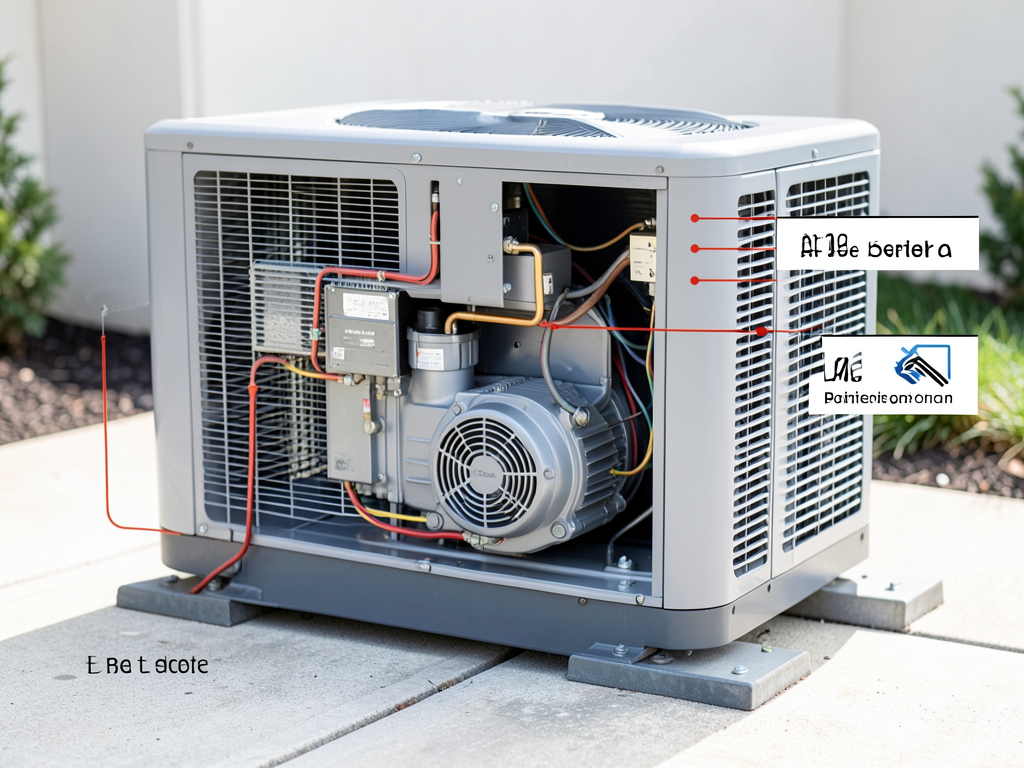
High-pitched squeals usually come from belt-driven components or failing bearings. In older AC units, a worn blower belt slips and creates that characteristic squeal when the motor starts. Newer units don’t use belts, so squealing often indicates failing bearings in the condenser fan motor or blower motor.
The sound typically starts as an occasional squeal during startup and progresses to constant noise. If you hear it from the outdoor unit, it’s likely the condenser fan motor bearings wearing out. From the indoor unit, it’s probably the blower motor.
What it sounds like: A scream or whistle that gets higher in pitch as the motor speeds up.
Why it happens in Austin: The combination of dust from our dry spells and constant humidity creates a perfect environment for bearing wear. Austin’s pollen season also means more debris gets pulled into outdoor units, accelerating motor wear.
DIY check: Listen carefully to determine if the squeal is coming from inside or outside. If it’s the outdoor unit and you feel comfortable, you can try cleaning the fan blades—but don’t attempt bearing replacement yourself. A failing bearing can seize suddenly, destroying the motor.
Hissing or bubbling sounds
A hissing noise often indicates a refrigerant leak. The sound comes from high-pressure refrigerant escaping through a small hole or crack in the lines. Sometimes you’ll hear a bubbling sound instead, which happens when air enters the refrigerant lines due to low pressure.
Refrigerant leaks don’t just reduce cooling efficiency—they can cause the compressor to overheat and fail completely. The EPA mandates that technicians repair leaks rather than just adding more refrigerant, since releasing refrigerant damages the ozone layer. 24/7 Emergency AC Repair.
What it sounds like: Air escaping from a tire or water boiling at low volume.
Why it happens in Austin: Our extreme temperature swings cause copper refrigerant lines to expand and contract more dramatically than in moderate climates. Over time, this movement creates stress points that crack. Plus, our high humidity accelerates corrosion on line sets running through unconditioned spaces.
DIY check: If you hear hissing, check for ice buildup on the larger refrigerant line near the outdoor unit. Ice formation indicates low refrigerant. Also check your energy bills—a sudden spike often accompanies refrigerant loss as the system runs longer trying to cool.
Buzzing or humming sounds
A constant buzzing or humming often points to electrical issues. The contactor relay that controls power to the compressor might be failing, creating a low-voltage buzz. Alternatively, loose electrical connections can cause arcing that produces a distinct buzzing sound.
Sometimes buzzing comes from the condenser fan motor when it’s struggling to start but can’t quite turn over. This is different from a healthy hum—it’s more erratic and often accompanied by the fan not spinning at full speed.
What it sounds like: A bee hive or electrical transformer hum, sometimes with a clicking undertone.
Why it happens in Austin: Our power grid reliability issues mean more voltage fluctuations that stress electrical components. Plus, the constant operation during summer heat waves causes electrical connections to loosen from thermal cycling.
DIY check: If you hear buzzing, check if the outdoor fan is spinning properly. If it’s not moving or moving slowly, turn off the system immediately. A non-spinning fan can cause the compressor to overheat in minutes.
Rattling or vibrating noises
Rattling often comes from loose components. The outdoor condenser unit sits on rubber isolation feet that degrade over time, allowing metal-to-metal contact. Debris like sticks, leaves, or even small animals can get caught in the fan and create rattling sounds.
Sometimes rattling indicates a failing compressor with loose internal components. The sound might be more pronounced when the unit starts up or shuts down as pressure changes cause things to shift inside.
What it sounds like: Loose change in a dryer or a vibrating metal sheet.
Why it happens in Austin: Our expansive clay soil shifts with moisture changes, causing outdoor units to become slightly unlevel over time. This creates stress on mounting hardware and accelerates wear on isolation components.
DIY check: Inspect the outdoor unit for visible debris. Check if the unit rocks when you gently push on it—if so, the mounting needs adjustment. But don’t ignore persistent rattling, as it often precedes more serious mechanical failures.
Clicking sounds
Clicking noises can be normal during startup and shutdown as electrical components engage. But continuous clicking usually indicates a problem with the relay or control board. The clicking happens when the thermostat calls for cooling but the system can’t start properly.
Sometimes clicking comes from a failing capacitor trying to start the compressor but not providing enough power. The compressor attempts to start, fails, and the cycle repeats with each click.
What it sounds like: A light switch being flipped rapidly, or a metronome at irregular intervals.
Why it happens in Austin: Our high summer demand means capacitors work harder and fail more frequently. Voltage fluctuations from ERCOT grid stress also damage control boards and relays.
DIY check: If you hear rapid clicking and the outdoor unit isn’t running, turn off the system. A failing capacitor can cause the compressor to draw excessive current, potentially damaging other components.
When to turn off your AC immediately
Some AC noises signal immediate danger and require you to shut down the system right away. If you hear any of these sounds, turn off your AC at the thermostat and call for emergency service: Emergency Ductwork Repair.
- Grinding metal-on-metal sounds
- Electrical popping or arcing sounds
- Smoke or burning smells accompanying any noise
- Extremely loud banging that sounds like something breaking
- Continuous clicking with no cooling happening
Continuing to run an AC with these symptoms can cause:
- Complete compressor failure ($2,500+ replacement)
- Electrical fires
- Damage to other expensive components like the condenser coil
- Voided manufacturer warranties due to neglect
According to the International Mechanical Code Section 1101.2, HVAC systems showing signs of mechanical distress should be shut down to prevent further damage and potential safety hazards. International Mechanical Code Section 1101.2.
Professional AC repair services in Austin, TX
Living in Austin means dealing with unique HVAC challenges. Our technicians understand how local factors affect your system:
- High humidity accelerates corrosion on electrical connections
- Expansive clay soil causes outdoor units to shift, creating stress on components
- ERCOT grid fluctuations damage capacitors and control boards
- Pollen season clogs outdoor coils, causing motors to work harder
We serve all Austin neighborhoods including Downtown, Tarrytown, Mueller, Barton Hills, and surrounding areas like Round Rock, Pflugerville, and Cedar Park. Our technicians carry common replacement parts on their trucks, allowing us to fix most problems the same day.
All our repairs come with a satisfaction guarantee and we provide clear pricing before any work begins. We’re licensed by the Texas Department of Licensing and Regulation (TACLA license number available upon request) and our technicians hold NATE certifications.
DIY vs. professional repair: What you can safely check
Some AC noises have simple DIY fixes, while others require professional tools and expertise. Here’s what you can safely check yourself: Fast and Professional Furnace Repair in Georgetown During the Winter Chill.
- Check for obvious debris
Inspect the outdoor unit for leaves, sticks, or other debris that might be causing rattling sounds. Turn off power at the breaker before reaching inside.
- Listen for location
Determine if the noise comes from inside or outside. Indoor noises often indicate blower motor issues, while outdoor noises usually involve the compressor or fan motor.
- Check air filters
Clogged filters can cause whistling sounds and make motors work harder, accelerating wear. Replace if dirty.
- Inspect insulation
Check refrigerant lines for damaged insulation that could cause sweating and corrosion. Replace damaged insulation with proper AC line insulation.
Never attempt these repairs yourself:
- Refrigerant handling (requires EPA certification)
- Electrical repairs beyond checking breakers
- Component replacement like motors or capacitors
- Refrigerant leak repairs
According to EPA Section 608 regulations, only certified technicians can legally handle refrigerants. Improper handling releases chemicals that damage the ozone layer and can result in fines up to $10,000 per violation.
Preventative maintenance: Stop noises before they start
The best way to avoid AC noises and costly repairs is regular maintenance. A professional tune-up twice yearly can catch worn bearings, loose mounts, and electrical issues before they become major problems.
During maintenance, technicians perform specific diagnostic tests:
- Measure amperage draw on motors to detect failing bearings
- Check capacitor performance under load
- Inspect electrical connections for corrosion or looseness
- Measure refrigerant charge and check for leaks
Many Austin homeowners qualify for Austin Energy rebates when they maintain their systems properly. These rebates can offset maintenance costs while improving efficiency.
Don’t wait for your AC to fail during the next 100-degree day. If you’re hearing any of these warning sounds, call us today at (737) 316-0777. Our technicians are standing by to diagnose and repair your system before the Austin summer heat arrives.
Frequently Asked Questions
How much does AC repair cost in Austin?
Repair costs vary widely based on the problem. Simple fixes like capacitor replacement might cost $150-300, while compressor replacement can run $1,500-2,500. Most diagnostic fees in Austin range from $75-125, which is credited toward repairs if you proceed.
Can I keep running my AC if it’s making noise?
It depends on the noise. Minor rattling or humming might be safe for short periods, but banging, screeching, or hissing sounds indicate serious problems that require immediate shutdown. When in doubt, turn it off and call a professional.
How long should an AC unit last in Austin’s climate?
With proper maintenance, most AC units last 12-15 years in Austin. The extreme heat and humidity mean systems work harder here than in milder climates, so units in Austin often need replacement 2-3 years sooner than the national average.
What’s the most common AC repair in Austin during summer?
Capacitor failure is the most frequent summer repair. The constant operation during heat waves, combined with voltage fluctuations from ERCOT, causes capacitors to fail at much higher rates than in other regions.
Do you offer emergency AC repair in Austin?
Yes, we provide 24/7 emergency AC repair throughout Austin and surrounding areas. We understand that losing AC during a Texas summer isn’t just inconvenient—it can be dangerous, especially for elderly residents or those with health conditions.
Call (737) 316-0777 now if you’re hearing any of these warning sounds. Don’t wait until your AC fails completely and leaves you stuck in the heat. Our experienced technicians will diagnose the problem quickly and get your system running smoothly before the worst of Austin’s summer heat arrives.
{
“@context”: “https://schema.org”,
“@type”: “BlogPosting”,
“headline”: “Common AC noises that mean you need a repair before the Austin summer hits”,
“description”: “Hear a strange noise from your AC? Don’t wait for a breakdown. Learn the warning sounds that signal costly repairs are needed before Austin’s brutal summer heat arrives.”,
“wordCount”: 2166,
“datePublished”: “2026-03-07T16:09:00.000Z”,
“dateModified”: “2026-03-07T16:09:00.000Z”,
“inLanguage”: “en-US”,
“mainEntityOfPage”: {
“@type”: “WebPage”,
“@id”: “https://allprohvacaustin.com”
},
“publisher”: {
“@type”: “LocalBusiness”,
“name”: “All Pro HVAC Austin”,
“url”: “https://allprohvacaustin.com”
},
“author”: {
“@type”: “Organization”,
“name”: “All Pro HVAC Austin”,
“url”: “https://allprohvacaustin.com”
},
“image”: {
“@type”: “ImageObject”,
“url”: “https://allprohvacaustin.com/wp-content/uploads/2026/03/common-ac-noises-that-mean-you-need-a-repair-befor-1.png”
}
}
{
“@context”: “https://schema.org”,
“@type”: “HVACBusiness”,
“name”: “All Pro HVAC Austin”,
“url”: “https://allprohvacaustin.com”,
“address”: {
“@type”: “PostalAddress”,
“addressLocality”: “Austin”
},
“areaServed”: {
“@type”: “City”,
“name”: “Austin”
}
}
{
“@context”: “https://schema.org”,
“@type”: “FAQPage”,
“mainEntity”: [
{
“@type”: “Question”,
“name”: “How much does AC repair cost in Austin?”,
“acceptedAnswer”: {
“@type”: “Answer”,
“text”: “Repair costs vary widely based on the problem. Simple fixes like capacitor replacement might cost $150-300, while compressor replacement can run $1,500-2,500. Most diagnostic fees in Austin range from $75-125, which is credited toward repairs if you proceed.”
}
},
{
“@type”: “Question”,
“name”: “Can I keep running my AC if it’s making noise?”,
“acceptedAnswer”: {
“@type”: “Answer”,
“text”: “It depends on the noise. Minor rattling or humming might be safe for short periods, but banging, screeching, or hissing sounds indicate serious problems that require immediate shutdown. When in doubt, turn it off and call a professional.”
}
},
{
“@type”: “Question”,
“name”: “How long should an AC unit last in Austin’s climate?”,
“acceptedAnswer”: {
“@type”: “Answer”,
“text”: “With proper maintenance, most AC units last 12-15 years in Austin. The extreme heat and humidity mean systems work harder here than in milder climates, so units in Austin often need replacement 2-3 years sooner than the national average.”
}
},
{
“@type”: “Question”,
“name”: “Do you offer emergency AC repair in Austin?”,
“acceptedAnswer”: {
“@type”: “Answer”,
“text”: “Yes, we provide 24/7 emergency AC repair throughout Austin and surrounding areas. We understand that losing AC during a Texas summer isn’t just inconvenient—it can be dangerous, especially for elderly residents or those with health conditions.”
}
}
]
}
{
“@context”: “https://schema.org”,
“@type”: “HowTo”,
“name”: “DIY AC Noise Diagnosis”,
“step”: [
{
“@type”: “HowToStep”,
“position”: 1,
“name”: “Check for obvious debris”,
“text”: “Inspect the outdoor unit for leaves, sticks, or other debris that might be causing rattling sounds. Turn off power at the breaker before reaching inside.”
},
{
“@type”: “HowToStep”,
“position”: 2,
“name”: “Listen for location”,
“text”: “Determine if the noise comes from inside or outside. Indoor noises often indicate blower motor issues, while outdoor noises usually involve the compressor or fan motor.”
},
{
“@type”: “HowToStep”,
“position”: 3,
“name”: “Check air filters”,
“text”: “Clogged filters can cause whistling sounds and make motors work harder, accelerating wear. Replace if dirty.”
},
{
“@type”: “HowToStep”,
“position”: 4,
“name”: “Inspect insulation”,
“text”: “Check refrigerant lines for damaged insulation that could cause sweating and corrosion. Replace damaged insulation with proper AC line insulation.”
}
],
“image”: “https://allprohvacaustin.com/wp-content/uploads/2026/03/common-ac-noises-that-mean-you-need-a-repair-befor-1.png”
}
{
“@context”: “https://schema.org”,
“@type”: “BreadcrumbList”,
“itemListElement”: [
{
“@type”: “ListItem”,
“position”: 1,
“name”: “Home”,
“item”: “https://allprohvacaustin.com”
},
{
“@type”: “ListItem”,
“position”: 2,
“name”: “Blog”,
“item”: “https://allprohvacaustin.com/blog”
},
{
“@type”: “ListItem”,
“position”: 3,
“name”: “Common AC noises that mean you need a repair before the Austin summer hits”
}
]
}
{
“@context”: “https://schema.org”,
“@type”: “Service”,
“serviceType”: “HVAC”,
“provider”: {
“@type”: “LocalBusiness”,
“name”: “All Pro HVAC Austin”,
“url”: “https://allprohvacaustin.com”
},
“areaServed”: {
“@type”: “City”,
“name”: “Austin”
},
“description”: “Hear a strange noise from your AC? Don’t wait for a breakdown. Learn the warning sounds that signal costly repairs are needed before Austin’s brutal summer heat arrives.”
}