

Menu

HVAC Warranty Guide Austin – Protect Your Investment with Complete Coverage Clarity

Navigate manufacturer warranties, extended coverage options, and HVAC equipment warranty policies with expert guidance tailored to Austin's climate demands and your system's specific protection needs.

Slider Image 1
Slider Image 2
Slider Image 3
Slider Image 4
Slider Image 5
Slider Image 7
Slider Image 8
Slider Image 9
Slider Image 10
Slider Image 11

Why Austin Homeowners Need Clear HVAC Warranty Information Now

You bought a new HVAC system expecting years of reliable cooling and heating. Then something breaks and you face a confusing maze of HVAC manufacturer warranty details, exclusions, and fine print that leaves you wondering what's actually covered.

Austin's brutal summer heat pushes air conditioning systems harder than most regions. When your unit runs 200-plus days per year fighting 100-degree temperatures, components wear faster. Compressors strain. Capacitors fail. Evaporator coils corrode from condensation cycles that never seem to stop.

The problem is that most homeowners don't understand their heating and cooling warranty terms until they need a repair. You might assume your five-year-old system is fully covered, only to discover the labor isn't included. Or that the manufacturer requires proof of annual maintenance you never completed. Or that your specific failure falls under a prorated coverage schedule that leaves you paying 60 percent of the replacement cost.

HVAC system warranty coverage varies dramatically between manufacturers, equipment tiers, and installation dates. A basic parts warranty protects the hardware but leaves you paying $150 per hour for diagnostic time and labor. Extended warranties add protection but come with registration deadlines and maintenance requirements that void coverage if missed.

Understanding HVAC unit warranty information before you need it saves you from expensive surprises when your system fails during August. The difference between full coverage and paying out-of-pocket often comes down to knowing what paperwork to keep, which maintenance records matter, and how to file a claim correctly the first time.

Why Austin Homeowners Need Clear HVAC Warranty Information Now
How HVAC Warranty Coverage Actually Works in Texas

How HVAC Warranty Coverage Actually Works in Texas

HVAC equipment warranty policies typically include three coverage layers that work differently and expire on separate schedules. The base manufacturer parts warranty covers compressors, heat exchangers, and major components for five to ten years depending on equipment tier and brand. This protects the hardware itself but excludes labor costs, refrigerant, and diagnostic fees.

Labor warranties are separate and usually shorter. Most manufacturers offer one year of labor coverage from installation date. After that, you pay for the technician's time even if the failed part is under warranty. Some contractors offer extended labor coverage as an add-on service, but this requires enrollment within a specific window after installation.

The third layer is registration-dependent extended coverage. Many manufacturers provide enhanced warranties only if you register your equipment within 60 to 90 days of installation. Miss that deadline and your ten-year compressor warranty drops to five years automatically. This catches thousands of homeowners every year who assume their contractor handled registration.

Heating and cooling warranty terms also include maintenance requirements that most people overlook. Annual professional maintenance is often mandatory to keep coverage active. Skip a year and some manufacturers void the entire warranty, leaving you responsible for a $2,000 compressor replacement that should have been covered.

Texas heat creates specific warranty complications. Coil corrosion from high humidity and condensation cycles is common, but manufacturers often classify this as maintenance-related damage rather than a defect. Your warranty claim gets denied unless you can prove proper filter changes and coil cleaning. Documentation becomes your protection, which is why keeping service records matters more in Austin's climate than in milder regions.

Getting Maximum Value from Your HVAC Warranty

HVAC Warranty Guide Austin – Protect Your Investment with Complete Coverage Clarity
01

Document Everything Immediately

Create a warranty folder the day your system is installed. Store your purchase receipt, manufacturer warranty card, installation permit, and contractor invoice together. Photograph your equipment's model and serial number labels. Register your system online with the manufacturer within 30 days. Set a calendar reminder for annual maintenance to meet warranty requirements. This simple organization prevents 90 percent of warranty claim denials that result from missing paperwork or expired registration windows.
02

Schedule Annual Maintenance

Book professional maintenance every spring before cooling season starts. Request a detailed service report that documents refrigerant levels, electrical readings, coil condition, and filter status. Keep these reports with your warranty documents. Annual maintenance satisfies manufacturer requirements and creates the proof you need if a warranty claim is disputed later. Skipped maintenance is the number one reason manufacturers deny coverage for failed compressors and heat exchangers in systems under five years old.
03

File Claims Properly

When something fails, contact a qualified contractor immediately rather than attempting DIY diagnosis. Use a licensed technician who can provide manufacturer-acceptable documentation of the failure. Request the failed part be saved for manufacturer inspection if required. Submit warranty claims with complete service history, proof of maintenance, and detailed failure description. Incomplete claims get rejected automatically. Professional contractors familiar with HVAC equipment warranty policies know exactly what documentation manufacturers require and how to present your claim for fastest approval and processing.

Why Austin Homeowners Trust All Pro HVAC Austin for Warranty Guidance

We handle warranty claims and coverage questions for every major HVAC manufacturer serving Central Texas. Our technicians understand the specific requirements for Carrier, Trane, Lennox, Goodman, and Rheem warranties, including the registration deadlines, maintenance documentation, and failure classifications that determine whether your claim gets approved or denied.

Austin's demanding climate creates warranty situations most contractors in milder regions never encounter. We document heat-related failures in ways that satisfy manufacturer scrutiny while protecting your coverage rights. When a compressor fails after four years of fighting 105-degree ambient temperatures, we know how to present the failure as equipment defect rather than environmental damage that manufacturers often use to deny claims.

Our service reports meet manufacturer standards for maintenance verification. When you need to prove annual service to maintain warranty coverage, our detailed documentation shows refrigerant pressures, amperage draws, coil temperatures, and system performance metrics that manufacturers accept without question. Generic maintenance stickers from discount services don't provide this level of proof.

We also help you understand what's worth claiming versus what's more cost-effective to simply repair. Small warranty claims sometimes trigger manufacturer involvement that delays repairs by weeks while you wait for parts approval. For minor failures near the end of coverage periods, paying out-of-pocket might get your system running faster than filing paperwork.

Choosing All Pro HVAC Austin means working with a contractor who views warranty coverage as your protection, not a hassle to avoid. We walk you through HVAC manufacturer warranty details at installation, remind you about registration deadlines, and maintain the service records that keep your coverage active for its full term.

What to Expect When Managing Your HVAC Warranty

Coverage Timeline and Registration

Most HVAC warranties start the day of installation, not purchase. You typically have 60 to 90 days to complete online registration with the manufacturer to activate extended coverage terms. Parts warranties range from five to ten years depending on equipment tier, while labor coverage usually expires after one year. Compressor and heat exchanger warranties often extend longer than other components. Registration requires your equipment serial number, installation date, and installer information. Missing the registration window can cut your coverage period in half, so immediate action after installation protects your investment fully.

Maintenance Requirements for Active Coverage

Annual professional maintenance is mandatory under most HVAC equipment warranty policies. This means a licensed technician must inspect and service your system every 12 months. The service must include filter inspection, refrigerant check, electrical testing, and coil cleaning. You need dated invoices or service reports as proof. Manufacturers can and do request maintenance records before approving warranty claims. A single missed year can void coverage entirely, leaving you responsible for expensive repairs that should have been free. Schedule maintenance in spring before cooling season when appointment availability is better and you can address small issues before they become emergency failures in July heat.

What Warranties Actually Cover

Manufacturer warranties cover defective parts but exclude labor, refrigerant, diagnostic fees, and related damages. If your compressor fails under warranty, you get a free compressor but pay for the technician's time to replace it, typically two to four hours of labor plus refrigerant recharge. Warranty coverage does not include wear items like filters, contactors, or capacitors. Damage from improper installation, lack of maintenance, or environmental factors like flooding gets denied routinely. Coil corrosion from dirty filters is considered maintenance failure, not a manufacturing defect, even if the coils are only three years old. Understanding these exclusions prevents surprise costs when you file claims.

Extended Warranty and Service Agreement Options

Extended warranties and service agreements fill gaps in manufacturer coverage by including labor, maintenance, and no-fault repairs. These plans typically cost $200 to $500 annually depending on equipment age and coverage level. They eliminate out-of-pocket repair costs and often include priority service and discounted rates. Service agreements bundle annual maintenance with repair coverage, satisfying manufacturer requirements while protecting you from unexpected expenses. Enrollment usually requires a system inspection to verify current condition. These plans make the most sense for equipment between three and eight years old when components start failing but manufacturer parts coverage remains active. Evaluate options at installation and again when your labor warranty expires.

Frequently Asked Questions

You Have Questions,
We Have Answers

What is the typical warranty on an HVAC unit? +

Most HVAC manufacturers offer a 5 to 10-year parts warranty on new equipment. Compressors often carry a longer warranty, sometimes up to 10 years. Labor warranties vary by contractor and typically range from 1 to 2 years. In Austin's extreme heat, where systems run harder than in milder climates, understanding your warranty coverage is critical. Register your equipment within 60 to 90 days of installation to activate the full manufacturer warranty. Without registration, coverage may default to a shorter period. Always keep your installation paperwork and warranty documentation in a safe place.

What is the $5000 rule for HVAC? +

The $5,000 rule refers to a common guideline for deciding between repair and replacement. Multiply the age of your HVAC system by the repair cost. If the result exceeds $5,000, replacement often makes better financial sense. For example, a 12-year-old system needing a $500 repair equals $6,000, suggesting replacement is smarter. In Austin, where units work year-round due to long cooling seasons and occasional winter freezes, this rule helps homeowners avoid sinking money into aging equipment that will likely fail again soon. Newer systems also offer better energy efficiency.

How does a home warranty work for HVAC? +

A home warranty is a service contract that covers repair or replacement of major systems like HVAC when they fail due to normal wear. You pay an annual premium plus a service fee per repair call. The warranty company dispatches a contractor from their network to diagnose and fix the issue. Coverage limits and exclusions vary by plan. In Austin, where HVAC systems face heavy use, a home warranty can provide budget predictability. However, read the fine print carefully. Pre-existing conditions, lack of maintenance records, and certain failure types may not be covered.

What voids a HVAC warranty? +

Skipping annual maintenance voids most HVAC warranties. Manufacturers require proof of regular professional service to honor claims. Using unqualified technicians or installing unauthorized parts also cancels coverage. Physical damage from neglect, such as running the system with a clogged filter or ignoring refrigerant leaks, voids warranties too. In Austin, where high humidity and dust are common, failing to change filters regularly accelerates wear and can void your protection. Improper installation by an unlicensed contractor is another common cause. Always keep maintenance records and use licensed professionals to protect your investment.

What is the average lifespan of an HVAC? +

The average HVAC system lasts 15 to 20 years with proper maintenance. In Austin, the lifespan may skew toward the lower end due to extended cooling seasons and high summer temperatures that stress components. Systems running nearly year-round accumulate more wear than those in milder climates. Air conditioners typically last 10 to 15 years, while furnaces can reach 20 years. Heat pumps fall in between at 10 to 15 years. Regular filter changes, annual tune-ups, and prompt repairs extend system life. Poor maintenance or installation can cut lifespan significantly.

How can I tell if my HVAC is still under warranty? +

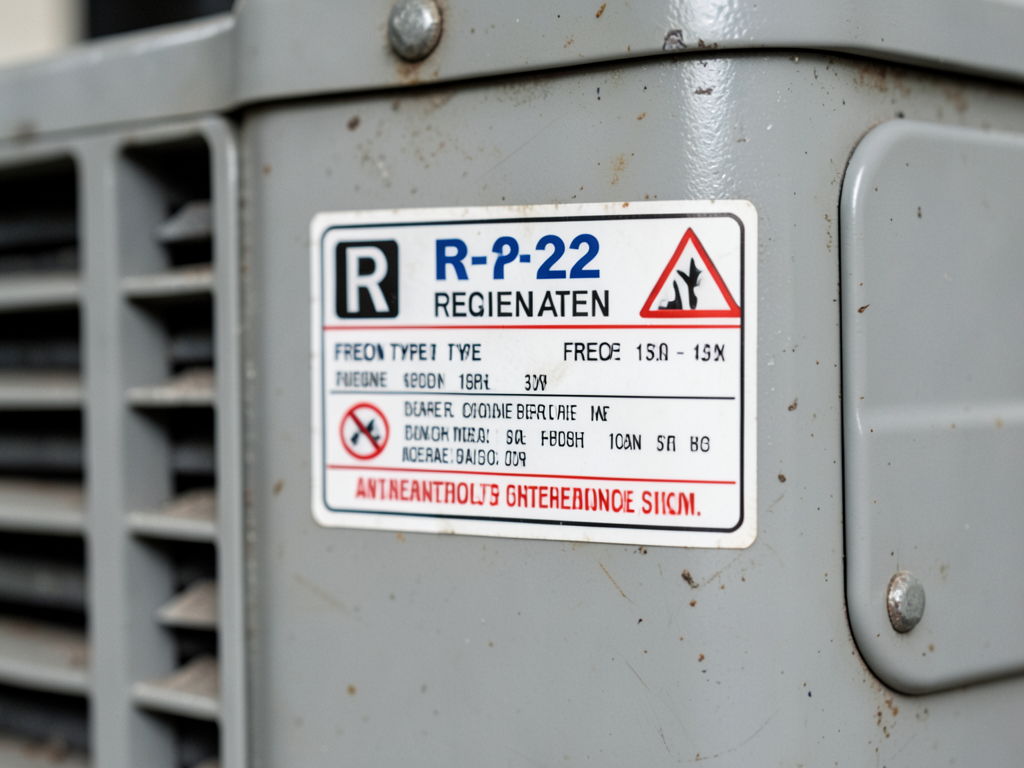
Check your installation paperwork first. The warranty start date is typically the installation date, not the purchase date. Locate the model and serial number on your outdoor condenser unit. Contact the manufacturer directly with this information to verify coverage status and expiration. Many manufacturers offer online warranty lookup tools on their websites. If you cannot find paperwork, contact the original installer. In Austin, if you bought a home with existing equipment, ask the seller for warranty documents during closing. Without proof of registration, coverage may be limited or expired.

Is a new HVAC system tax deductible in 2025? +

HVAC systems may qualify for federal tax credits if they meet specific energy efficiency standards. The Inflation Reduction Act extended credits through 2032 for systems with high SEER2 ratings. You can claim up to 30 percent of the cost, with a maximum credit that varies by equipment type. Check IRS guidelines or consult a tax professional for current limits. In Austin, upgrading to a high-efficiency system also reduces electric bills due to long cooling seasons. Standard replacements without efficiency upgrades typically do not qualify. Keep all receipts and manufacturer certification statements for tax filing.

What is the 3 minute rule for AC? +

The 3-minute rule prevents compressor damage by allowing refrigerant pressures to equalize before restarting. After your AC shuts off, wait at least 3 minutes before turning it back on. Modern systems have built-in time delay relays that enforce this rule automatically. In Austin's extreme heat, homeowners sometimes toggle thermostats impatiently, which can trip breakers or damage the compressor. Short cycling caused by thermostat errors or electrical issues also violates this rule and reduces system lifespan. If your system short cycles frequently, call a technician to diagnose the root cause immediately.

What is the best month to buy an HVAC system? +

Fall and early spring offer the best prices on HVAC equipment and installation. Demand drops after summer, so contractors offer discounts to fill schedules. October through April is ideal in Austin, before the brutal heat arrives. Manufacturers also release rebates and promotions during off-peak months. Avoid buying during peak summer when contractors are slammed and prices rise. Planning ahead allows time to research systems, compare quotes, and schedule installation without emergency pressure. If your system is aging, replace it proactively in the off-season rather than waiting for a failure during a July heatwave.

Will insurance pay for a new HVAC system? +

Homeowners insurance rarely covers HVAC replacement due to normal wear and tear. Coverage applies only if the system failed due to a covered peril, such as fire, lightning strike, or vandalism. Gradual deterioration, lack of maintenance, or age-related failure is excluded. In Austin, storm damage from hail or falling trees may qualify for a claim if the outdoor unit is damaged. Review your policy and document any sudden damage with photos. Filing a claim for a marginal situation can raise premiums without reimbursement. Home warranties or manufacturer warranties are better options for mechanical failures.

How Austin's Extended Cooling Season Impacts HVAC Warranty Claims

Austin air conditioners run nearly twice as many hours per year as systems in northern climates, compressing normal wear patterns into shorter timeframes. A compressor rated for 15 years of typical use might reach that cycle count in eight years here. Manufacturers know this but warranty terms don't adjust for regional climate intensity. This creates disputes when components fail earlier than warranty schedules predict but well within expected cycle life for Texas heat. Understanding how to document runtime hours and ambient temperature exposure helps frame warranty claims in ways manufacturers must honor rather than dismiss as premature failure.

All Pro HVAC Austin maintains relationships with manufacturer representatives who handle warranty claims for Central Texas. We speak their technical language and present documentation in formats their systems require. Our service reports reference Austin-specific conditions like sustained 100-degree ambient temperatures and high dewpoint condensation cycles that justify component failures under warranty terms. We know which manufacturers honor climate-related claims and which fight every submission. This local expertise means your warranty claims get approved faster with less back-and-forth, getting your system running again without the multi-week delays that homeowners face when filing claims independently.
HVAC Services in The Austin Area

We are proud to serve the entire area, providing exceptional HVAC services to both residential and commercial clients. Our service area is extensive, ensuring that no matter where you are located, you can count on us for reliable and prompt service. We invite you to view our location on the map and see how conveniently positioned we are to meet all of your heating and cooling needs. We are just a call away.

Address:
All Pro HVAC Austin, 313 E 12th St, Austin, TX, 78701

Additional Services We Offer

Our news updates

Latest Articles & News from The Blogs

Flexible financing options for Austin families needing a new HVAC system today\n\nReplacing your HVAC system in Austin does not have…

Flexible financing options for Austin families needing a new HVAC system today

Flexible financing options for Austin families needing a new HVAC system today\n\nReplacing your HVAC system in Austin does not have…

Finding a certified Trane repair specialist for your Great Hills home

Finding a certified Trane repair specialist for your Great Hills home When your Trane air conditioner stops working in Great…

Why getting a second opinion on your AC compressor replacement could save you thousands

Why getting a second opinion on your AC compressor replacement could save you thousands If your HVAC technician just told…

Contact Us

Don't wait until something breaks to understand your coverage. Call All Pro HVAC Austin at (737) 316-0777 now for a free warranty review. We'll verify your registration status, explain your coverage terms, and ensure you're protected when you need it most.