Menu

Frozen AC Coil Repair in Austin – Emergency Service Within 90 Minutes

All Pro HVAC Austin stops ice buildup fast with 24/7 frozen AC coil repair, restoring your system before compressor damage spreads and repair costs multiply.

Slider Image 1
Slider Image 2
Slider Image 3
Slider Image 4
Slider Image 5
Slider Image 7
Slider Image 8
Slider Image 9
Slider Image 10
Slider Image 11

Why Your AC Coils Are Freezing in Central Texas Heat

You walk past your air handler and see ice coating the evaporator coil. In 100-degree Austin heat, a frozen AC makes no sense, but it happens constantly across Travis County, especially during the brutal summer stretch from June through September.

Austin's extreme heat forces AC systems to run 12 to 16 hours daily. That constant demand magnifies even minor airflow restrictions. A clogged filter, low refrigerant charge, or blocked return vent drops evaporator coil temperature below freezing. Moisture in the humid air condenses on the coil surface and turns to ice within hours.

The freeze cycle compounds fast. Ice blocks airflow, which drops coil temperature further, which creates more ice. Your compressor keeps running against this blockage, overheating internal components while your indoor temperature climbs. Left alone for 24 hours, you risk compressor failure, a repair that runs thousands instead of hundreds.

Homeowners in neighborhoods like Hyde Park and Tarrytown face additional risk from older ductwork with air leaks. Leaky return ducts pull unconditioned attic air across the coil, introducing excess moisture that accelerates icing. Emergency AC freeze up repair starts with identifying whether the problem stems from airflow restriction, refrigerant loss, or duct failure.

You need someone who can fix frozen air conditioner coils immediately, not three days from now when your compressor burns out. AC evaporator coil icing repair in Austin requires fast diagnosis and precise correction before heat damage spreads through the entire refrigeration circuit.

Why Your AC Coils Are Freezing in Central Texas Heat
How We Stop Ice Buildup and Restore Cooling Capacity

How We Stop Ice Buildup and Restore Cooling Capacity

We do not guess at frozen coil problems. Our diagnostic protocol isolates the exact failure point, whether mechanical, airflow, or refrigerant-related.

First, we shut down your system to prevent compressor damage. Forcing a frozen evaporator to operate burns out the compressor motor and damages the reversing valve. We measure suction line temperature and compare it against saturation temperature for your refrigerant type. A suction line below 32 degrees confirms active freeze conditions.

Next, we inspect static pressure across the air handler. High static pressure indicates airflow restriction from a clogged filter, collapsed duct, or blocked return grille. We check your blower wheel for dust accumulation that reduces CFM delivery below the manufacturer's specified range. Most residential systems require 400 CFM per ton of cooling. Anything below that threshold invites coil icing.

If airflow checks normal, we move to refrigerant diagnostics. We attach manifold gauges and compare suction pressure against ambient temperature using a PT chart. Low suction pressure points to undercharge from a refrigerant leak. We use nitrogen pressure testing and electronic leak detection to locate the breach, most commonly at the evaporator coil, service valves, or flare connections.

For iced up air conditioner service, we accelerate coil thaw using controlled heat application, not hammers or scrapers that puncture copper tubing. Once thawed, we correct the root cause, whether that means replacing your filter, sealing duct leaks, repairing the refrigerant leak, or adjusting blower speed. Repair frozen HVAC evaporator work is not complete until we verify proper superheat and subcooling values during a full cooling cycle.

What Happens When You Call for Emergency Coil Repair

Frozen AC Coil Repair in Austin – Emergency Service Within 90 Minutes
01

Immediate System Shutdown

We arrive within 90 minutes and immediately power down your air handler to stop compressor damage. Our technician photographs the ice buildup, checks your thermostat settings, and measures supply air temperature. We explain what we see and outline the diagnostic steps before starting work. You know the plan before we touch a single component.
02

Precision Diagnostics

We run airflow, refrigerant, and electrical tests to isolate the cause. Static pressure readings tell us if your ductwork is choking the system. Manifold gauges reveal refrigerant charge levels and operating pressures. Amp draw measurements on the blower motor and compressor show if electrical issues are forcing the system out of spec. We test, we do not guess.
03

Repair and Verification

Once we identify the failure point, we complete the repair and verify system performance under load. We measure superheat and subcooling after the refrigerant circuit stabilizes. We check supply air temperature at the register. We confirm your system holds setpoint without short cycling. You get documentation of all readings before we leave, and your AC runs cold without ice.

Why Austin Homeowners Call All Pro HVAC for Frozen Coil Emergencies

You need someone who understands how Central Texas heat punishes AC systems. We have repaired thousands of frozen coils across Austin, from East Riverside apartments to Westlake Hills custom homes. We know the ductwork failures common in 1970s ranch homes in Allandale. We know the refrigerant leak patterns in the builder-grade systems installed across Pflugerville and Round Rock subdivisions.

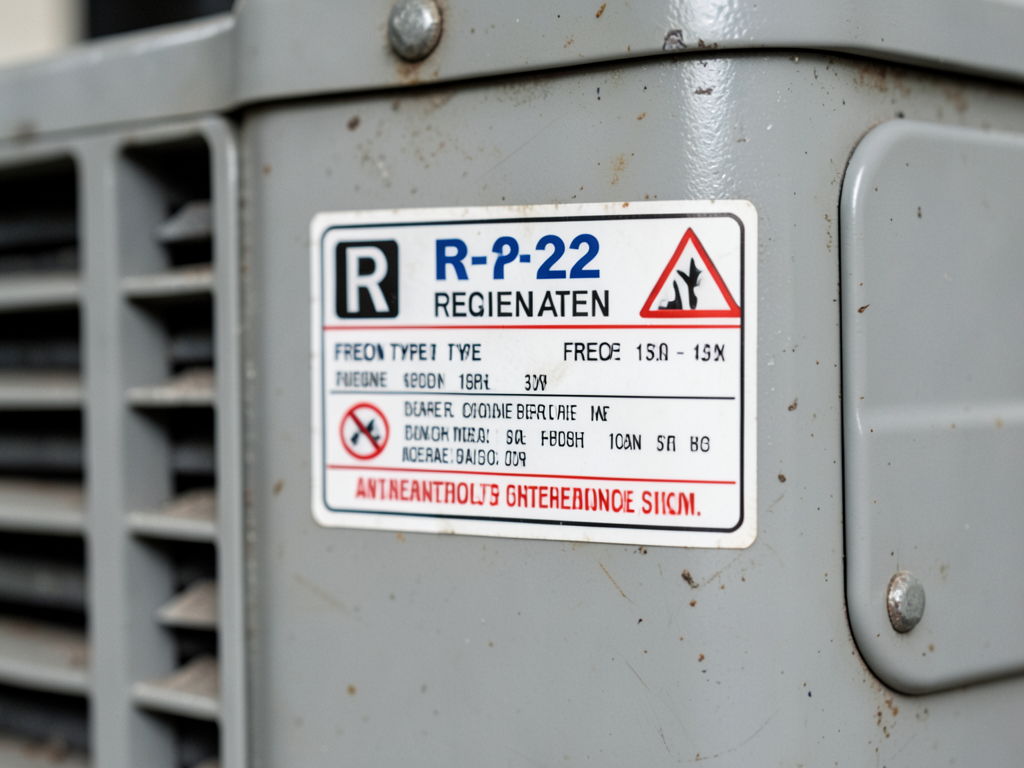
Our technicians carry full refrigerant inventories, not just R-410A. Older Austin homes still run R-22 systems, and we stock the refrigerant and components to repair them correctly. We do not show up unprepared and make you wait three days for a part order.

We also understand Austin building code requirements for refrigerant handling and disposal. Travis County enforces strict EPA regulations on refrigerant recovery. We use certified recovery equipment and document all refrigerant removed from your system. You will not face fines or failed inspections because of sloppy work.

When we repair a refrigerant leak, we follow manufacturer specifications for brazing and pressure testing. We do not use quick-seal additives that clog your expansion valve and create bigger problems six months later. We locate the leak, cut out the damaged section, braze in new copper line, pull a proper vacuum, and charge to specification. That work holds up in Austin heat.

You also get straight answers about whether repair makes sense. If your evaporator coil has multiple leaks and your air handler is 18 years old, we tell you replacement is smarter than sinking money into temporary fixes. We give you options, not sales pressure.

What to Expect During Emergency Frozen Coil Repair

90-Minute Emergency Response

When you call our emergency line, we dispatch a truck immediately. You get a text with your technician's name, photo, and estimated arrival time. We do not put you in a queue for tomorrow or next week. Frozen coils cause compressor damage fast, and we treat every call like the emergency it is. Our trucks carry diagnostic equipment, refrigerant, filters, and common repair parts so we can complete most repairs in one visit.

Complete System Diagnostics

We run a full airflow and refrigerant analysis, not just a visual inspection. You receive a printed diagnostic report showing static pressure readings, refrigerant pressures, temperature splits, and electrical measurements. We explain what each number means and how it relates to your freeze problem. If we find a refrigerant leak, we show you the leak location and explain repair options before starting work. You make informed decisions based on data.

Verified Cooling Performance

We do not leave until your system runs cold without ice buildup. After completing repairs, we monitor a full cooling cycle to verify proper superheat, subcooling, and supply air temperature. We check that your system reaches setpoint and shuts off cleanly without short cycling. You get before and after photos of your evaporator coil, plus documentation of all final operating measurements. Your AC is fixed right, not just temporarily patched.

Parts and Labor Coverage

All repairs include a 12-month labor warranty. If the same component fails within a year due to workmanship issues, we return and fix it at no charge. Parts carry manufacturer warranties that we help you navigate if future issues arise. We also offer maintenance plans that include priority emergency service, annual tune-ups, and discounted repair rates. Regular maintenance catches airflow and refrigerant problems before they turn into frozen coil emergencies.

Frequently Asked Questions

You Have Questions,
We Have Answers

How do you fix a frozen AC coil? +

Turn off your system immediately to prevent compressor damage. Switch your thermostat to OFF, then set the fan to ON to speed up thawing. Remove any blockages like dirty filters or closed vents. Check for airflow restrictions around your supply registers. Once the ice melts completely (typically 2-8 hours), inspect the condensate drain pan for clogs. In Austin's humid climate, drainage issues are common. If the coil refreezes after restart, you likely have a refrigerant leak or a failed blower motor. Call a licensed technician to diagnose the root cause before running the system again.

Should I turn off AC if the coil is frozen? +

Yes, shut it down now. Running an AC with a frozen coil forces your compressor to work against ice blockage, which can burn out the motor and lead to a $1,500+ replacement. Turn the thermostat to OFF immediately. Switch the fan setting to ON to circulate warm air and accelerate thawing. Do not attempt to chip or scrape the ice. Austin's summer heat makes AC failures critical, but running frozen equipment makes the damage exponentially worse. Once thawed, address the underlying issue before restarting to avoid repeat freeze-ups and permanent system damage.

What would cause a coil to freeze up? +

Three main culprits cause frozen coils. First, restricted airflow from a clogged filter, closed vents, or blocked return grilles starves the coil of warm air. Second, low refrigerant from a leak drops coil temperature below freezing. Third, a failing blower motor cannot move enough air across the coil. In Austin, dirty filters clog faster due to high pollen and cedar counts, especially during spring and fall. Running your AC below 60 degrees at night can also freeze coils. A technician needs to diagnose which issue is causing your freeze to prevent recurrence and compressor failure.

Can an air conditioner coil be repaired? +

Most coil damage can be repaired depending on the issue. Minor refrigerant leaks can be sealed and recharged. Bent fins can be straightened with a fin comb. However, severe corrosion or large punctures often require coil replacement. In Austin, coils corrode faster due to high humidity and acid rain from urban pollution. Evaporator coil replacement typically costs $600-$1,200, while condenser coils run $800-$1,500. A qualified technician will pressure-test the coil and assess whether repair is cost-effective or if replacement makes better financial sense given your system's age and condition.

Can I turn my AC back on after it thaws? +

Not immediately. After the ice thaws completely, wait 30 minutes before restarting. First, replace your air filter and confirm all vents are open. Check that the condensate drain is clear and draining properly. Set your thermostat to cool and monitor the system for 15-20 minutes. If frost reappears on the refrigerant lines or coil, shut down immediately. This signals an unresolved issue like a refrigerant leak or airflow problem. In Austin's heat, a refreezing unit needs professional diagnosis within 24 hours to avoid compressor failure and a total system replacement.

What is the 3 minute rule for AC? +

The 3-minute rule prevents compressor damage during frequent cycling. After your AC shuts off, wait at least 3 minutes before restarting. This allows refrigerant pressure to equalize between the high and low sides of the system. Starting too soon forces the compressor to work against unbalanced pressure, which can overheat and fail the motor. In Austin's extreme heat, homeowners often panic and restart systems too quickly after a freeze or power outage. Always wait the full 3 minutes. Modern thermostats have built-in delay timers, but manual restarts bypass this protection.

What is the $5000 rule for AC? +

The $5,000 rule is an HVAC replacement guideline, not an AC-specific freeze issue. It states that if the repair cost multiplied by the system's age in years exceeds $5,000, replacement is smarter than repair. For example, a $500 repair on a 12-year-old unit equals $6,000, suggesting replacement. A frozen coil repair itself rarely hits this threshold, but if your unit is over 10 years old and needs a compressor or full coil replacement, the math often favors a new high-efficiency system, especially in Austin where cooling loads are brutal year-round.

How long do AC coils take to unfreeze? +

Thawing takes 2 to 8 hours depending on ice buildup severity. A light frost may clear in 2 hours. Heavy ice accumulation on both the evaporator coil and refrigerant lines can take 6-8 hours. To speed the process, turn off the AC but run the fan on continuous mode. Do not use heat guns, hair dryers, or tools to chip ice as you will damage delicate coil fins. Austin's ambient heat helps, but never run the system until ice is completely gone and you have addressed the root cause or you risk immediate refreezing and compressor damage.

Will my AC work again after it unfreezes? +

Maybe, but not for long if the root problem is not fixed. If the freeze was caused by a dirty filter or closed vents, your AC will work fine after correcting airflow. If the issue is a refrigerant leak, failed blower motor, or clogged drain line, the coil will refreeze within hours or days. Austin's cooling demands mean you cannot afford repeat failures. Once thawed, monitor the system closely for 24 hours. If you see frost returning on the refrigerant lines or reduced airflow, shut down and call a technician immediately to avoid catastrophic compressor failure.

What to do if an outside AC unit freezes up? +

Turn off the system immediately at the thermostat. Ice on the outdoor condenser coil indicates severe refrigerant flow issues or reversed refrigerant migration. Check that your indoor air filter is clean and all vents are open. Remove any debris blocking the outdoor unit like grass clippings or leaves. In Austin, cottonwood seeds and oak pollen can choke condenser fins. Let the unit thaw completely, then restart. If ice reappears outdoors, you have a refrigerant leak or a malfunctioning reversing valve. This requires immediate professional repair to prevent compressor burnout and total system failure.

How Austin's Humidity and Dust Load Accelerate Coil Freeze Problems

Austin sits at the edge of the Balcones Escarpment, where Hill Country limestone meets Blackland Prairie clay. That transition zone creates high summer humidity, often 70 to 80 percent even during peak heat. Your evaporator coil removes moisture from indoor air as part of the cooling process. High outdoor humidity means your AC pulls more water from the air, increasing condensation on the coil surface. If airflow drops even slightly due to a dirty filter or blocked return, that condensation freezes instead of draining away. Add Central Texas cedar pollen, construction dust from constant development, and oak tree debris, and filters clog faster here than in drier climates. Emergency AC freeze up repair calls spike in Austin every May when cedar pollen counts explode and homeowners forget to change filters after months of mild spring weather.

All Pro HVAC Austin has served Travis County since our doors opened, repairing systems in every neighborhood from Mueller to Manchaca. We know the duct design mistakes common in Austin's 1980s tract homes. We know the airflow problems created by attic insulation upgrades that block soffit vents. We work with local building inspectors who recognize our name and trust our refrigerant handling procedures. When you hire a company that operates exclusively in the Austin metro, you get technicians who have seen your exact problem in hundreds of similar homes. That local knowledge means faster diagnosis and repairs that account for the specific conditions your system faces every summer.
HVAC Services in The Austin Area

We are proud to serve the entire area, providing exceptional HVAC services to both residential and commercial clients. Our service area is extensive, ensuring that no matter where you are located, you can count on us for reliable and prompt service. We invite you to view our location on the map and see how conveniently positioned we are to meet all of your heating and cooling needs. We are just a call away.

Address:
All Pro HVAC Austin, 313 E 12th St, Austin, TX, 78701

Additional Services We Offer

Our news updates

Latest Articles & News from The Blogs

Flexible financing options for Austin families needing a new HVAC system today\n\nReplacing your HVAC system in Austin does not have…

Flexible financing options for Austin families needing a new HVAC system today

Flexible financing options for Austin families needing a new HVAC system today\n\nReplacing your HVAC system in Austin does not have…

Finding a certified Trane repair specialist for your Great Hills home

Finding a certified Trane repair specialist for your Great Hills home When your Trane air conditioner stops working in Great…

Why getting a second opinion on your AC compressor replacement could save you thousands

Why getting a second opinion on your AC compressor replacement could save you thousands If your HVAC technician just told…

Contact Us

Ice on your evaporator coil will destroy your compressor if you wait. Call All Pro HVAC Austin now at (737) 316-0777 for emergency frozen coil repair. We dispatch immediately and fix it right the first time.