Menu

Commercial Maintenance Agreements in Austin – Eliminate Downtime and Control Operating Costs with Scheduled HVAC Service

Protect your facility's climate control investment with commercial HVAC maintenance plans that prevent emergency breakdowns, extend equipment life, and lock in predictable service costs for Austin businesses.

Slider Image 1
Slider Image 2
Slider Image 3
Slider Image 4
Slider Image 5
Slider Image 7
Slider Image 8
Slider Image 9
Slider Image 10
Slider Image 11

Why Austin Commercial Facilities Cannot Afford Reactive HVAC Service

Austin's extreme summer heat places extraordinary demand on commercial HVAC systems. When temperatures exceed 100 degrees for consecutive weeks, equipment runs continuously with minimal downtime. This operating environment accelerates wear on compressors, fan motors, and refrigerant lines.

Commercial facilities without commercial HVAC service contracts face predictable consequences. Condensate drains clog with algae growth promoted by high humidity. Evaporator coils accumulate dust and restrict airflow. Refrigerant levels drop through microscopic leaks that worsen under thermal expansion cycles.

The financial impact extends beyond repair costs. A failed rooftop unit in a retail location drives customers away. A malfunctioning office HVAC system reduces employee productivity. A restaurant kitchen without functioning climate control violates health codes and forces closure.

Reactive service costs more than preventive maintenance. Emergency calls during peak demand periods command premium rates. Expedited parts shipping adds expense. Business interruption losses compound the direct repair costs.

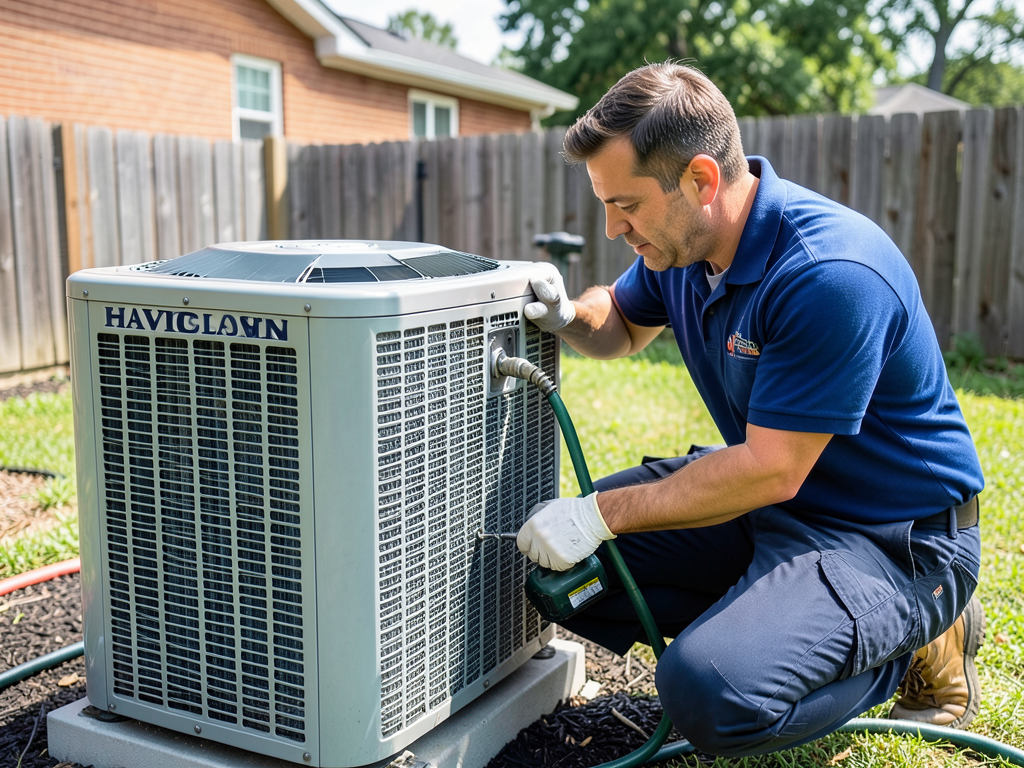
Commercial planned maintenance agreements address these vulnerabilities through scheduled service. Technicians identify refrigerant leaks before systems fail. They clean coils before airflow restriction causes compressor damage. They verify electrical connections before thermal cycling creates failure points.

Austin's commercial real estate market demands operational reliability. Tenants expect functioning climate control year-round. Property managers need predictable maintenance budgets. Building owners require systems that deliver expected service life without premature replacement.

HVAC preventive maintenance agreements provide this operational certainty. They shift facilities from crisis management to planned maintenance. They reduce total ownership costs while extending equipment life.

Why Austin Commercial Facilities Cannot Afford Reactive HVAC Service
What Effective Commercial HVAC Service Agreements Include

What Effective Commercial HVAC Service Agreements Include

Commercial HVAC maintenance plans require specific service protocols that address Austin's operating environment. These agreements differ fundamentally from residential service contracts.

Refrigerant circuit analysis forms the foundation of commercial maintenance. Technicians measure superheat and subcooling values to verify proper charge. They inspect Schrader cores for leaks. They check liquid line filter driers for restriction. They verify sight glass indicators show clear refrigerant without bubbles or discoloration.

Electrical system evaluation prevents the most common failure mode in commercial equipment. Technicians measure voltage and amperage at compressor terminals under load. They torque electrical connections to manufacturer specifications. They verify contactor surfaces show minimal pitting. They test capacitors for microfarad values within tolerance range.

Airflow verification ensures systems deliver design capacity. Technicians measure static pressure across coils and filters. They verify belt tension on belt-driven blowers. They check economizer dampers for proper modulation. They clean or replace filters based on pressure drop measurements, not arbitrary schedules.

Control system diagnostics identify problems before they cause equipment damage. Technicians verify thermostat calibration matches actual space temperature. They test safety switches for proper operation. They confirm staged equipment cycles correctly based on demand.

Commercial HVAC service agreements should specify service frequency based on equipment type and runtime. Rooftop units require quarterly service in Austin's climate. Split systems with lower runtime may need semi-annual service. Critical facilities like data centers or medical offices require monthly inspection protocols.

Documentation separates professional service from basic maintenance. Each visit should produce a detailed report with measured values, identified deficiencies, and recommended corrections. These records prove compliance for property transactions and insurance requirements.

How We Structure Commercial Service Agreements for Austin Facilities

Commercial Maintenance Agreements in Austin – Eliminate Downtime and Control Operating Costs with Scheduled HVAC Service
01

System Assessment and Agreement Design

We audit your existing HVAC infrastructure to document equipment age, condition, and service history. This assessment identifies immediate deficiencies requiring correction and determines appropriate service intervals. We then structure a commercial HVAC service contract with specific tasks, frequencies, and performance metrics that match your facility's operational requirements and budget constraints.
02

Scheduled Service Execution

Our technicians arrive at predetermined intervals to execute protocol-based maintenance tasks. Each visit follows manufacturer specifications and industry standards for commercial equipment. We measure and record system performance data, perform necessary adjustments, and identify developing problems. Service occurs during your specified hours to minimize business disruption. You receive detailed reports documenting all work performed and system conditions.
03

Performance Tracking and Plan Adjustment

We analyze service data across multiple visits to identify performance trends and recurring issues. This analysis reveals whether equipment operates within expected parameters or shows degradation requiring intervention. We adjust service protocols based on actual conditions rather than generic schedules. Your agreement evolves with your equipment, providing appropriate care as systems age and operating conditions change.

Why Austin Commercial Property Managers Choose All Pro HVAC Austin

Commercial facilities require service providers who understand business operations, not just technical repair. We recognize that your HVAC system exists to support your business function, not as an end in itself.

Our technicians carry commercial refrigeration licenses and factory training for major equipment brands common in Austin commercial installations. They understand three-phase power systems, building automation protocols, and commercial control sequences. They can service packaged rooftop units, split systems, VRF equipment, and chilled water systems.

We maintain adequate staffing to honor service commitments during peak demand periods. Other contractors defer scheduled maintenance when emergency calls spike during heat waves. This practice defeats the purpose of preventive agreements. We protect agreement holders with priority scheduling and dedicated service capacity.

Our service vehicles stock commercial-grade components for common repairs. When maintenance inspection reveals a failing contactor or capacitor, we replace it immediately rather than scheduling a return visit. This approach minimizes your administrative burden and prevents minor issues from causing system failure.

We understand Austin's commercial building codes and energy benchmarking requirements. Our maintenance documentation supports Austin Energy commercial rebate applications and provides compliance records for property transactions. We can coordinate with third-party commissioning agents when required for LEED certification or performance verification.

All Pro HVAC Austin operates as a local business with direct accountability to the Austin commercial property community. We do not disappear when service issues arise. Our technicians work in this market daily and maintain relationships with property management firms, facility directors, and building engineers throughout the metro area.

We structure agreements around your operational needs rather than forcing you into standardized packages. Single-building offices require different service protocols than multi-tenant retail centers or medical office complexes.

What Your Commercial Maintenance Agreement Provides

Service Response and Scheduling Flexibility

Agreement holders receive priority scheduling for both planned maintenance and unscheduled service calls. We coordinate service visits around your business hours and operational requirements. Retail locations receive after-hours or early morning service to avoid customer disruption. Office buildings get maintenance during low-occupancy periods. Restaurants receive service during closed hours. If emergency service becomes necessary despite preventive maintenance, agreement holders get expedited response ahead of non-contract customers. Your dedicated service coordinator schedules all appointments and confirms arrival times.

Comprehensive System Inspection and Testing

Each scheduled service visit includes protocol-based inspection of all system components. Technicians measure refrigerant pressures and temperatures, verify electrical values under load, test safety controls, inspect condensate drainage, evaluate airflow performance, and document system operating conditions. We compare current readings against baseline values and previous service data to identify performance degradation. This diagnostic approach catches developing problems before they cause equipment failure or efficiency loss. You receive detailed service reports with measured data, identified deficiencies, and recommended corrections with cost estimates for approval.

Performance Documentation and Compliance Records

We maintain complete service records for your facility in digital format accessible through our client portal. These records document maintenance history, equipment conditions, and system performance trends. Documentation supports property sale due diligence, insurance requirements, tenant lease obligations, and Austin Energy commercial building benchmarking compliance. Our reports provide evidence of proper equipment care that protects manufacturer warranty coverage and demonstrates responsible facility management. We can produce service summaries for specific time periods or generate equipment-specific maintenance histories on request for portfolio reporting requirements.

Discounted Repair Labor and Parts Priority

Commercial HVAC service agreements include discounted labor rates on repairs required outside scheduled maintenance visits. Agreement holders receive reduced hourly rates compared to standard service call pricing. You also receive priority parts ordering when components require replacement. We stock common commercial parts and can expedite special orders through distributor relationships developed over years serving Austin's commercial market. This priority access reduces downtime when repairs become necessary. Agreement pricing remains fixed for the contract term regardless of market rate increases, providing budget predictability for multi-year facility planning.

Frequently Asked Questions

You Have Questions,
We Have Answers

What should be included in a maintenance agreement? +

A commercial maintenance agreement should include scheduled inspections, filter changes, coil cleaning, refrigerant level checks, and electrical connection testing. For Austin facilities, prioritize condensate drain maintenance due to high humidity and ensure outdoor unit cleaning to remove pollen and cedar debris. The agreement must specify response times for breakdowns, covered equipment, labor and parts inclusions, and frequency of visits. Commercial properties also need documentation for code compliance and liability protection. Clarify exclusions upfront, such as refrigerant leaks or compressor failures. A clear scope prevents disputes and keeps your equipment running efficiently during peak cooling months.

What is the difference between AMC and CAMC? +

AMC stands for Annual Maintenance Contract, covering routine preventive maintenance like filter changes and inspections. CAMC is a Comprehensive Annual Maintenance Contract, which includes both preventive maintenance and repair coverage for parts and labor. For Austin commercial properties, a CAMC reduces downtime risk during summer heat when HVAC failures impact business operations. AMC costs less but leaves you paying out-of-pocket for repairs. CAMC offers predictable budgeting and faster response times. Choose based on equipment age, business continuity needs, and whether you can absorb unexpected repair expenses without disrupting operations.

What is a standard maintenance agreement? +

A standard maintenance agreement provides scheduled preventive service visits, typically quarterly for commercial HVAC systems. It includes filter replacement, belt adjustments, lubrication, thermostat calibration, and safety control testing. In Austin, standard agreements address seasonal demands like pre-summer system checks before July and August peak loads. The contract specifies covered equipment, visit frequency, and basic labor inclusions. It does not cover parts, major repairs, or emergency calls outside scheduled visits. Standard agreements minimize equipment failures and extend lifespan but require separate payment for breakdowns. They suit businesses with newer equipment and lower failure risk.

What are the different types of maintenance contracts? +

Commercial maintenance contracts include preventive maintenance only, comprehensive coverage with parts and labor, full-service agreements covering all repairs, and performance-based contracts tied to uptime guarantees. Austin businesses also use seasonal contracts for peak cooling months or tiered agreements where coverage expands based on equipment age. Preventive-only contracts cost less but shift repair risk to you. Comprehensive agreements offer predictable expenses and faster response. Performance contracts work for facilities where downtime directly impacts revenue. Choose based on equipment age, budget predictability needs, and tolerance for operational disruption during failures.

What is the 80 20 rule in maintenance? +

The 80 20 rule in maintenance states that 80 percent of equipment failures come from 20 percent of components. For commercial HVAC in Austin, this means prioritizing high-wear items like compressors, condenser coils exposed to cedar pollen, and blower motors running extended hours during summer. Focus maintenance resources on these critical components rather than spreading effort equally across all parts. This approach reduces costly breakdowns and improves return on maintenance investment. A targeted maintenance agreement addressing your highest-risk equipment delivers better uptime than generic service plans that treat all components equally.

What are the 4 P's of maintenance? +

The 4 Ps of maintenance are Preservation, Prediction, Prevention, and Problem Solving. Preservation extends equipment life through proper care. Prediction uses data and inspections to forecast failures before they occur. Prevention includes scheduled tasks like filter changes and lubrication to avoid breakdowns. Problem Solving addresses root causes rather than symptoms. For Austin commercial properties, prediction matters during summer when unexpected HVAC failures disrupt business. A maintenance agreement incorporating all four Ps reduces emergency repairs, lowers total ownership costs, and keeps systems running during peak demand when replacement parts and technicians are scarce.

How to price a maintenance contract? +

Price a maintenance contract by calculating labor hours per visit, visit frequency, travel time, parts costs, overhead, and profit margin. For Austin commercial properties, factor in seasonal demand spikes and equipment accessibility. A rooftop unit requires more labor than ground-level equipment. Calculate annual hours needed, multiply by your loaded labor rate, add estimated parts and overhead, then add profit margin. Comprehensive contracts with repair coverage need higher pricing to account for risk. Adjust pricing based on equipment age, operating hours, and client payment history. Transparent pricing builds trust and prevents scope disputes.

What are the two types of AMC? +

The two types of AMC are Non-Comprehensive and Comprehensive. Non-Comprehensive AMC covers preventive maintenance visits, including inspections, cleaning, and adjustments, but excludes parts and major repairs. You pay separately for breakdowns. Comprehensive AMC includes preventive maintenance plus parts and labor for repairs during the contract period. For Austin commercial facilities, Comprehensive AMC reduces financial risk during summer when HVAC failures are costly and disruptive. Non-Comprehensive AMC suits newer equipment with lower failure probability. Choose based on equipment condition, budget predictability needs, and whether your business can absorb unexpected repair expenses without operational impact.

What does an annual maintenance contract include? +

An annual maintenance contract includes scheduled preventive service visits, typically quarterly for commercial HVAC systems. Expect filter changes, refrigerant level checks, electrical connection inspection, belt adjustment, condenser and evaporator coil cleaning, and thermostat calibration. Austin-specific tasks include condensate drain flushing due to high humidity and outdoor unit cleaning to remove cedar pollen buildup. The contract specifies covered equipment, number of visits, response time for service calls, and labor inclusions. Most exclude major component replacements like compressors or motors. Documentation of completed work supports warranty compliance and helps track equipment performance trends.

What are the 7 types of maintenance? +

The seven types of maintenance are Reactive, Preventive, Predictive, Condition-Based, Predetermined, Corrective, and Reliability-Centered. Reactive addresses failures after they occur. Preventive follows a fixed schedule regardless of condition. Predictive uses data and monitoring to forecast failures. Condition-Based triggers maintenance when specific thresholds are met. Predetermined maintenance follows manufacturer guidelines. Corrective fixes root causes to prevent recurrence. Reliability-Centered focuses resources on mission-critical equipment. Austin commercial properties benefit most from combining Preventive and Predictive approaches. This hybrid strategy prevents summer breakdowns while avoiding unnecessary service on equipment still performing well.

How Austin's Commercial Growth and Climate Demands Require Proactive HVAC Agreements

Austin's commercial construction boom has added millions of square feet of office, retail, and mixed-use space across the metro area. This growth concentrates in districts like The Domain, Downtown, East Austin, and the I-35 corridor where property values demand maximum uptime. Commercial HVAC equipment in these facilities operates under extreme stress during summer months when outdoor temperatures exceed 100 degrees and indoor cooling loads remain constant. HVAC preventive maintenance agreements protect these significant real estate investments by ensuring systems deliver reliable performance through Austin's demanding climate cycles.

Austin's commercial property market includes sophisticated buyers and tenants who evaluate building operating costs and system reliability during lease negotiations and acquisitions. Properties with documented commercial HVAC maintenance plans demonstrate professional management and command premium rents. Buildings without service contracts show deferred maintenance that reduces property values and increases buyer risk. Local commercial real estate brokers and property management firms recognize that comprehensive service agreements improve tenant retention and support higher occupancy rates by preventing the climate control failures that drive tenant complaints and lease non-renewals.
HVAC Services in The Austin Area

We are proud to serve the entire area, providing exceptional HVAC services to both residential and commercial clients. Our service area is extensive, ensuring that no matter where you are located, you can count on us for reliable and prompt service. We invite you to view our location on the map and see how conveniently positioned we are to meet all of your heating and cooling needs. We are just a call away.

Address:
All Pro HVAC Austin, 313 E 12th St, Austin, TX, 78701

Additional Services We Offer

Our news updates

Latest Articles & News from The Blogs

Flexible financing options for Austin families needing a new HVAC system today\n\nReplacing your HVAC system in Austin does not have…

Flexible financing options for Austin families needing a new HVAC system today

Flexible financing options for Austin families needing a new HVAC system today\n\nReplacing your HVAC system in Austin does not have…

Finding a certified Trane repair specialist for your Great Hills home

Finding a certified Trane repair specialist for your Great Hills home When your Trane air conditioner stops working in Great…

Why getting a second opinion on your AC compressor replacement could save you thousands

Why getting a second opinion on your AC compressor replacement could save you thousands If your HVAC technician just told…

Contact Us

Stop paying emergency rates for preventable failures. Call All Pro HVAC Austin at (737) 316-0777 to discuss a commercial maintenance plan structured for your facility's equipment and operating requirements. We provide transparent pricing and measurable service protocols.